


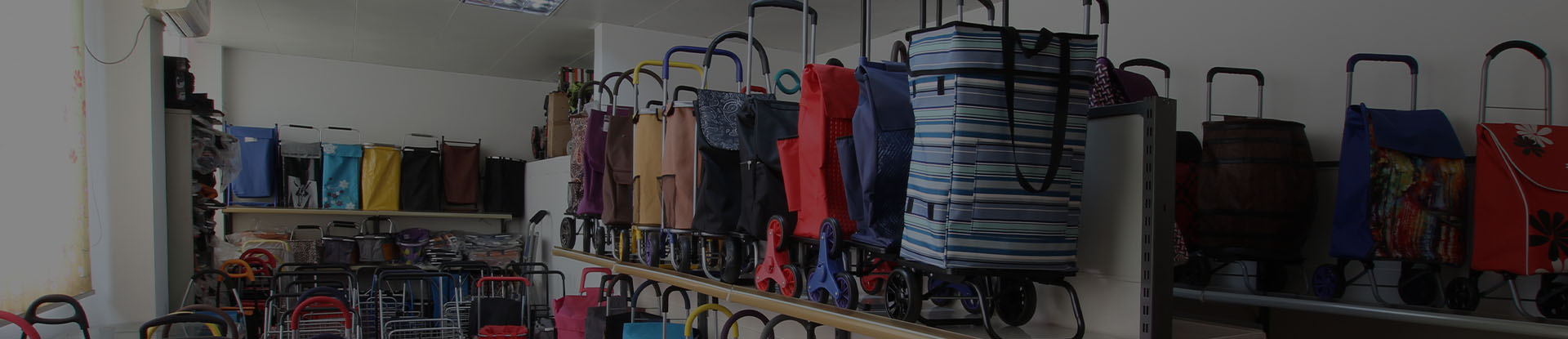
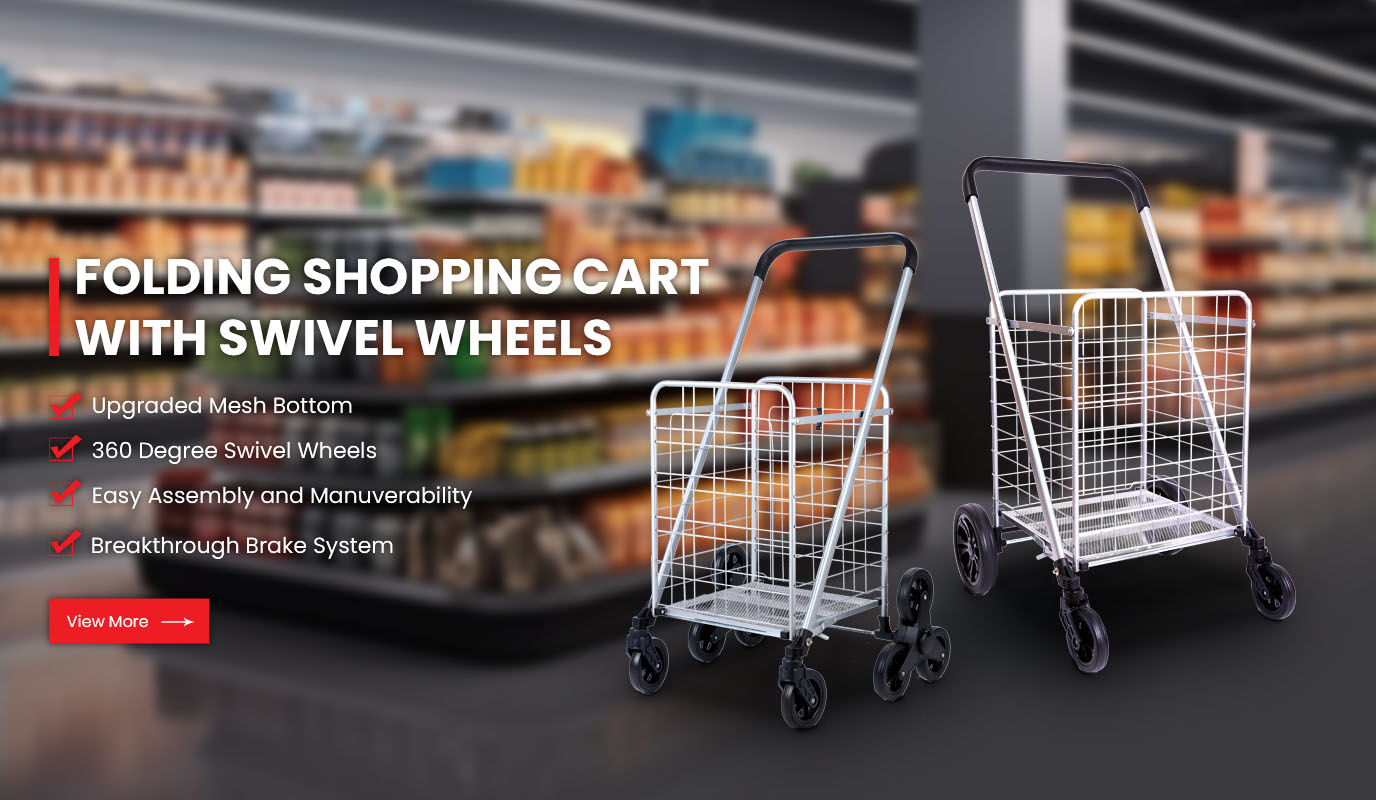
A durable shopping cart should stay stable, easy to push, and safe to use after long periods of daily retail operation. For supermarkets, grocery stores, and retail projects, durability is not decided by one part only. It comes from material selection, frame structure, welding quality, wheel performance, surface treatment, packing protection, and consistent production control.
-
2026-07-29
-
2026-07-28Choosing a suitable shopping cart size for grocery stores depends on store area, aisle width, product category, customer flow, and storage space near the entrance. A cart that is too large may affect movement in narrow aisles, while a cart that is too small may limit purchase volume and reduce shopping convenience.
-
2026-07-27The best shopping cart material for retail stores depends on load capacity, store environment, maintenance cost, appearance, and export requirements. A cart used in a supermarket, warehouse store, convenience store, or outdoor retail area may need different material combinations to balance strength, weight, corrosion resistance, and long-term stability.
-
2026-07-24Shopping cart and shopping trolley often refer to similar retail equipment, but the wording, structure, and market preference may differ by region and application.
-
2026-07-23Smart warehouses integrate trolley systems by connecting manual handling tools with storage layout, picking routes, replenishment tasks, packing areas, and inventory flow. Although automation is growing quickly, trolleys still play an important role in flexible movement, short-distance transfer, and daily warehouse support.
-
2026-07-22Modern warehouse trolley design is no longer limited to a simple frame with wheels. Warehouses, retail storage areas, supermarket backrooms, and packing zones now need trolleys that improve movement efficiency, reduce handling pressure, protect goods, and support flexible space planning.
-
2026-07-21Modular trolley designs support flexible operations by making one trolley structure easier to adapt for different retail, storage, transport, and outdoor scenarios. Instead of using a fixed single-purpose design, modular thinking allows the frame, wheels, bag, handle, seat, basket, and accessories to be adjusted according to real project needs.
-
2026-07-21Manual and electric trolleys serve different retail and logistics needs. For supermarkets, retail stores, warehouses, and daily transport tasks, the right choice depends on load capacity, moving distance, floor condition, labor intensity, maintenance cost, and export compliance.
-
2026-07-20A better shopping trolley can improve customer movement, product loading, store image, and checkout efficiency. In daily retail use, shoppers notice whether a trolley rolls smoothly, turns easily, stays stable, and feels clean.
-
2026-07-16Planning shopping cart quantities for a new supermarket should be based on store size, aisle width, customer flow, parking space, and checkout layout. Ordering too few carts may affect shopping experience during peak hours, while ordering too many carts may increase storage pressure and unnecessary investment.
-
2026-07-15Sourcing shopping carts directly from a manufacturer helps improve cost control, customization accuracy, quality tracking, and repeat order stability. For supermarket and retail projects, the goal is not only to find a low unit price, but to confirm whether the factory can support product development, bulk production, inspection, packing, and export delivery.
-
2026-07-14Shopping cart damage in daily retail use usually comes from overloaded baskets, rough handling, poor wheel movement, weak welding points, coating scratches, and improper storage. For supermarkets and retail stores, reducing damage starts before the order is placed.