


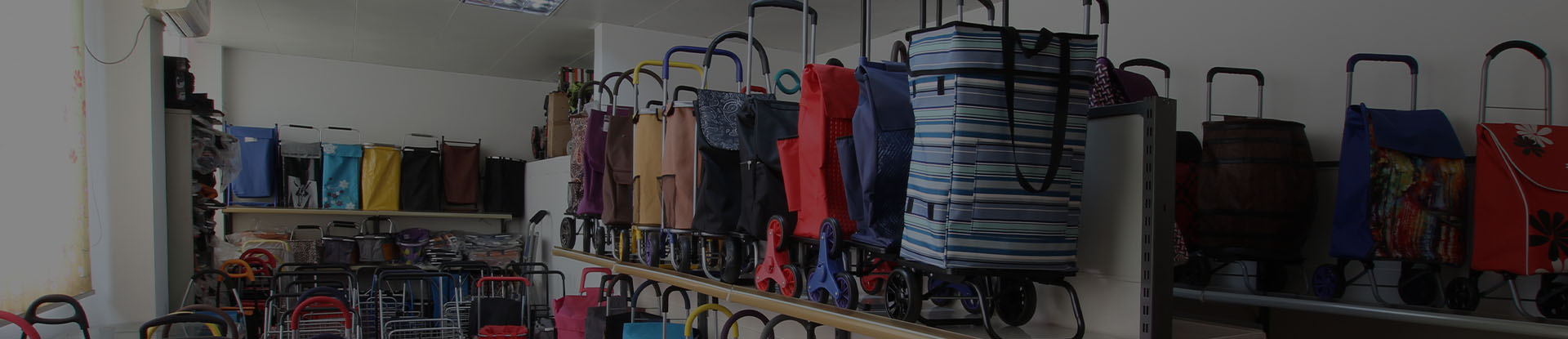
Smart warehouses integrate trolley systems by connecting manual handling tools with storage layout, picking routes, replenishment tasks, packing areas, and inventory flow. Although automation is growing quickly, trolleys still play an important role in flexible movement, short-distance transfer, and daily warehouse support.
-
2026-07-23
-
2026-07-22Modern warehouse trolley design is no longer limited to a simple frame with wheels. Warehouses, retail storage areas, supermarket backrooms, and packing zones now need trolleys that improve movement efficiency, reduce handling pressure, protect goods, and support flexible space planning.
-
2026-06-30Production lead time for warehouse trolleys is a key factor in supply chain planning, especially for export projects and large scale distribution systems. In industrial manufacturing practice, lead time is influenced by product complexity, tooling readiness, raw material availability, order volume, and surface treatment requirements.
-
2026-06-30Minimum order quantity is an important factor in warehouse trolley procurement because it directly affects tooling cost distribution, production efficiency, and customization feasibility. In industrial manufacturing practice, MOQ levels are influenced by material type, structure complexity, wheel configuration, and surface finishing requirements.
-
2026-06-30Wheel selection is one of the most important factors in warehouse trolley performance. It directly affects load stability, noise level, floor protection, and long term durability. In industrial material handling design, wheel resistance can account for up to 50 percent of total pushing force depending on surface conditions and load weight, according to logistics ergonomics research used in warehouse planning systems.
-
2026-06-30Warehouse trolleys are essential handling tools in logistics, retail storage, and industrial distribution systems. Material selection directly affects load capacity, corrosion resistance, cost efficiency, and service life. In material engineering references commonly used in industrial design, steel density is around 7.85 g/cm³ while aluminum is approximately 2.70 g/cm³, which creates significant performance differences in real warehouse environments.
-
2026-06-26A standard trolley is usually based on existing factory sizes, load capacity, wheel options and packing methods. It is suitable for regular warehouse movement, retail storage, laundry handling and simple logistics tasks.
-
2026-06-25Choosing OEM warehouse trolley or ODM warehouse trolley production depends on your project stage. OEM is suitable when buyers already have drawings, dimensions, logo requirements and technical details. ODM is better when buyers need factory support to develop a practical trolley structure based on warehouse use.
-
2026-06-24A warehouse trolley can be customized according to load weight, aisle width, floor condition, product size and handling frequency. OSHA guidance notes that heavy loads, awkward posture and repetitive handling can increase workplace injury risks, so trolley design should support safer and smoother movement.
-
2026-06-23A reliable warehouse trolley supplier should be evaluated by production control, not only price. OSHA guidance notes that heavy loads, awkward posture and repetitive handling can increase workplace injury risks, so trolley quality directly affects daily warehouse safety.
-
2026-06-22Sourcing a warehouse trolley should begin with daily use conditions, not only product size or unit price. OSHA guidance notes that heavy loads, awkward posture and repetitive material handling can increase workplace injury risks, so trolley selection should support safer and smoother movement.
-
2026-06-19A warehouse trolley can improve handling efficiency, but safety standards must be maintained through correct use, regular inspection and suitable product design. OSHA guidance notes that heavy loads, awkward posture and repetitive material handling can increase workplace injury risks.