


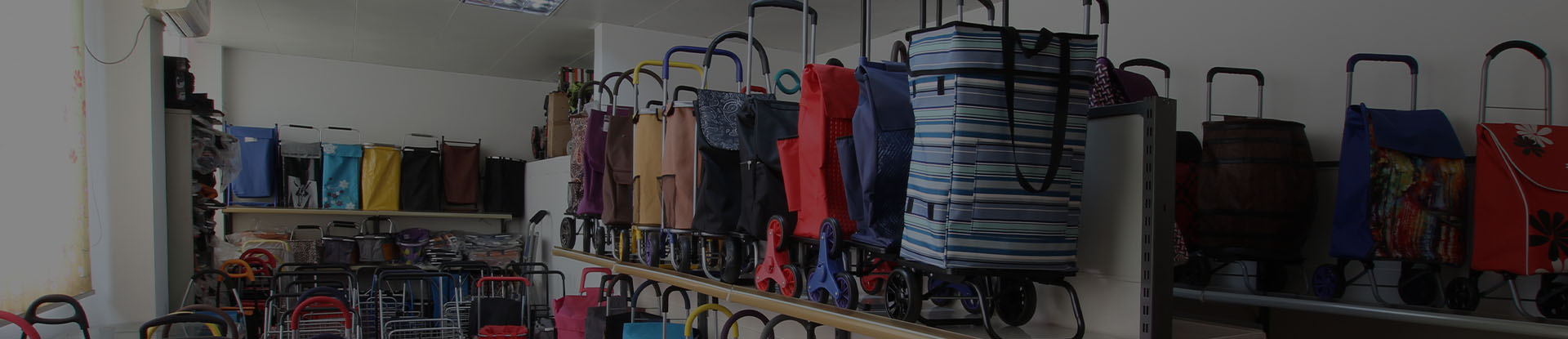
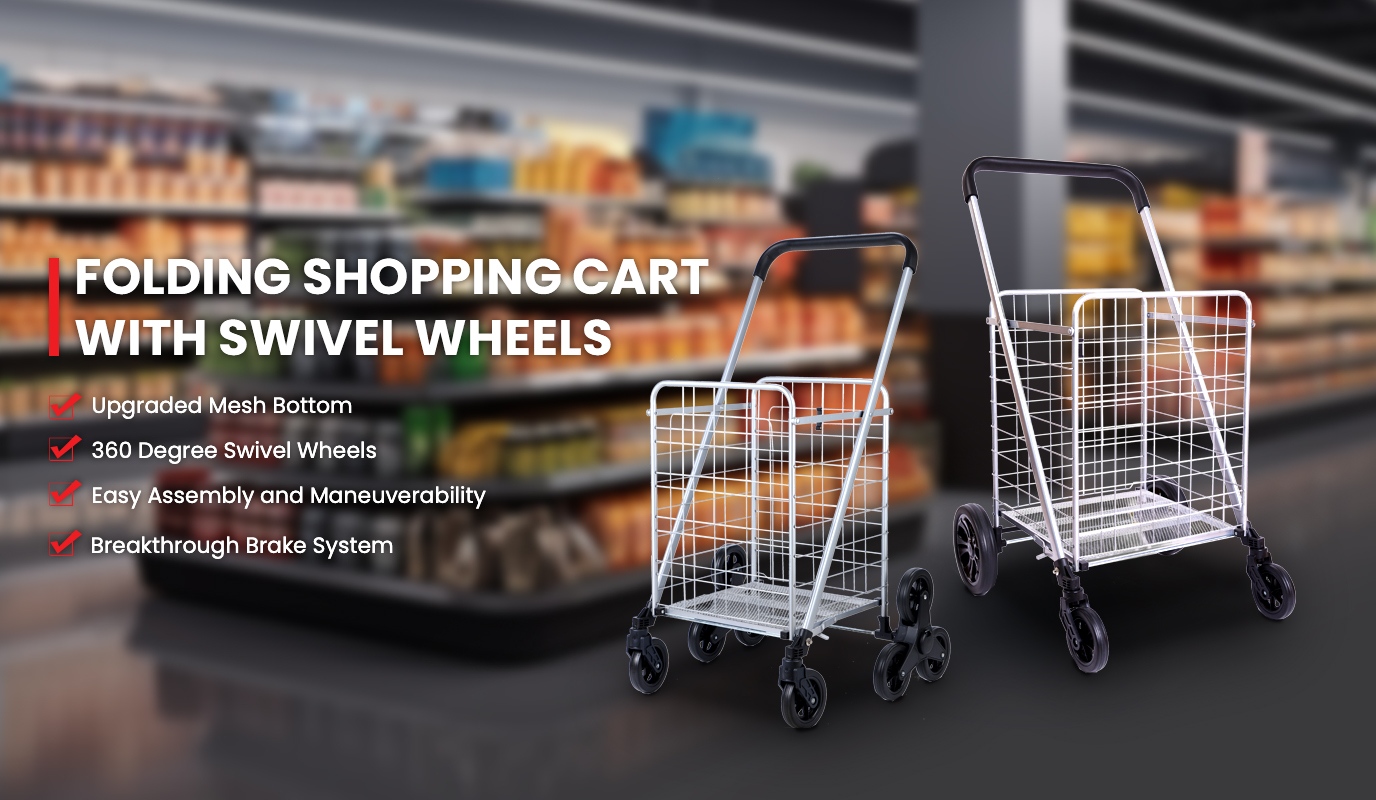
What Is The Difference Between Standard And Customized Trolleys
Standard Trolleys Fit Common Use
A standard trolley is usually based on existing factory sizes, load capacity, wheel options and packing methods. It is suitable for regular warehouse movement, retail storage, laundry handling and simple logistics tasks.
For buyers with tight schedules, standard models can reduce sampling time and support faster bulk supply. OSHA guidance notes that safer material handling can help reduce risks linked to heavy loads, awkward posture and repetitive movement, so even standard trolley selection should match real working conditions.
Customized Trolleys Fit Specific Workflows
A customized trolley is developed around project needs such as aisle width, load weight, basket depth, handle height, wheel material, brake option, color, logo and export packing.
| Item | Standard Trolley | Customized Trolley |
|---|---|---|
| Size | Existing model | Adjusted to project needs |
| Cost | Usually lower | Depends on design |
| Lead Time | Faster | Needs sample approval |
| Function | General use | Workflow-specific |
| Branding | Limited | Logo and color support |
Manufacturer Vs Trader
A manufacturer controls tube cutting, bending, welding, powder coating, wheel assembly, load testing and packing. This helps manage both standard and customized orders with better quality consistency.
A trader may offer many models, but production often depends on outside factories. For customization, this can increase risks in sample revision, technical communication and batch stability.
WOCHANG has more than 20 years of manufacturing experience in Shopping Carts, warehouse trolleys, Laundry Carts and material handling products. With BSCI and SCAN certification, we support export-oriented production management.
OEM / ODM Process
A practical OEM / ODM process should confirm drawings, load capacity, frame size, basket depth, handle height, wheel diameter, wheel material, brake option, surface finish, logo position, labeling and carton method before production.
Sample approval is especially important for customized trolleys because small changes can affect pushing comfort, turning control and loading stability.
Manufacturing And QC Checkpoints
Trolley production usually includes steel tube cutting, bending, welding, polishing, powder coating, wheel assembly, load testing and final packing.
Key QC points include welding strength, frame balance, wheel rotation, brake function, coating adhesion, handle stability, load capacity, carton strength and accessory completeness.
Choosing The Right Option
Standard trolleys are suitable for common use and faster delivery. Customized trolleys are better for special warehouse layouts, brand requirements or higher workflow matching.
For bulk purchase projects, WOCHANG provides standard trolley supply, OEM / ODM customization, quality control and export-ready support.