


How To Choose The Right Warehouse Trolley For Your Business
Start With Daily Handling Needs
Choosing the right warehouse trolley should begin with the goods you move every day. Product weight, carton size, handling distance, floor condition, storage layout, and loading frequency all affect the final choice. A trolley that is too small may bend or overload easily, while an oversized trolley may waste space and increase handling effort.
Workplace material handling guidance often recommends reducing manual lifting by using suitable handling equipment, stable load placement, clear routes, and controlled pushing force. This means a warehouse trolley should not only carry weight, but also help workers move goods more safely and efficiently through daily operations.
Match The Trolley Type With Your Business
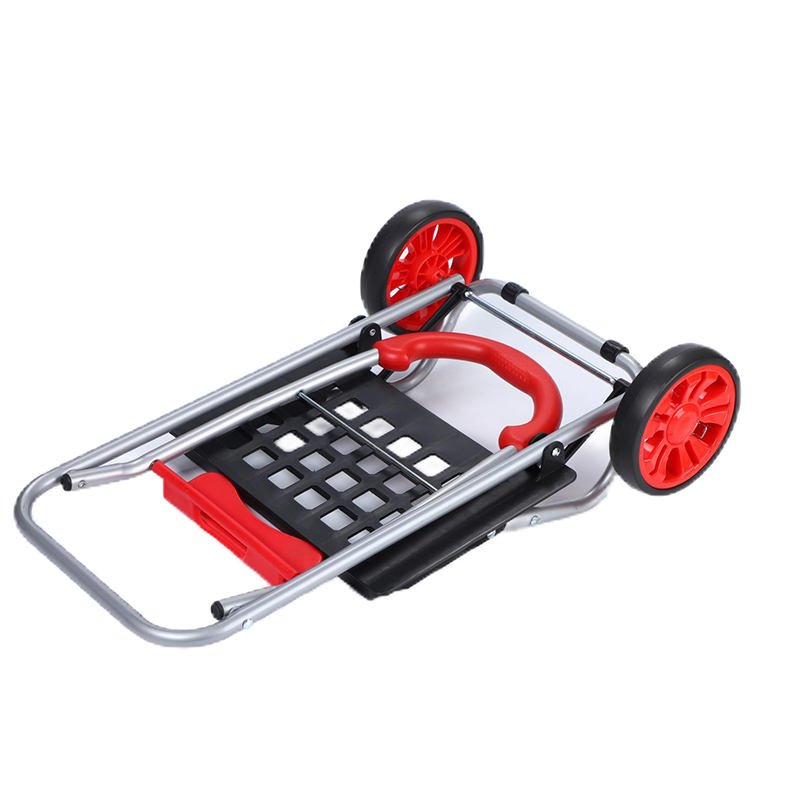
Different businesses need different trolley structures. A platform trolley is suitable for cartons, tools, warehouse picking, and general goods transfer. A cage trolley helps protect loose items during movement. A folding trolley is useful for retail stores, delivery teams, and storage areas with limited space. Heavy-duty trolleys are better for industrial components, appliances, hardware, and bulk materials.
Load capacity should be selected with a safety margin. For light warehouse use, 150 kg to 300 kg may be enough. For medium goods, 300 kg to 500 kg is more practical. For heavy-duty movement, 500 kg to 1000 kg may be needed, depending on frame structure, caster size, wheel material, and platform design.
Warehouse Trolley Selection Guide
| Business Scenario | Recommended Trolley Type | Key Buying Point |
|---|---|---|
| Warehouse picking | Platform trolley | Easy steering and suitable platform size |
| Retail stock transfer | Folding trolley | Space saving and quick storage |
| Factory workshop | Heavy-duty trolley | Strong frame and durable casters |
| Logistics sorting | Cage trolley | Prevents goods from falling during movement |
| Long-distance handling | Ergonomic hand trolley | Comfortable handle and smooth wheels |
Check Frame, Wheels, And Surface Finish
The frame decides strength. A stable warehouse trolley should use a strong steel structure, clean welding, reinforced corners, and a suitable platform thickness. Wheels decide movement quality. PU wheels are often chosen for smoother movement and floor protection, while rubber or heavy-duty caster options may be better for rougher working areas.
Surface treatment also matters. Powder coating can help improve appearance and corrosion resistance in warehouse and workshop environments. Handles should be comfortable, firmly connected, and positioned for easy pushing.
How WOCHANG Supports Practical Trolley Selection
As a warehouse trolley manufacturer, WOCHANG focuses on material handling equipment for warehouses, factories, supermarkets, workshops, logistics centers, and commercial operations. Our team can support platform trolleys, hand trolleys, folding trolleys, cage trolleys, and custom trolley solutions for different business needs.
For wholesale trolley orders and project supply, we can help review load capacity, platform size, frame structure, wheel type, handle design, surface finish, packaging method, and container loading plan before production. Share your product weight, warehouse layout, floor condition, handling distance, quantity, and target budget with our team. We can recommend a practical warehouse trolley solution that balances strength, movement efficiency, cost control, and long-term durability.