


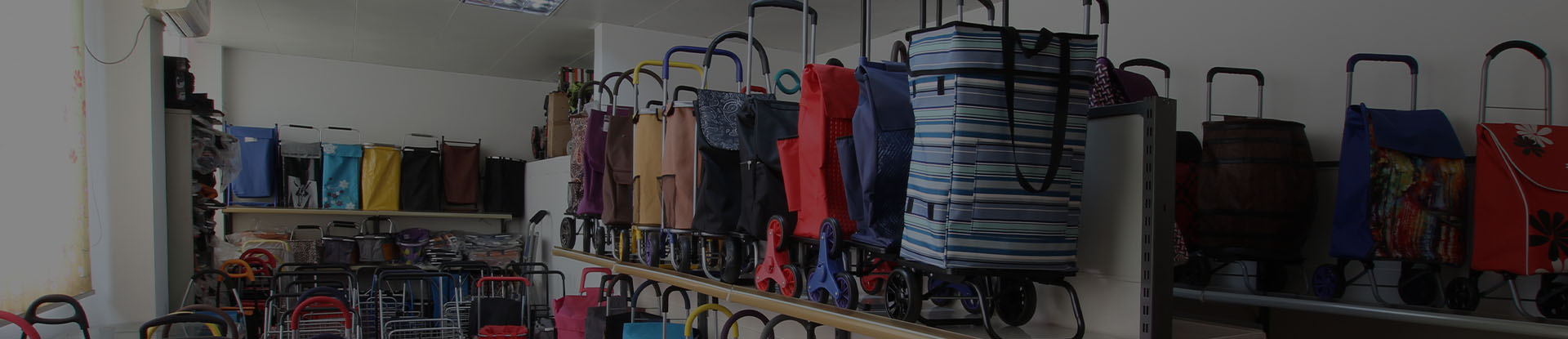
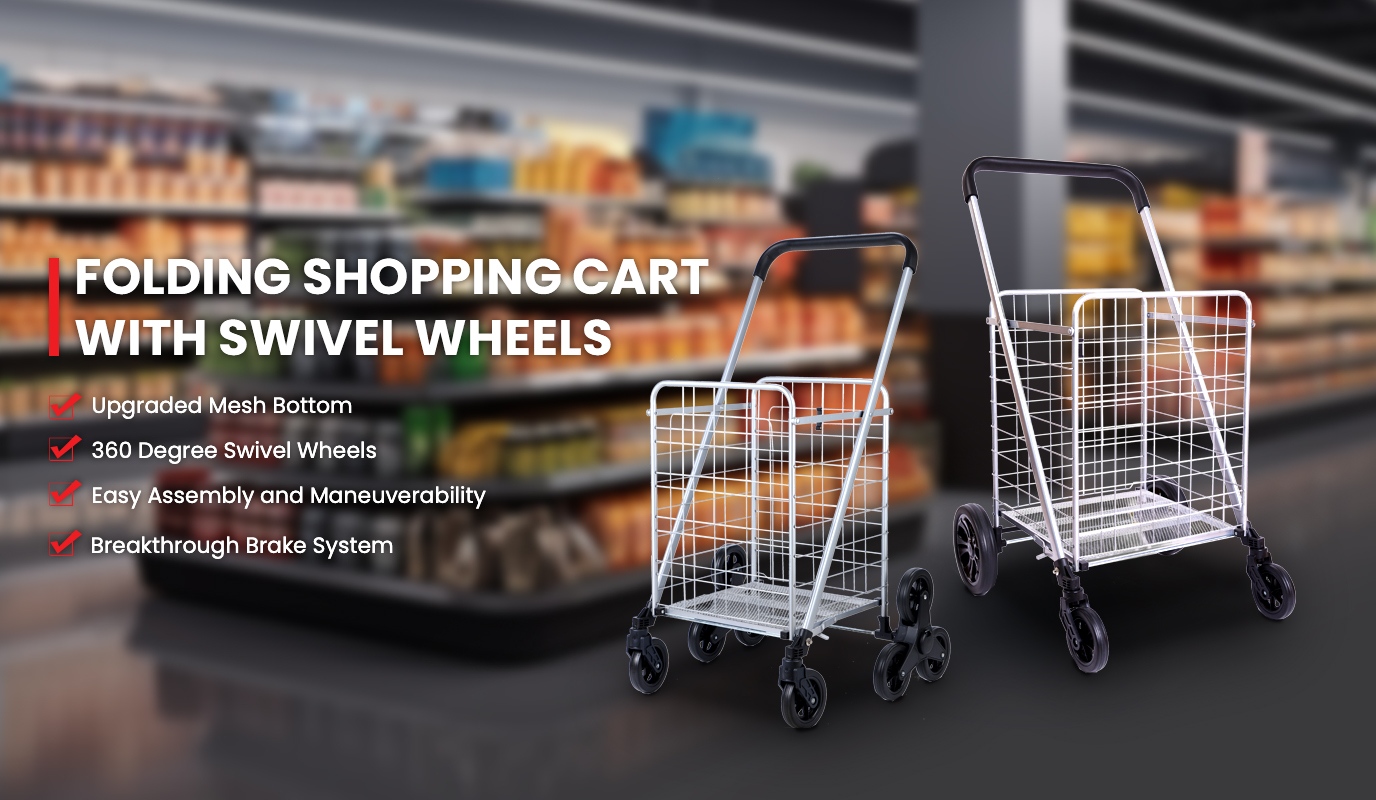
A standard trolley is usually based on existing factory sizes, load capacity, wheel options and packing methods. It is suitable for regular warehouse movement, retail storage, laundry handling and simple logistics tasks.
-
2026-06-26
-
2026-06-25Choosing OEM warehouse trolley or ODM warehouse trolley production depends on your project stage. OEM is suitable when buyers already have drawings, dimensions, logo requirements and technical details. ODM is better when buyers need factory support to develop a practical trolley structure based on warehouse use.
-
2026-06-24A warehouse trolley can be customized according to load weight, aisle width, floor condition, product size and handling frequency. OSHA guidance notes that heavy loads, awkward posture and repetitive handling can increase workplace injury risks, so trolley design should support safer and smoother movement.
-
2026-06-23A reliable warehouse trolley supplier should be evaluated by production control, not only price. OSHA guidance notes that heavy loads, awkward posture and repetitive handling can increase workplace injury risks, so trolley quality directly affects daily warehouse safety.
-
2026-06-22Sourcing a warehouse trolley should begin with daily use conditions, not only product size or unit price. OSHA guidance notes that heavy loads, awkward posture and repetitive material handling can increase workplace injury risks, so trolley selection should support safer and smoother movement.
-
2026-06-19A warehouse trolley can improve handling efficiency, but safety standards must be maintained through correct use, regular inspection and suitable product design. OSHA guidance notes that heavy loads, awkward posture and repetitive material handling can increase workplace injury risks.
-
2026-06-18Trolleys are used every day in warehouses, supermarkets, laundries and logistics areas. They reduce manual carrying, but wrong design or poor operation can still create safety risks. OSHA guidance explains that heavy loads, awkward posture and repetitive material handling can increase workplace injury risks.
-
2026-06-18Trolleys help warehouses, retail stores and logistics teams move goods faster, but unsafe use can create injury and damage risks. OSHA guidance notes that heavy loads, awkward posture and repetitive handling can increase workplace injury risks.
-
2026-06-17A warehouse trolley helps move goods faster, but safe operation depends on correct loading, smooth pushing and regular checking. OSHA guidance notes that heavy loads, awkward posture and repetitive handling can increase workplace injury risks.
-
2026-06-16Trolleys used in warehouses, supermarkets, laundries and logistics areas carry daily operational pressure. A poor frame, weak wheel system or unstable load structure can increase accident risk, product damage and maintenance cost.
-
2026-06-15Workplace accidents in warehouses often come from repeated lifting, unstable goods, blocked walking routes and uncontrolled movement. OSHA guidance notes that awkward posture, heavy loads and repetitive handling can increase injury risks during material movement.
-
2026-06-12Load stability is one of the most important factors when choosing a warehouse trolley. In warehouses, products are moved through aisles, packing zones, loading areas and storage spaces every day. If the load shakes, tilts or slides, it can slow down handling, increase product damage and create safety risks.