



What Is The Difference Between Shopping Cart And Shopping Trolley
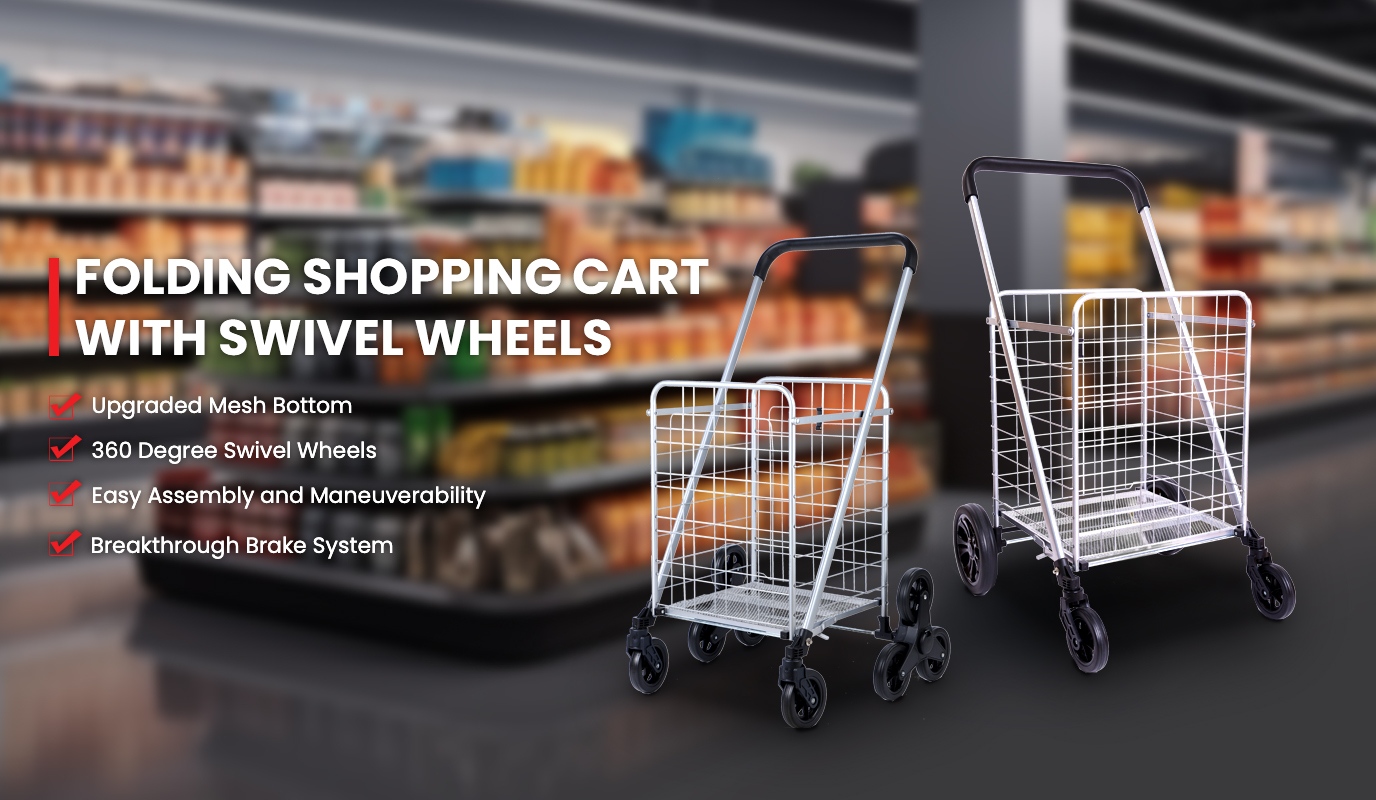
Shopping Cart and shopping trolley often refer to similar retail equipment, but the wording, structure, and market preference may differ by region and application. Cambridge Dictionary commonly presents shopping trolley as a UK term and shopping cart as a US term, while Merriam-Webster defines a shopping cart as a metal or plastic four-wheel cart used to hold merchandise in supermarkets or department stores.
Shopping Cart vs Shopping Trolley: Main Differences
In many export projects, shopping cart is more common in North America, while shopping trolley is widely used in the UK, Europe, Australia, and many international markets. From a manufacturing view, the product may also vary by size, basket structure, wheel design, handle style, and usage scenario.
| Item | Shopping Cart | Shopping Trolley |
|---|---|---|
| Common Market Term | North America | UK, Europe, Australia, export markets |
| Typical Structure | Metal or plastic basket with four wheels | Basket, bag, folding frame, or multi-purpose trolley |
| Main Use | Supermarkets and retail stores | Shopping, retail, outdoor, laundry, transport |
| Custom Focus | Basket size, handle, wheels, coating | Frame, bag, wheels, folding function, logo |
Manufacturer vs Trader: Why Terminology Matters
A trader may list both names as ready-made products, but a direct manufacturer can help clarify the real structure behind the term. This matters when buyers need OEM or ODM adjustments such as basket capacity, frame height, wheel type, handle logo, bag material, folding structure, surface finish, carton size, and spare parts.
WOCHANG has more than 20 years of manufacturing experience in shopping carts, Shopping Baskets, Laundry Carts, Outdoor Carts, and related trolley products. With BSCI and SCAN certification, our factory supports supplier audit needs, export order control, and repeat production consistency.
OEM and ODM Process Overview
A clear project process should begin with target market language, store type, load requirement, product size, wheel material, color, logo method, packing style, MOQ, and lead time. After sample approval, production usually includes material preparation, cutting, bending, welding, surface treatment, fabric sewing if needed, wheel assembly, function checking, inspection, and packing.
For multi-purpose trolley projects, this Shopping Trolley Chair can be used as a reference. It combines shopping, transport, folding storage, and seat functions, making it useful for discussing structure, materials, wheels, load capacity, logo customization, and packing details.
Quality Control and Export Compliance
Before bulk supply, buyers should check frame balance, welding strength, coating coverage, wheel rotation, handle fixing, basket or bag stability, folding function, load performance, carton protection, and export documents. EN 1929 is often referenced for shopping trolley construction, performance, testing, and safety requirements in export markets.
Practical Summary
Shopping cart and shopping trolley may describe similar products, but the correct term depends on the market, structure, and application. Working with a direct manufacturer helps make terminology, product design, OEM and ODM customization, quality inspection, packing, and export delivery more predictable.