


How Do Modular Trolley Designs Support Flexible Operations
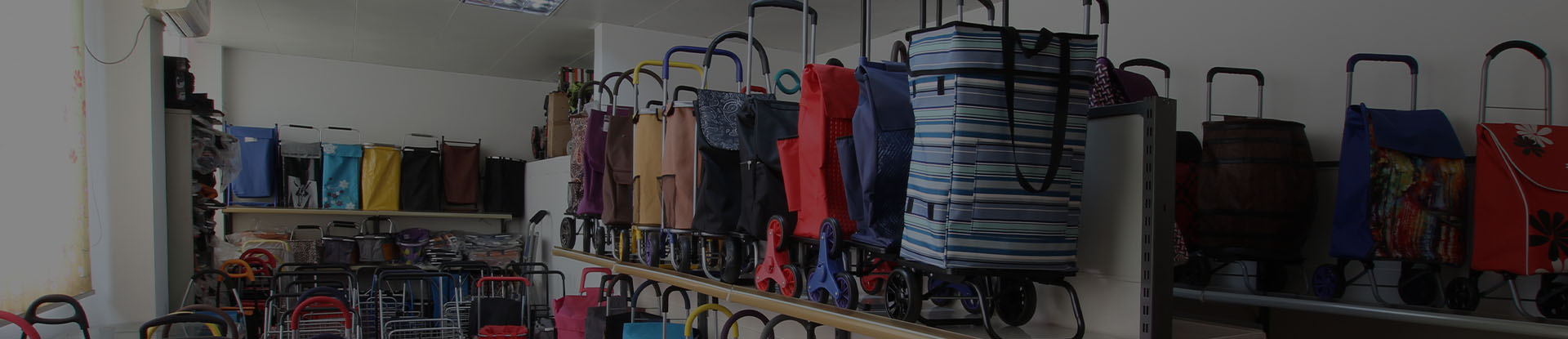
Modular trolley designs support flexible operations by making one trolley structure easier to adapt for different retail, storage, transport, and outdoor scenarios. Instead of using a fixed single-purpose design, modular thinking allows the frame, wheels, bag, handle, seat, basket, and accessories to be adjusted according to real project needs.
Why Modular Design Matters in Trolley Sourcing
Retail and storage operations often change over time. A store may need compact trolleys for narrow aisles, folding trolleys for easier storage, or seat-style trolleys for longer walking routes. Modular trolley design helps reduce repeated development cost because key components can be adjusted without rebuilding the whole product from zero.
| Modular Part | Flexible Operation Value |
|---|---|
| Frame structure | Supports folding, storage, and different load needs |
| Wheel system | Matches indoor floors, outdoor paths, and noise control |
| Bag or basket | Adjusts capacity, color, logo, and material |
| Handle design | Improves pushing comfort and brand display |
| Seat module | Adds rest function for longer use scenarios |
Manufacturer vs Trader: Why Modular Development Needs Factory Control
A direct trolley manufacturer can control material sourcing, frame forming, welding, surface treatment, wheel assembly, sewing, inspection, and packing. Compared with a trader, a manufacturer can better support OEM and ODM adjustments such as frame size, wheel type, folding function, bag fabric, logo printing, seat structure, color matching, and carton packing.
WOCHANG has more than 20 years of manufacturing experience in Shopping Carts, Shopping Baskets, Laundry Carts, Outdoor Carts, and related trolley products. With BSCI and SCAN certification, our factory supports supplier audit needs, export order consistency, and repeat production management.
OEM and ODM Process for Modular Trolleys
A modular trolley project should begin with clear application requirements. Buyers need to confirm where the trolley will be used, what load it should carry, how it should fold or store, and whether logo, color, bag, wheel, or seat functions are needed.
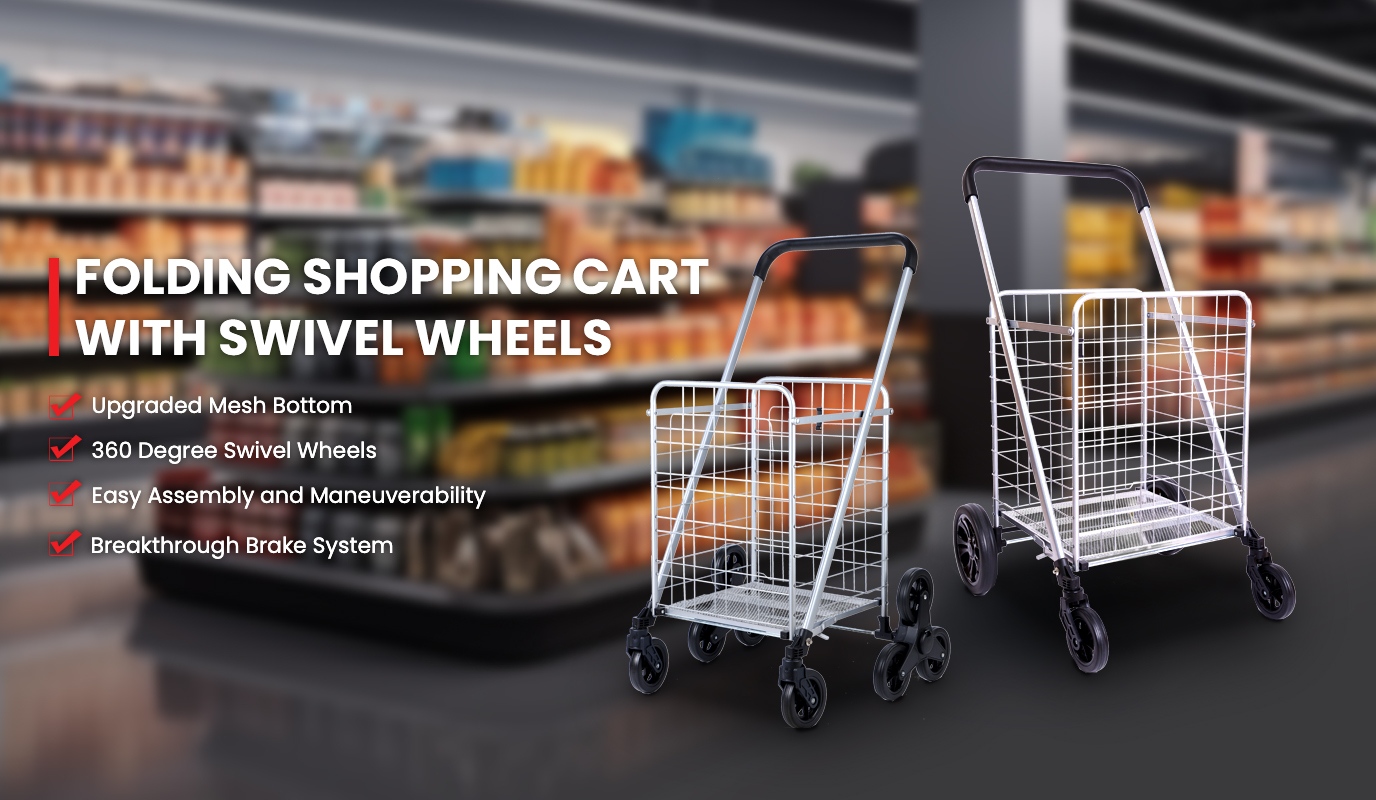
For a multi-function reference, this Shopping Trolley Chair combines a shopping trolley and a built-in seat. It helps show how modular design can support shopping, transport, outdoor use, and temporary rest in one product structure.
Manufacturing Process Overview
The manufacturing process usually includes material preparation, cutting, bending, welding, surface treatment, fabric cutting, sewing, wheel assembly, handle fitting, folding test, cleaning, inspection, and packing. For modular designs, matching accuracy between parts is especially important because each component must fit smoothly during use and storage.
Quality Control and Export Compliance
Quality control should focus on frame balance, welding strength, coating coverage, wheel rotation, folding function, seat stability, bag stitching, handle fixing, load performance, carton strength, and spare parts support. EN 1929 is often referenced for shopping trolley construction, performance, testing, and safety requirements in export markets.
Final Thoughts
Modular trolley designs make operations more flexible by supporting different store layouts, user needs, storage methods, and customization plans. Working with a direct manufacturer helps make OEM and ODM development, bulk production, quality inspection, packing, and export delivery more predictable from sample approval to repeat orders.