


What Are The Differences Between Manual And Electric Trolleys
Manual and electric trolleys serve different retail and logistics needs. For supermarkets, retail stores, warehouses, and daily transport tasks, the right choice depends on load capacity, moving distance, floor condition, labor intensity, maintenance cost, and export compliance.
Manual Trolleys vs Electric Trolleys
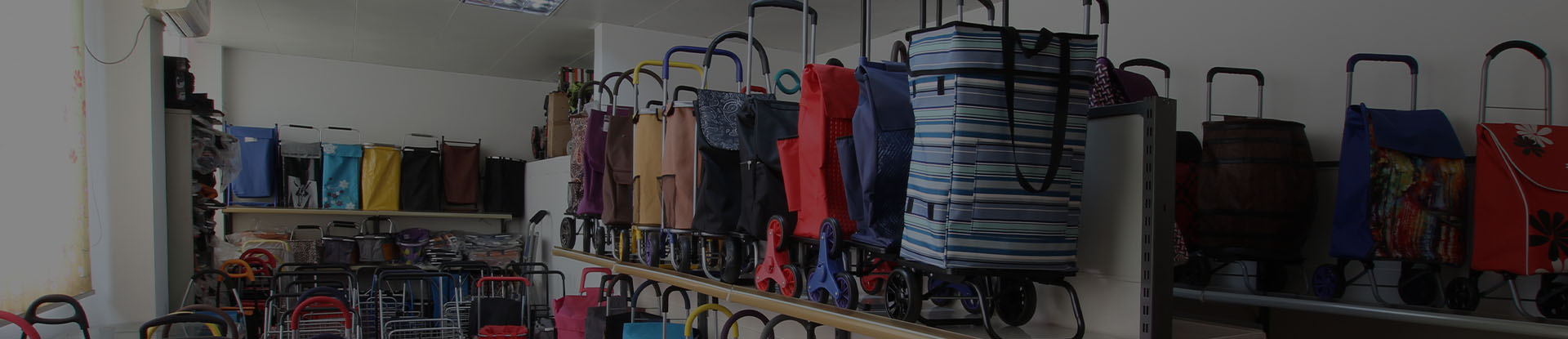
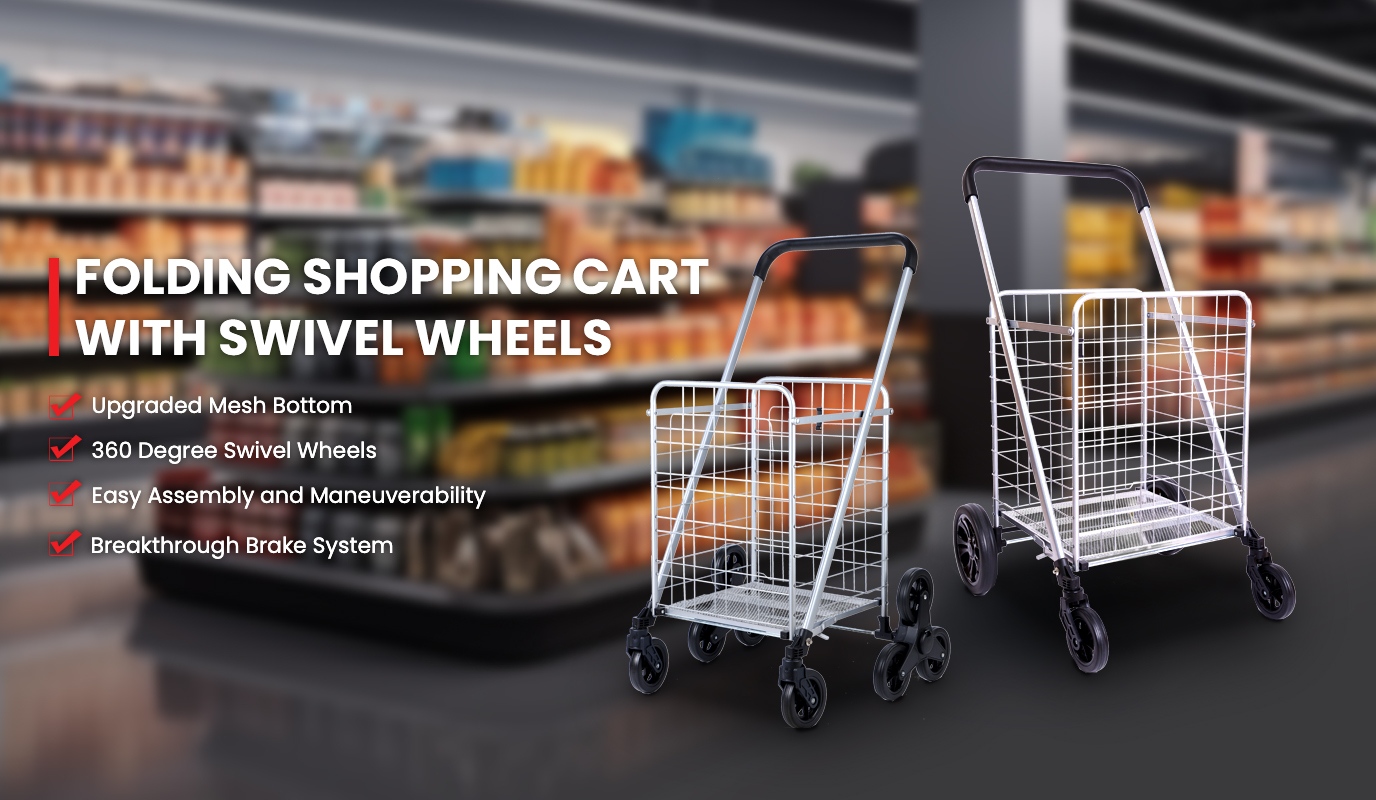
Manual trolleys are pushed or pulled by users. They are simple, cost-effective, easy to maintain, and suitable for supermarkets, shopping areas, laundry rooms, outdoor use, and light material handling. Electric trolleys use a motor, battery, controller, and electrical system to reduce pushing effort, especially for heavier loads or longer transport routes.
| Item | Manual Trolley | Electric Trolley |
|---|---|---|
| Power | Human pushing | Motor and battery |
| Cost | Lower purchase and maintenance cost | Higher system and service cost |
| Use Scene | Retail, supermarket, laundry, light transport | Heavy load, long distance, frequent movement |
| Maintenance | Wheels, frame, handle, coating | Battery, motor, controller, wiring |
| Export Focus | Structure, material, packing | Electrical safety, battery documents, charging rules |
Manufacturer vs Trader: Why Product Matching Matters
A direct trolley manufacturer can help match trolley type with real use conditions. Compared with a trader, a manufacturer can check structure, materials, wheel size, handle height, folding function, bag fabric, packing method, and OEM or ODM requirements before bulk production.
WOCHANG has more than 20 years of manufacturing experience in Shopping Carts, Shopping Baskets, Laundry Carts, and related trolley products. With BSCI and SCAN certification, our factory supports supplier audit needs, stable production management, and export order consistency.
OEM and ODM Process
For manual trolley projects, customization usually includes frame size, bag material, wheel type, handle color, logo printing, load capacity, folding structure, and carton packing. For electric trolley projects, buyers also need to confirm battery type, motor power, charger, control system, safety labeling, spare parts, and after-sales requirements.
For manual retail and multi-purpose use, this Shopping Trolley Chair can be used as a reference when discussing folding structure, wheel design, material selection, load requirement, colors, MOQ, and packing details.
Manufacturing Process Overview
Manual trolley production usually includes tube or wire preparation, cutting, bending, welding, surface treatment, fabric cutting, sewing, wheel assembly, function checking, cleaning, and packing. Electric trolleys add battery installation, motor assembly, wiring, controller testing, charging test, and electrical inspection.
Quality Control and Export Compliance
Manual trolley inspection should focus on frame balance, welding strength, coating coverage, wheel rotation, handle fixing, folding function, load performance, carton strength, and spare parts support. Electric trolley inspection should also include battery safety, charger matching, wiring protection, power output, braking control, and user instructions.
For export markets, EN 1929 is often used as a reference for shopping trolley construction, performance, testing, and safety requirements. ISO 2859-1 AQL sampling can help define inspection quantity and acceptance rules before shipment.
Practical Summary
Manual trolleys are suitable for flexible retail, supermarket, laundry, and outdoor transport needs, while electric trolleys are more suitable for heavier or longer-distance movement. A direct manufacturer helps make trolley selection, OEM and ODM customization, quality inspection, packing, and bulk delivery more predictable.