



Can Warehouse Trolleys Reduce Employee Fatigue
Why Fatigue Starts From Repeated Manual Handling
Warehouse fatigue often comes from repeated lifting, carrying, pushing, pulling and walking between storage, packing and loading areas. OSHA notes that heavy loads, awkward posture and repetitive tasks can increase the risk of musculoskeletal disorders, while ergonomics can reduce muscle fatigue and improve productivity.
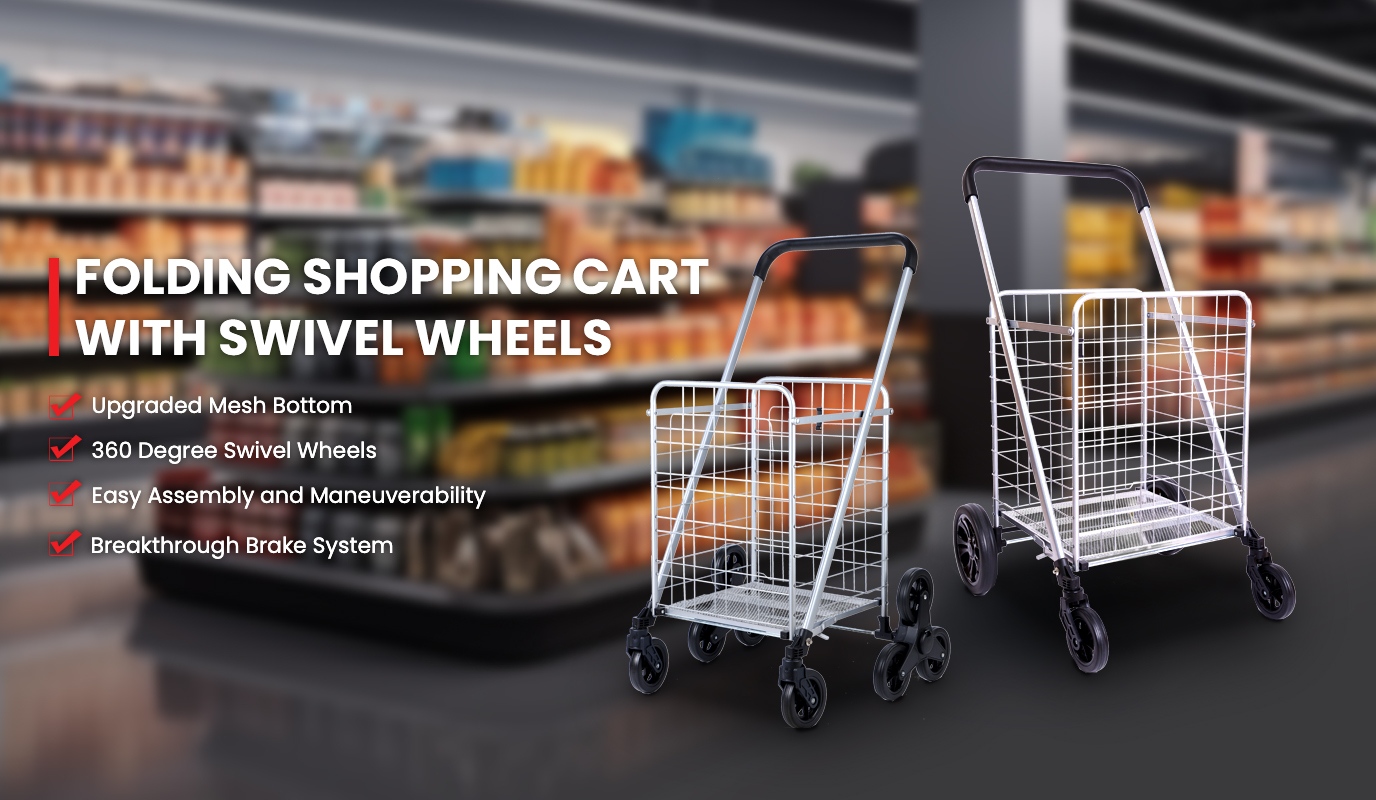
A well-designed warehouse trolley helps reduce unnecessary carrying distance and allows workers to move more goods in one trip. For logistics operations, this can improve handling speed while lowering physical strain during long shifts.
Where Trolleys Reduce Physical Effort
A trolley cannot remove all manual work, but it can reduce the most tiring parts of daily warehouse movement.
| Fatigue Point | How A Trolley Helps |
|---|---|
| Repeated Carrying | Moves more items per trip |
| Long Walking Routes | Reduces back-and-forth movement |
| Awkward Loads | Keeps goods organized on a stable frame |
| Heavy Handling | Transfers weight to wheels |
| End-Shift Slowdown | Supports more consistent workflow |
OSHA also advises pushing loads when possible because pushing generally takes less effort than pulling. This makes handle height, wheel quality and frame balance important when selecting warehouse trolleys.
Manufacturer Vs Trader
A manufacturer controls tube cutting, bending, welding, polishing, coating, wheel assembly, testing and packing. This helps keep frame strength, handle position and wheel performance consistent across bulk orders.
A trader may offer many models, but production often depends on outside factories. For equipment used every day, unstable wheels, weak welding or poor coating can increase effort and maintenance cost.
WOCHANG has more than 20 years of experience manufacturing Shopping Carts, warehouse trolleys, Laundry Carts and related material handling products. With BSCI and SCAN certification, we support export-oriented production and supply management.
OEM / ODM Process For Lower-Fatigue Use
A practical OEM / ODM process should confirm load capacity, handle height, trolley size, wheel material, wheel diameter, frame structure, surface finish, logo position and packing method before production.
For warehouse use, these details affect how much force workers need during daily movement. A trolley that fits aisle width, product size and loading weight can reduce unnecessary effort.
Manufacturing Process And Quality Checkpoints
A stable warehouse trolley usually goes through steel tube cutting, bending, welding, polishing, powder coating, wheel assembly, load testing and final packing.
Key QC checkpoints include welding strength, frame balance, wheel rotation, handle stability, coating adhesion, load capacity and carton protection. These checks help reduce shaking, dragging, wheel failure and transport damage.
Material Standards And Export Compliance
Common materials include steel tube, wire mesh, PP components, rubber wheels and powder-coated finishes. For export markets, buyers should also review anti-rust treatment, packaging strength, labeling and product documentation.
A Practical Way To Reduce Warehouse Fatigue
Warehouse trolleys reduce employee fatigue by lowering carrying effort, improving movement efficiency and supporting safer handling routines. For bulk purchase projects, WOCHANG provides manufacturing support, OEM / ODM flexibility, quality control and export-ready supply for warehouse trolley orders.