


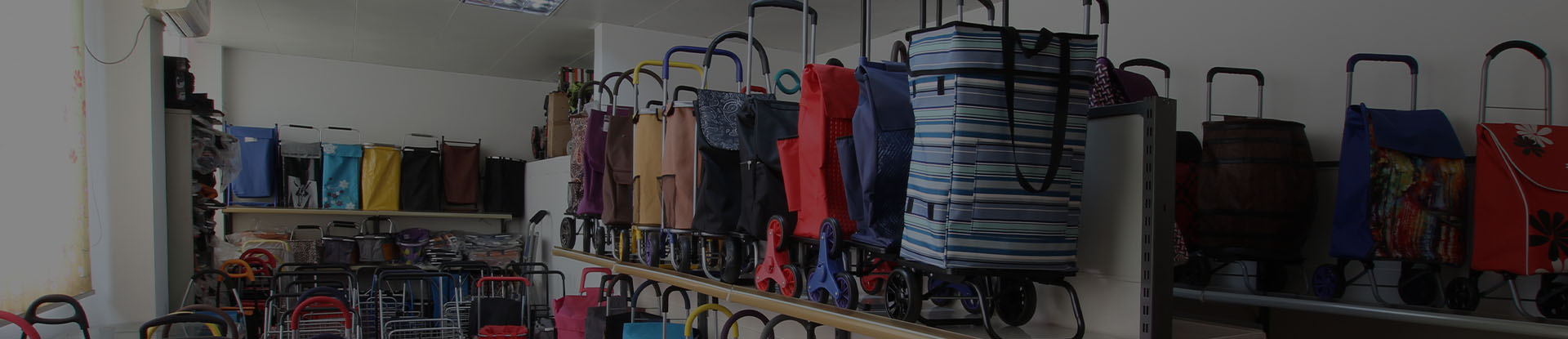
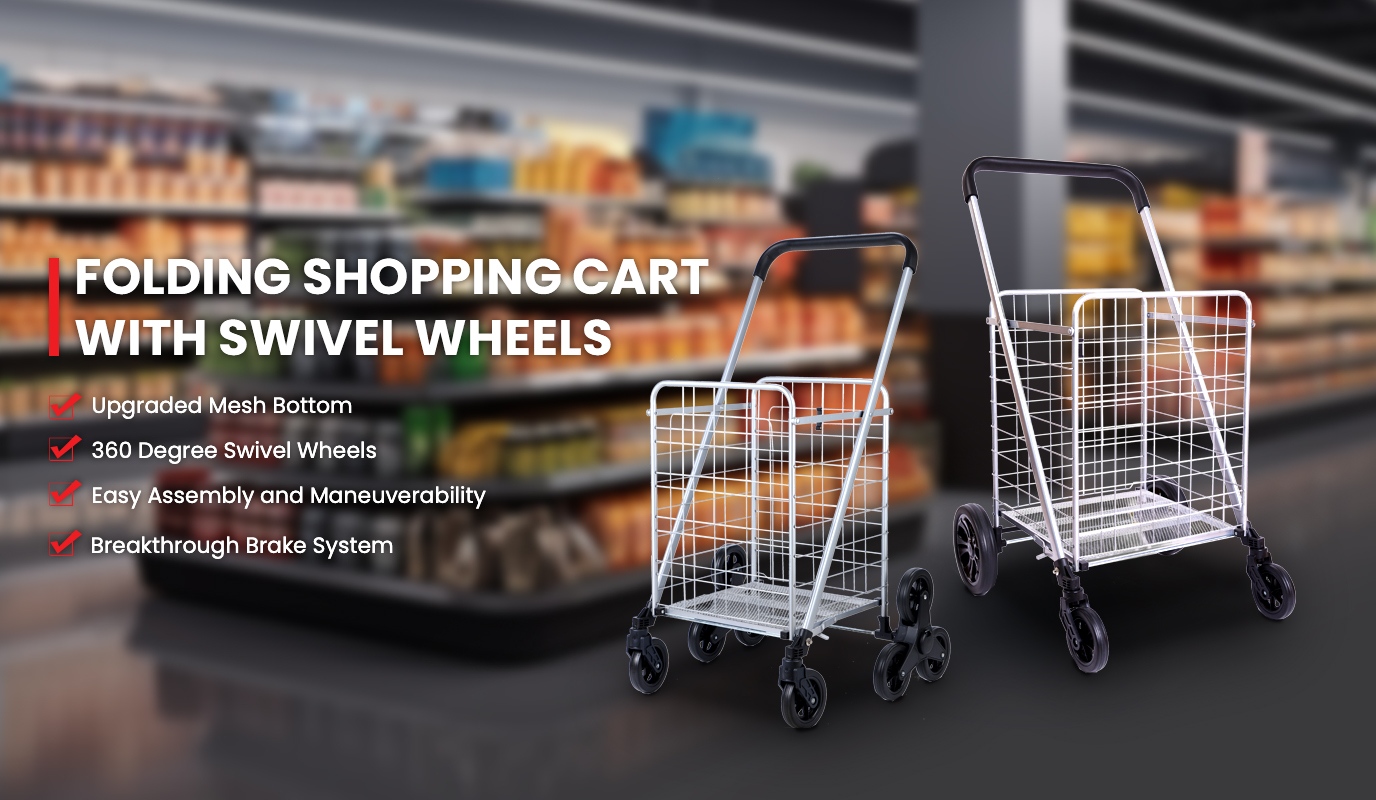
What Roi Can A Warehouse Trolley Bring To Logistics Operations
Why warehouse trolley ROI Starts With Labor Efficiency
A warehouse trolley may look simple, but it directly affects picking speed, walking distance, handling safety and daily labor cost. In many warehouse operations, labor can account for 50 percent to 70 percent of operating costs, while picking is often one of the most labor-intensive tasks.
For logistics operations, the ROI of a warehouse trolley usually comes from three areas: faster item movement, fewer manual handling risks and lower product damage during internal transfer.
Manufacturer Vs Trader: Why It Matters
A manufacturer can control tube cutting, welding, bending, surface treatment, wheel assembly, load testing and packing. This makes the trolley structure more consistent across bulk orders.
A trader may offer many models, but production often depends on outside factories. For logistics equipment used every day, unstable wheels, weak frames or poor coating can increase maintenance cost and shorten service life.
WOCHANG is located in Jiangmen, Guangdong, with more than 20 years of manufacturing experience in Shopping Carts, Shopping Baskets, Laundry Carts and related trolley products. The factory holds BSCI and SCAN certifications, which supports export-oriented supply management.
How A Warehouse Trolley Creates Measurable ROI
| ROI Area | Operational Impact |
|---|---|
| Picking Efficiency | Fewer trips between storage areas |
| Labor Cost | Less manual carrying during each shift |
| Product Protection | Lower risk of dropping or collision |
| Worker Safety | Reduced pushing, lifting and awkward handling risks |
| Workflow Speed | Faster movement between shelves, packing zones and dispatch areas |
A good warehouse trolley helps workers carry more items per trip while keeping goods organized. This can improve picking rate, reduce repeated walking and support smoother movement from storage to packing.
OEM / ODM Process For Logistics Projects
For bulk supply, the OEM / ODM process should confirm load capacity, frame size, wheel type, handle height, basket depth, surface finish, logo position and packing method before production.
WOCHANG can support custom trolley requirements based on warehouse layout, product weight, aisle width and export packaging needs. This helps buyers avoid ordering trolleys that look suitable but do not match real warehouse use.
Manufacturing Process And QC Checkpoints
A stable warehouse trolley depends on frame strength, wheel performance and surface durability. The production process usually includes steel tube cutting, welding, polishing, powder coating, wheel assembly, load testing and final packing.
Important quality checkpoints include:
Welding strength
Wheel rotation smoothness
Frame balance
Surface coating adhesion
Handle stability
Carton protection
Container loading arrangement
Material Standards And Export Compliance
Common materials include steel tube, wire mesh, PP parts, rubber wheels and powder-coated finishes. For export markets, buyers should also review anti-rust treatment, carton strength, product labeling and documentation requirements.
OSHA notes that lifting, pushing, pulling and repetitive handling can increase musculoskeletal disorder risks in workplaces. A well-designed trolley helps reduce unnecessary manual carrying and supports safer internal material movement.
A Practical ROI Decision For Logistics Operations
A warehouse trolley brings ROI when it reduces labor waste, supports faster picking, lowers damage risk and lasts through daily use. The lowest unit price is not always the lowest operating cost.
For logistics operations planning bulk purchase, WOCHANG provides manufacturing support, OEM / ODM flexibility, quality control and export-ready supply for warehouse trolley projects.