


Personal Shopping Cart vs Commercial Shopping Cart: Which Has Different Market Opportunities?
Personal Shopping Carts target individual consumers who value portability, compact storage, and everyday convenience, while commercial shopping carts serve retailers that need higher durability, capacity, and consistent performance. The two categories address different purchasing motivations and market opportunities.
What Is the Difference Between Personal and Commercial Shopping Carts?
The main difference is the end user and operating environment.
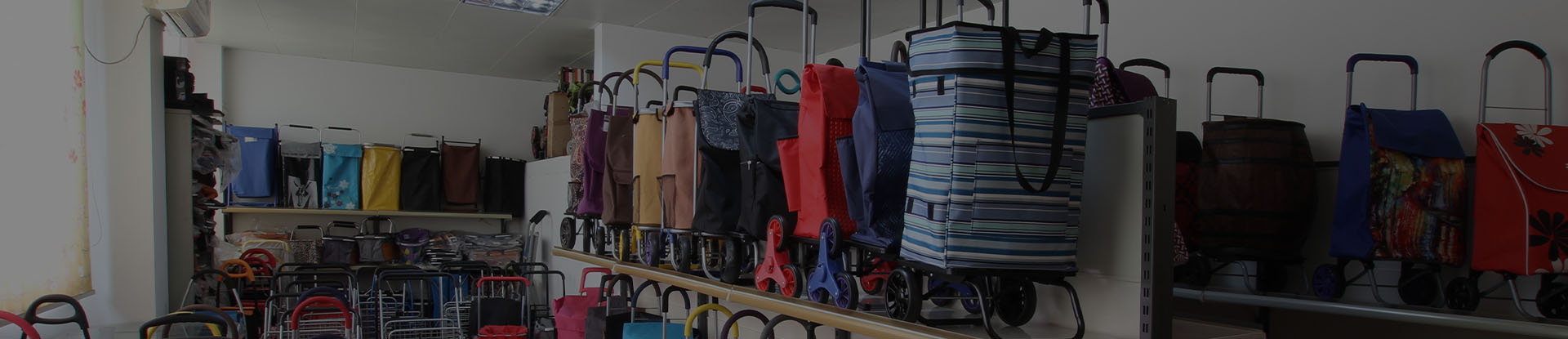
A personal shopping cart is designed for individual consumers. Typical users may purchase groceries, household products, or daily necessities and need a convenient way to transport goods from stores to homes.
A commercial shopping cart is designed for businesses such as supermarkets, grocery stores, wholesale retailers, and other retail environments. It needs to withstand repeated customer use and continuous handling.
This creates two different market priorities:
Personal market: convenience and portability
Commercial market: durability and operational efficiency
Personal market: smaller quantities
Commercial market: repeated high-frequency use
Personal market: individual purchase decisions
Commercial market: bulk procurement
What Drives Demand for Personal Shopping Carts?
Personal shopping carts are closely connected with everyday mobility.
Demand can come from consumers who:
Walk to nearby supermarkets
Use public transportation
Live in apartments
Shop at local markets
Purchase groceries frequently
Prefer not to carry heavy bags
The product can therefore become part of a consumer's regular shopping routine rather than simply being a retail accessory.
Important product characteristics include:
Lightweight construction
Compact dimensions
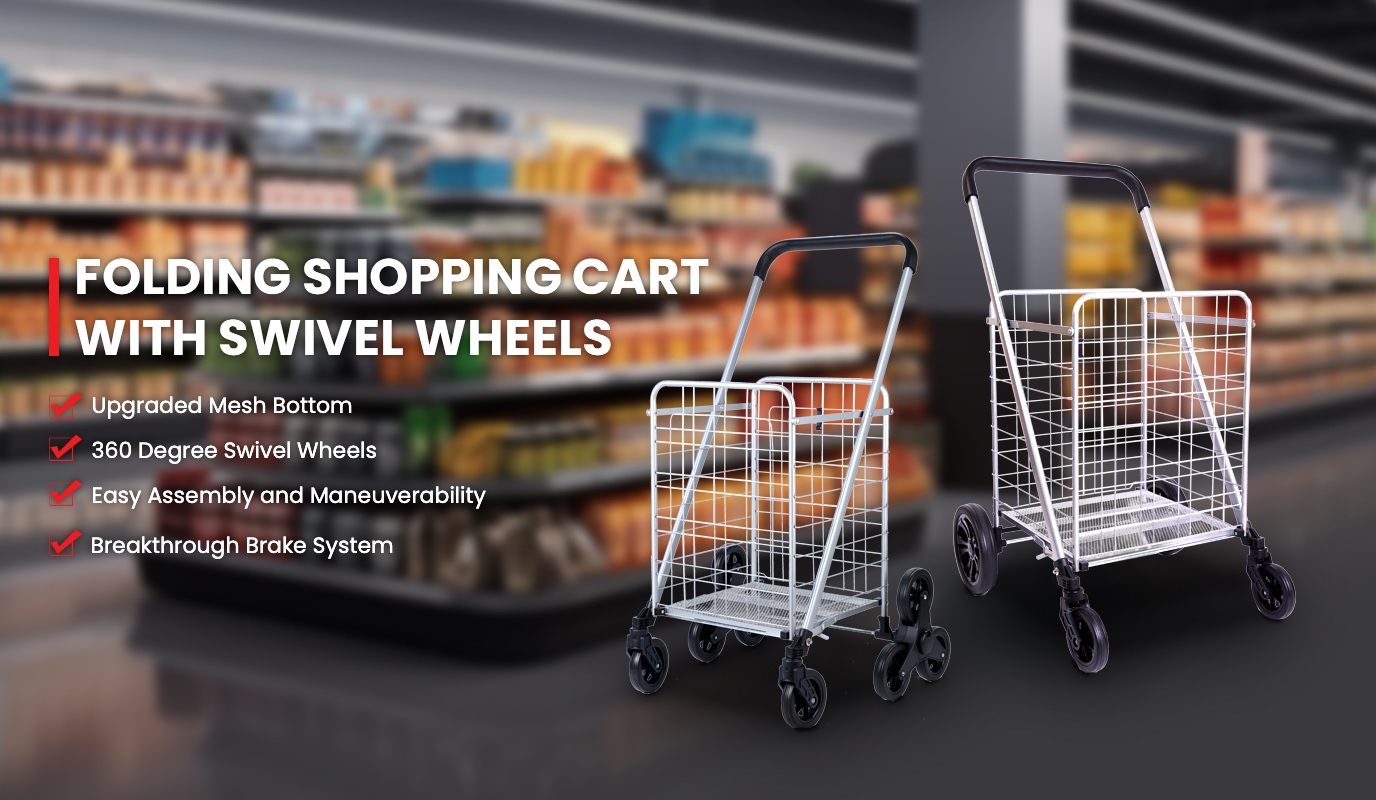
Folding capability
Comfortable handles
Smooth wheels
Practical basket capacity
What Drives Demand for Commercial Shopping Carts?
Commercial shopping carts are driven primarily by retail operations.
Retailers need carts that can support:
Large customer volumes
Frequent loading
Heavy shopping loads
Continuous daily operation
Easy collection and storage
The commercial market includes:
Supermarkets
Hypermarkets
Grocery chains
Wholesale stores
Warehouse retailers
Shopping centers
The purchasing decision is generally more structured than a personal purchase and may involve procurement teams, store managers, distributors, or purchasing agents.
How Do Personal and Commercial Shopping Cart Markets Compare?
| Factor | Personal Shopping Cart | Commercial Shopping Cart |
|---|---|---|
| Main buyer | Individual consumer | Retail business |
| Main user | Individual | Store customers |
| Typical purchase volume | One or a few units | Bulk orders |
| Main priority | Convenience | Durability |
| Load requirement | Light to medium | Medium to high |
| Storage | Compact | Nesting or dedicated storage |
| Usage frequency | Regular personal use | High-frequency commercial use |
| Customization | Limited | Extensive |
| Sales model | Retail / e-commerce | B2B / distributor |
These differences create distinct product positioning and sales strategies.
Which Market Has Greater Customization Opportunities?
The commercial market generally offers greater customization opportunities.
Retailers may require:
Custom basket dimensions
Frame modifications
Child seat configurations
Special wheel systems
Branding
Color matching
Surface treatments
Packaging
Store-specific designs
A retail chain may want the same cart specification across hundreds of locations.
Personal shopping carts usually require less customization because the individual buyer selects from existing retail products.
For manufacturers, commercial customization can therefore create stronger opportunities for differentiated B2B products.
Which Market Has Higher Volume Potential?
Commercial shopping carts can generate higher order volumes per customer.
A supermarket chain may purchase hundreds or thousands of carts for multiple stores.
A personal shopping cart customer typically purchases one unit.
However, the personal market can offer a much larger number of individual potential buyers through:
E-commerce
Retail stores
Marketplaces
Specialty shops
Home and lifestyle channels
This creates an important distinction:
Commercial orders provide higher volume per transaction, while personal products can provide broader consumer reach.
Which Market Has More Repeat Purchase Potential?
Commercial buyers can have significant repeat-order potential.
A retailer may reorder carts when:
New stores open
Existing carts wear out
Store layouts change
Customer traffic increases
Product specifications are upgraded
This can create long-term B2B relationships between manufacturers and retail chains.
Personal consumers generally replace shopping carts less frequently, although demand can still come from:
Product upgrades
Household changes
Wear and tear
Gifts
Seasonal purchases
What Product Features Matter Most in the Personal Market?
Personal users generally prioritize ease of use.
Important features include:
Lightweight Design
Consumers need to move the cart without excessive effort.
Folding Capability
A foldable cart can fit into apartments, closets, car trunks, or other compact spaces.
Comfortable Handle
Handle height and grip design affect everyday usability.
Wheel Performance
Smooth wheels make the cart easier to pull over common sidewalks and indoor floors.
Practical Capacity
The basket should accommodate a normal shopping load without making the cart unnecessarily large.
What Product Features Matter Most in the Commercial Market?
Commercial buyers normally prioritize performance over compactness.
Important specifications include:
Load capacity
Frame strength
Wheel durability
Basket volume
Nesting efficiency
Corrosion protection
Handle strength
Child seat structure
Long-term service life
For high-traffic retail environments, the cart needs to remain functional through repeated customer use.
From a manufacturer's perspective, this makes structural design and quality control particularly important in commercial shopping cart production.
Which Market Is More Suitable for Foldable Shopping Carts?
Foldable shopping carts can work well in both markets, but the reasons differ.
For personal users, folding mainly provides:
Easy home storage
Vehicle transportation
Compact handling
For commercial users, folding can provide:
Compact backroom storage
Easier transportation between stores
Temporary retail flexibility
Space savings in small stores
The same basic product feature can therefore address different purchasing motivations.
Which Market Is Better for Heavy Duty Shopping Carts?
Commercial retail is the more natural market for heavy duty shopping carts.
Large supermarkets and wholesale stores may need carts that can handle:
Bulk groceries
Beverage cases
Household products
Heavy packages
Large shopping loads
A heavy-duty frame, stronger wheels, and reinforced basket structure can improve performance under these conditions.
Personal users generally have less need for heavy-duty capacity unless their shopping habits involve unusually large loads.
How Does Storage Affect Market Opportunities?
Storage requirements create different opportunities in both markets.
Personal users often have limited storage space at home.
This creates demand for:
Folding carts
Collapsible baskets
Compact frames
Lightweight structures
Commercial retailers may have larger storage areas but need to store many carts simultaneously.
This creates opportunities for:
Nesting carts
Stackable structures
Compact cart designs
Efficient collection systems
The manufacturer's challenge is therefore different for each market.
How Do Sales Channels Differ?
Personal shopping carts are commonly sold through:
E-commerce
Retail stores
Online marketplaces
Home goods channels
Supermarket accessory sections
Commercial shopping carts are more likely to be sold through:
Direct factory sales
Distributors
Retail equipment suppliers
Procurement companies
B2B platforms
Long-term supply agreements
Commercial products often require more technical communication because buyers need information about capacity, dimensions, materials, packaging, and customization.
Which Market Is More Suitable for OEM and Private Label?
The commercial market generally provides stronger OEM and private-label opportunities.
Retail brands and distributors may require:
Custom colors
Brand logos
Packaging
Modified structures
Retail-specific dimensions
Exclusive product configurations
Personal shopping carts can also support private-label programs, particularly through e-commerce brands and household product distributors.
However, commercial projects often involve larger order quantities and more detailed product development.
What Should Manufacturers Consider When Targeting These Markets?
Manufacturers should avoid treating personal and commercial shopping carts as the same product category.
For the personal market, product development should emphasize:
Ease of use
Portability
Appearance
Compact storage
Consumer-friendly pricing
For the commercial market, development should emphasize:
Structural durability
Load capacity
Wheel performance
Customization
Quality consistency
Bulk production
Packaging and logistics
The difference should be reflected in both product engineering and marketing communication.
Can One Manufacturer Serve Both Markets?
Yes, provided the manufacturer has sufficient product development and production flexibility.
A manufacturer with capabilities covering:
Metal frame fabrication
Welding
Surface treatment
Plastic components
Wheel assembly
Folding mechanisms
Quality inspection
OEM/ODM development
can develop different product configurations for different customer groups.
WOCHANG has more than 20 years of manufacturing experience in shopping carts, Shopping Baskets, Laundry Carts, and related trolley products, with BSCI and SCAN certifications and exports to more than 30 countries. (wochangtrolley.com)
This type of manufacturing structure allows products to be developed around different application requirements rather than forcing every customer into one standard configuration.
What Should Buyers Check Before Ordering Commercial Shopping Carts?
Commercial buyers should evaluate:
Expected customer traffic
Estimate how frequently each cart will be used.
Typical load
Determine the normal and maximum shopping load.
Store layout
Check aisle width, entrance dimensions, checkout areas, and turning space.
Storage requirements
Evaluate nesting, storage footprint, and collection procedures.
Wheel system
Check wheel diameter, material, caster configuration, and load rating.
Material and surface treatment
Consider corrosion resistance and long-term use.
Customization requirements
Define dimensions, colors, branding, child seats, and packaging.
Manufacturer capability
Check production capacity, quality control, testing, customization, and export experience.
Which Market Offers Better Opportunities: Personal or Commercial Shopping Carts?
The personal shopping cart market offers broad consumer reach and opportunities around portability, convenience, and compact design. The commercial shopping cart market offers larger order volumes, stronger customization opportunities, and greater potential for long-term B2B supply relationships.
Neither market is universally more attractive.
Personal products can benefit from growing demand for convenient everyday transportation, while commercial carts remain essential to supermarkets, wholesale retailers, and large-scale retail operations.
From a manufacturer's perspective, the strongest market strategy is to separate the two product propositions clearly: personal carts should solve individual mobility and storage problems, while commercial carts should solve retail capacity, durability, and operational efficiency problems.
This distinction helps manufacturers develop more targeted products, pricing structures, sales channels, and OEM/ODM programs.