



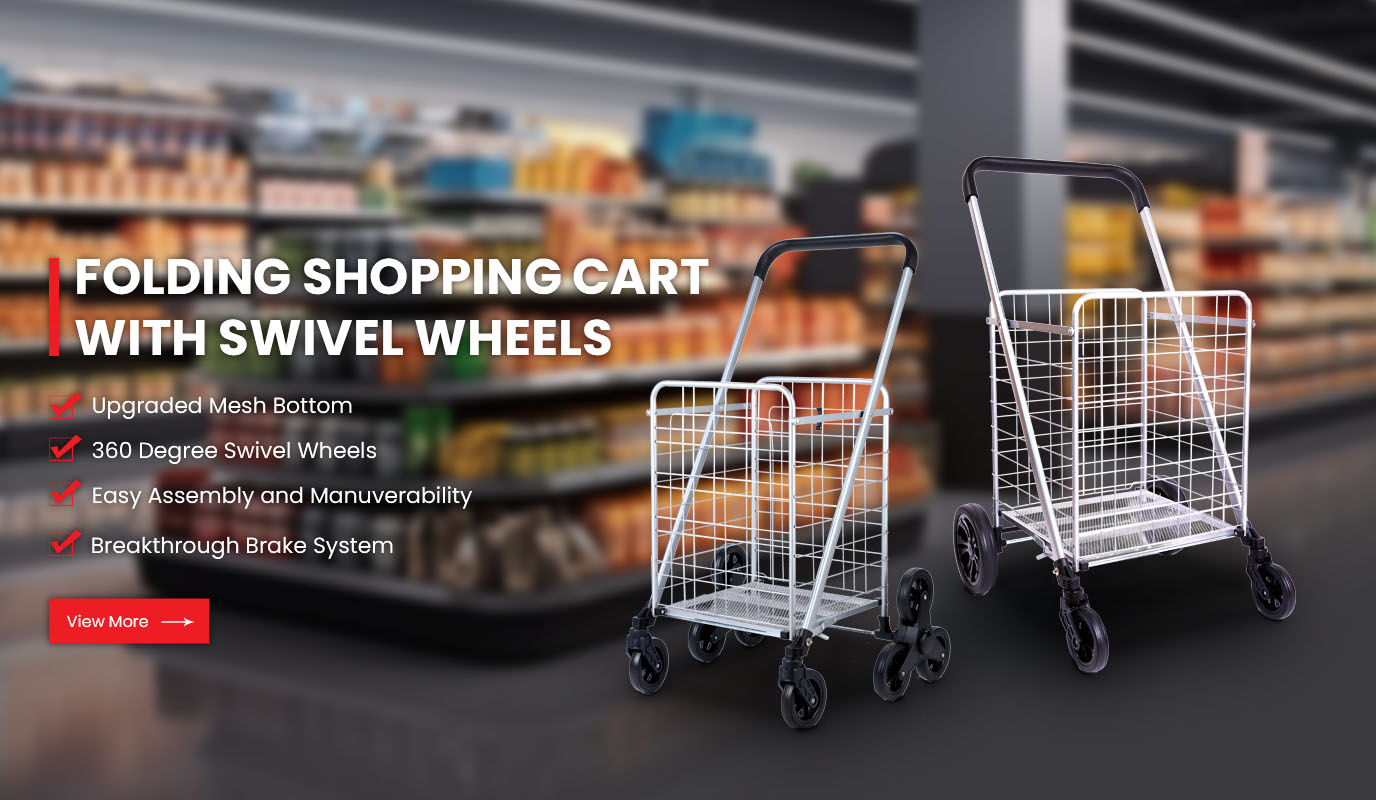
How to Improve Load Capacity for Outdoor Utility Trolleys?
Improving outdoor utility trolley load capacity requires optimizing frame strength, material selection, wheel performance, and load distribution. A well-designed trolley can transport heavier loads while maintaining safety and mobility.
What Factors Determine the load capacity of Outdoor Utility Trolleys?
The load capacity of an outdoor utility trolley depends on multiple structural and operational factors.
A trolley's maximum carrying ability is not determined only by the frame size. The entire system, including materials, joints, wheels, platform design, and weight distribution, affects performance.
The main factors include:
Frame structure: Determines the overall strength and resistance to deformation.
Material thickness: Influences the trolley's ability to support heavy loads.
Wheel capacity: Affects how much weight can be moved safely.
Platform design: Determines how weight is distributed across the trolley.
Manufacturing quality: Impacts long-term durability under repeated use.
For outdoor applications, load capacity must also consider environmental challenges such as uneven surfaces, weather exposure, and frequent transportation.
How Does Frame Design Improve Outdoor Trolley Load Capacity?
The frame is the core structure supporting the entire load.
A stronger frame design can improve stability and prevent deformation during heavy duty use.
Important design improvements include:
Reinforced Frame Structure
Additional support bars and optimized frame layouts can distribute weight more evenly.
This helps reduce stress concentration in specific areas and improves the trolley's overall strength.
Stable Platform Construction
A reinforced platform provides better support for heavy materials.
The platform should maintain rigidity when carrying:
Tools
Equipment
Boxes
Outdoor supplies
Industrial materials
Strong Connection Points
Welding quality and connection design directly affect structural reliability.
High-quality joints help the trolley withstand repeated loading and movement.
Which Materials Can Improve Outdoor Utility Trolley Capacity?
Material selection plays an important role in determining load performance.
Common materials include:
| Material | Load Performance | Suitable Applications |
|---|---|---|
| Carbon Steel | High strength and heavy load support | Industrial outdoor use |
| Stainless Steel | Strong with corrosion resistance | Wet or demanding environments |
| Aluminum | Lightweight with moderate strength | Mobile applications |
| Reinforced Plastic | Lightweight and moisture resistant | Light to medium duty use |
Carbon Steel Frames
Carbon steel is commonly selected for heavy duty outdoor trolleys because of its high structural strength.
Advantages include:
Strong load-bearing ability
Excellent impact resistance
Suitable for frequent transportation
Long service life with proper surface treatment
Stainless Steel Frames
Stainless steel combines strength with corrosion resistance.
It is suitable for environments where the trolley may encounter:
Rain
Humidity
Cleaning chemicals
Outdoor exposure
Aluminum Frames
Aluminum reduces trolley weight while maintaining practical strength.
It is suitable for applications where mobility and easy handling are important.
How Do Wheels Affect Outdoor Trolley Load Capacity?
The wheel system is a critical part of the trolley's total load performance.
A strong frame cannot perform effectively if the wheels cannot support the required weight.
Important wheel factors include:
Wheel Load Rating
Each caster wheel has a specific load capacity. The total trolley capacity depends on the combined strength of all wheels.
Wheel Size
Larger wheels can improve performance on outdoor surfaces such as:
Gravel
Grass
Uneven concrete
Outdoor pathways
Wheel Material
Different materials provide different advantages:
Rubber wheels improve shock absorption.
PU wheels provide wear resistance.
Heavy duty casters support higher loads.
Selecting the correct wheel system helps maintain stable movement under heavier loads.
How Can Load Distribution Improve Trolley Performance?
Even weight distribution is essential for safe transportation.
An uneven load can create additional pressure on:
Frame joints
Platform edges
Individual wheels
Handle connections
Better load distribution can be achieved through:
Centering heavy items on the platform
Using appropriate platform dimensions
Avoiding concentrated weight in one area
Selecting trolley sizes according to cargo requirements
A properly balanced trolley moves more smoothly and reduces component wear.
How Can Outdoor Utility Trolley Manufacturing Improve Load Strength?
Manufacturing processes directly influence the final performance of a trolley.
Important production factors include:
Material Processing
Accurate cutting, bending, and forming ensure structural consistency.
Welding Quality
Reliable welding improves frame strength and reduces failure risks during heavy use.
Surface Treatment
Outdoor trolleys require protective finishes to improve resistance against:
Rust
Moisture
Surface damage
Quality Inspection
Professional manufacturers usually evaluate:
Frame stability
Wheel performance
Load capability
Structural safety
These processes help ensure consistent performance for commercial applications.
What Design Features Help Outdoor Trolleys Handle Heavier Loads?
Beyond basic structure, several design features can improve load capacity.
Useful features include:
Larger Platform Area
A larger platform allows better weight distribution and supports bigger cargo volumes.
Reinforced Handles
Strong handles improve control when moving heavier loads.
Heavy Duty Casters
Industrial caster systems improve stability and transportation safety.
Protective Surface Coatings
Durable coatings help maintain structural performance in outdoor environments.
How Should Buyers Choose a High Load Capacity Outdoor Utility Trolley?
Before purchasing, buyers should evaluate:
Maximum required load
Select a trolley based on actual working requirements rather than occasional maximum usage.
Outdoor conditions
Consider weather exposure and surface conditions.
Transportation distance
Long-distance movement requires better wheels and ergonomic design.
Material requirements
Choose materials based on durability, maintenance, and environment.
Customization options
Professional manufacturers can provide customized frame structures, platform sizes, wheel systems, and load capacities.
Why Is Load Capacity Important for Outdoor Utility Trolley Performance?
A higher load capacity does not simply mean carrying more weight. It also represents better structural reliability, safer operation, and longer service life.
Outdoor utility trolleys with optimized frames, suitable materials, durable wheels, and balanced designs can improve transportation efficiency in demanding environments.
Selecting a reliable trolley manufacturer helps businesses obtain solutions that match specific load requirements and operating conditions
Previous:
Next: How to Compare Folding Carts and Fixed Frame Utility Carts?