



How to Compare Folding Carts and Fixed Frame Utility Carts?
Folding carts and fixed frame utility carts serve different transportation needs. Folding carts focus on space-saving convenience, while fixed frame carts provide stronger structure and higher load capacity for continuous commercial use.
What Is the Difference Between Folding Carts and Fixed Frame Utility Carts?
The main difference between folding carts and fixed frame utility carts is their design purpose.
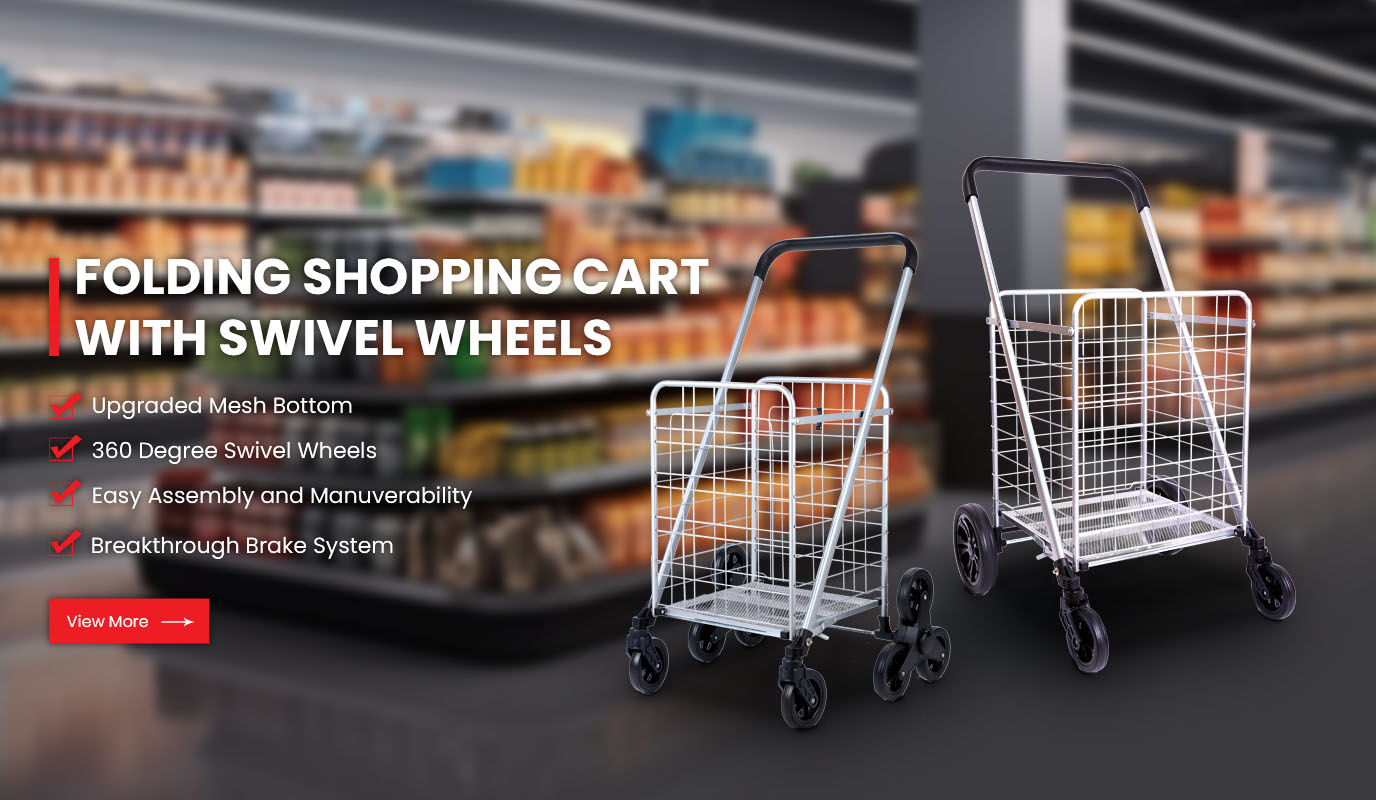
Folding carts are designed for flexibility and easy storage. Their collapsible structure allows users to reduce the cart size when it is not needed.
Fixed frame utility carts are designed for durability and frequent transportation. Their rigid structure provides stronger support for heavier loads and intensive working environments.
The choice depends on factors such as:
Available storage space
Transportation frequency
Load requirements
Working environment
Mobility needs
Understanding these differences helps businesses select the right cart for their daily operations.
How Do Folding Carts Improve Storage Efficiency?
The biggest advantage of folding carts is their space-saving design.
When not in use, the folding mechanism allows the cart to occupy less storage space. This feature is valuable for applications where storage areas are limited.
Common benefits include:
Easy storage in small spaces
Convenient transportation between locations
Reduced warehouse space requirements
Flexible usage for temporary tasks
Folding carts are often suitable for:
Retail stores
Offices
Events
Light warehouse operations
Personal and commercial transportation
For businesses with changing transportation needs, a foldable design provides additional flexibility.
What Advantages Do Fixed Frame Utility Carts Provide?
Fixed frame utility carts are built for strength and stability.
Their rigid construction allows them to handle heavier loads and withstand frequent daily operation.
Main advantages include:
Higher Load Support
A fixed structure provides better resistance against deformation when carrying heavy materials.
Better Long-Term Durability
Fewer moving structural components generally mean improved stability during continuous use.
Improved Transportation Stability
The solid frame helps maintain balance when moving larger or heavier loads.
Fixed frame utility carts are commonly used in:
Warehouses
Manufacturing facilities
Commercial buildings
Distribution centers
Which Cart Has Better load capacity?
load capacity is one of the most important differences between these two cart types.
| Feature | Folding Cart | Fixed Frame Utility Cart |
|---|---|---|
| Structure | Collapsible design | Rigid frame |
| Load Capacity | Suitable for light to medium loads | Suitable for medium to heavy loads |
| Stability | Good for flexible use | Higher stability |
| Storage | Excellent space saving | Requires fixed storage area |
| Heavy Duty Applications | Limited | More suitable |
For applications requiring frequent movement of heavy materials, fixed frame utility carts usually provide better performance.
Which Cart Is Easier to Move and Operate?
Mobility depends on both design and working conditions.
Folding carts usually provide convenience because they are lightweight and easy to transport between locations.
Fixed frame carts often provide smoother operation when carrying heavier loads because of their stronger wheel base and structural stability.
Important mobility factors include:
Wheel quality
Handle design
Cart weight
Load distribution
Floor conditions
A suitable wheel system can improve the performance of both folding and fixed frame carts.
How Do Folding and Fixed Frame Carts Perform in Different Applications?
Different industries have different transportation requirements.
Retail Applications
Retail stores often need carts that can move products while saving storage space.
Folding carts are suitable for:
Temporary stock movement
Small inventory transportation
Limited storage areas
Fixed frame carts are better for:
Frequent shelf replenishment
Warehouse-to-store transportation
Larger product loads
Warehouse Applications
Warehouses usually require higher durability and load capacity.
Fixed frame utility carts are commonly preferred because they support:
Heavy materials
Long-distance movement
Frequent daily use
Event and Temporary Applications
Folding carts are often more practical for events because they can be transported and stored easily.
They support:
Equipment movement
Display setup
Temporary logistics tasks
Which Cart Material Should Buyers Choose?
Material selection affects durability and performance.
Common materials include:
| Material | Folding Cart Applications | Fixed Frame Cart Applications |
|---|---|---|
| Steel | Medium duty folding models | Heavy duty transportation |
| Aluminum | Lightweight mobile carts | Commercial lightweight use |
| Plastic | Indoor and light applications | Service and retail environments |
Steel provides stronger support, while aluminum and plastic designs can reduce overall weight.
The best material depends on the balance between mobility, durability, and operating conditions.
Should Businesses Choose Folding Carts or Fixed Frame Utility Carts?
The decision depends on the main purpose of the cart.
Choose a folding cart when:
Storage space is limited
Transportation needs change frequently
Loads are moderate
Portability is important
Choose a fixed frame utility cart when:
Heavy loads are common
Daily usage frequency is high
Maximum stability is required
Long service life is a priority
There is no universal solution. The correct choice depends on the actual workflow and application environment.
What Should Buyers Check Before Ordering Utility Carts?
Before purchasing, buyers should evaluate:
Expected load capacity
Confirm that the cart can safely handle regular transportation needs.
Usage frequency
High-frequency operations usually require stronger structures.
Storage conditions
Consider whether folding capability provides practical advantages.
Wheel configuration
Select wheels based on floor type and movement requirements.
Customization requirements
Professional manufacturers can provide different sizes, materials, colors, and configurations.
Why Is Choosing the Right Cart Design Important?
Folding carts and fixed frame utility carts are designed for different operational needs.
Folding carts provide flexibility and storage efficiency, while fixed frame utility carts provide strength and durability.
By comparing structure, capacity, mobility, and application requirements, businesses can select transportation equipment that improves efficiency and delivers better long-term value.