


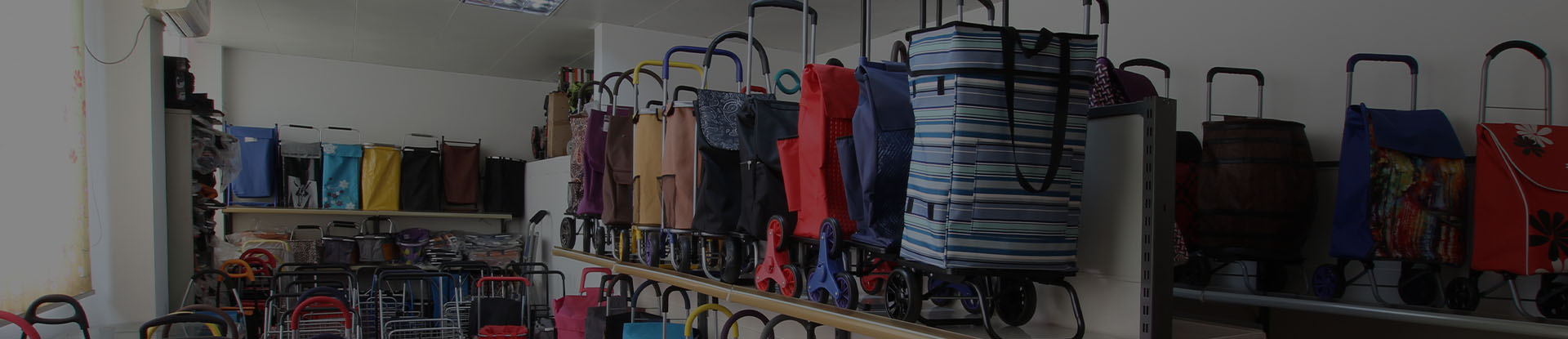
How to Select Lightweight Shopping Trolleys for Export Markets
Selecting lightweight shopping trolleys for export markets requires careful consideration of product structure, material performance, transportation efficiency, and market requirements. A lightweight trolley should not simply reduce weight. It must maintain durability, load capacity, user comfort, and long-term reliability during daily use.
For international markets, manufacturers need to balance several factors:
Lightweight construction
Strong frame design
Reliable wheel performance
Compact packaging
Material durability
Export compliance
As a professional shopping trolley manufacturer, WOCHANG has more than 20 years of manufacturing experience, exports products to more than 30 countries, and focuses on Shopping Carts, Shopping Baskets, Laundry Carts, and related products. The company also holds BSCI and SCAN certifications to support international supply requirements. (WOCHANG)
Understand The Market Application Before Choosing A Lightweight Trolley
Different export markets have different expectations for shopping trolley design.
Before selecting a product, manufacturers should consider:
| Market Application | Key Requirements |
|---|---|
| Urban retail | Lightweight and compact storage |
| Supermarkets | Strong structure and smooth movement |
| Outdoor markets | Weather-resistant materials |
| Household use | Easy folding and transportation |
| Elderly users | Comfortable handling and stability |
A lightweight shopping trolley should provide convenience without sacrificing performance.
For example, urban markets often require products that can be easily stored in apartments or transported on public vehicles, while supermarket applications require stronger structures for repeated daily use.
Choose The Right Lightweight Materials
Material selection is one of the most important factors affecting trolley weight and durability.
Common materials include:
| Material | Characteristics |
|---|---|
| Aluminum alloy | Lightweight, corrosion-resistant, strong |
| Steel | High strength and load capacity |
| PP plastic | Impact resistance and easy molding |
| Polyester fabric | Lightweight and durable bag material |
| EVA | Shock absorption and quiet wheel operation |
Aluminum alloy is widely used in lightweight trolley designs because it provides a good balance between strength and weight.
For example, WOCHANG aluminum shopping trolley models use aluminum alloy frames combined with PP, EVA, and polyester components. These structures provide lightweight handling while maintaining practical carrying performance. (WOCHANG)
Balance Weight Reduction And Load Capacity
Reducing weight is important, but export-quality shopping trolleys must still support practical loads.
A professional manufacturer should evaluate:
Frame thickness
Joint strength
Wheel capacity
Bag structure
Overall balance
| Design Factor | Impact |
|---|---|
| Lightweight frame | Easier transportation |
| Reinforced joints | Improves durability |
| Strong wheels | Supports daily operation |
| Stable folding system | Improves product lifespan |
A trolley that is too light may feel unstable, while an overly heavy structure reduces user convenience and increases shipping costs.
The goal is optimized weight, not simply the lowest possible weight.
Wheel Design Is Critical For Export Applications
The wheel system directly influences user experience.
Important wheel factors include:
Wheel diameter
Material selection
Bearing structure
Rotation flexibility
Load capability
Different export markets may require different wheel solutions.
| Environment | Suitable Wheel Features |
|---|---|
| Indoor shopping centers | Quiet and smooth wheels |
| Outdoor markets | Larger wheels with better impact resistance |
| Uneven roads | Stronger wheel structure |
| Heavy loads | Higher capacity bearings |
A lightweight shopping trolley still requires reliable wheels because wheels carry most of the operating pressure during transportation.
WOCHANG develops different trolley structures with practical wheel systems for shopping, outdoor, and household applications. (WOCHANG)
Consider Folding And Packaging Efficiency
For export markets, product packaging directly affects transportation costs.
A lightweight trolley with a compact folding structure provides advantages in:
Container loading efficiency
Warehouse storage
Retail display
Consumer storage
Manufacturers should evaluate:
| Packaging Factor | Benefit |
|---|---|
| Foldable design | Reduces storage volume |
| Compact structure | Improves shipping efficiency |
| Stable packaging | Prevents transportation damage |
| Optimized carton size | Reduces logistics costs |
A professional OEM manufacturer should consider packaging design during product development rather than after production.
Manufacturing Process Overview
Lightweight shopping trolley production requires precise manufacturing control.
The process generally includes:
Material Preparation
Factories inspect:
Aluminum or steel specifications
Plastic component quality
Fabric performance
Wheel components
Frame Manufacturing
Main processes include:
Cutting
Tube bending
Welding
Surface treatment
Component Assembly
Including:
Wheel installation
Handle assembly
Bag attachment
Folding mechanism adjustment
Final Inspection
| Inspection Stage | Quality Focus |
|---|---|
| Material inspection | Confirm specifications |
| Frame testing | Verify strength |
| Folding test | Ensure smooth operation |
| Wheel testing | Check movement |
| Final inspection | Maintain consistency |
A complete manufacturing process helps maintain stable quality across large export orders.
Manufacturer Vs Trader: Why Factory Experience Matters
When selecting lightweight shopping trolleys for export markets, working with a manufacturer provides stronger control over product quality.
A manufacturer can directly manage:
Material selection
Product engineering
Production processes
Quality inspections
Custom development
A trader usually relies on external suppliers, which may limit control over:
Design changes
Material adjustments
Production scheduling
Quality improvement
Direct cooperation with a factory is especially valuable for customized export projects.
WOCHANG specializes in manufacturing shopping carts, baskets, laundry carts, and related products with more than 20 years of industry experience. (WOCHANG)
OEM And ODM Process For Export Shopping Trolleys
Different markets often require customized product solutions.
A professional OEM and ODM process includes:
Requirement Analysis
Manufacturers confirm:
Target market
Product application
Load requirements
Material preferences
Product Development
Possible customization includes:
Frame design
Wheel system
Bag size
Folding mechanism
Color options
Sample Testing
Manufacturers evaluate:
Product weight
Structural strength
User operation
Packaging performance
Mass Production
Production focuses on:
Stable specifications
Consistent quality
Delivery reliability
WOCHANG supports customized shopping trolley development according to different market requirements. (WOCHANG)
Bulk Supply Considerations For Export Markets
Large-volume export projects require more than competitive pricing.
Important evaluation points include:
| Factor | Importance |
|---|---|
| Production capacity | Supports delivery schedules |
| Material supply | Maintains consistency |
| Quality control | Reduces batch differences |
| Packaging system | Protects products |
| Export experience | Reduces shipping risks |
A reliable manufacturer should provide stable production capability for repeat orders.
Export Market Compliance And Quality Standards
Different countries may have different expectations for product quality and manufacturing practices.
Important considerations include:
Material requirements
Packaging standards
Product inspection
Documentation preparation
Ethical manufacturing requirements
WOCHANG holds BSCI and SCAN certifications and has experience supplying products to international markets, especially North America, Europe, and Southeast Asia. (WOCHANG)
Project Sourcing Checklist For Lightweight Shopping Trolleys
Before selecting a supplier, consider:
| Evaluation Item | Key Question |
|---|---|
| Product weight | Is the trolley easy to handle? |
| Frame structure | Is it strong enough for daily use? |
| Materials | Are specifications clearly defined? |
| Wheels | Can they support expected conditions? |
| Folding design | Is storage efficient? |
| Quality control | Are inspections established? |
| Export ability | Can international requirements be supported? |
A detailed sourcing evaluation helps avoid quality issues and improves long-term cooperation.