



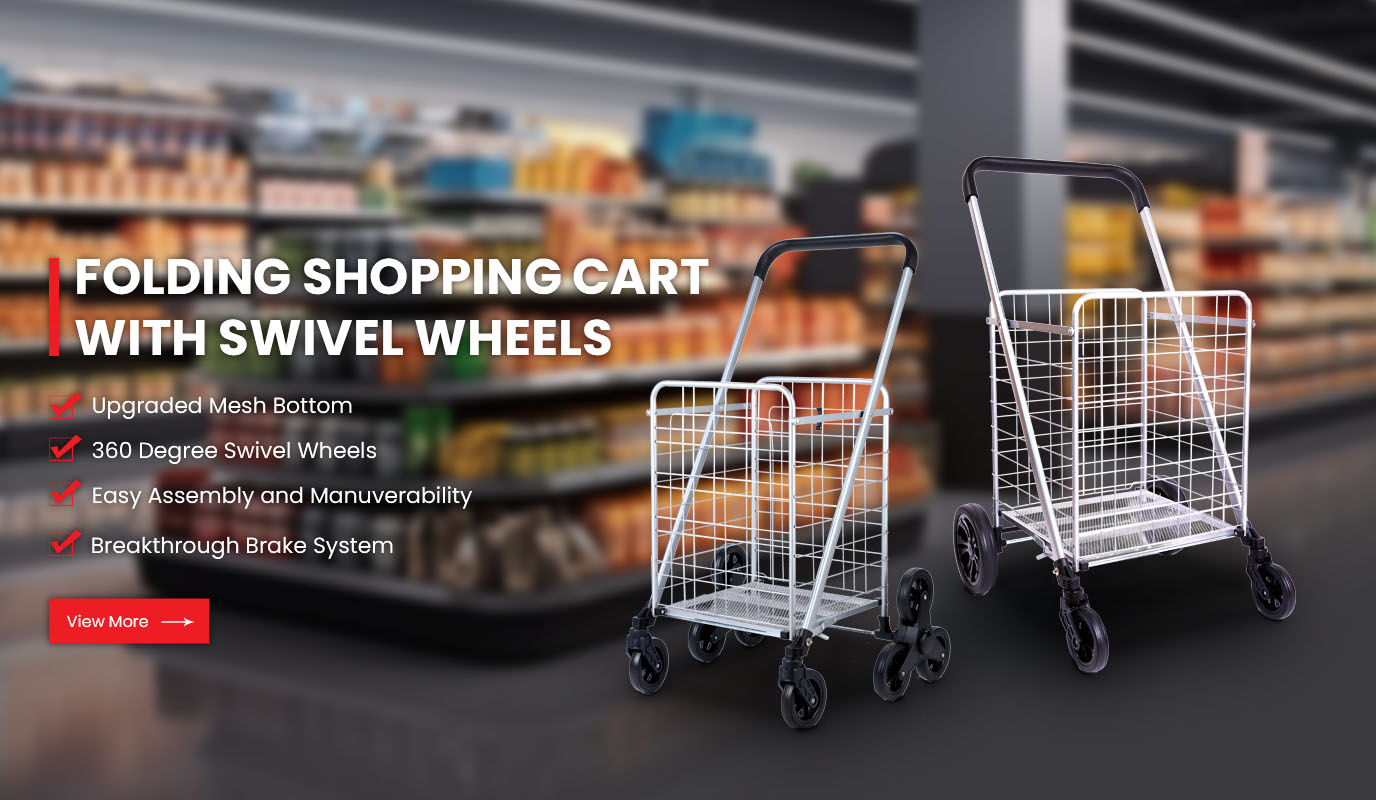
How to Communicate Custom Shopping Cart Requirements with a Factory?
Communicating custom Shopping Cart requirements clearly requires detailed specifications, application information, design expectations, and production discussions. Effective communication helps factories create products that match market and operational needs.
Why Is Clear Communication Important for Custom Shopping Cart Projects?
Custom shopping cart projects involve more than changing product appearance. They may require adjustments to structure, materials, dimensions, functions, and production methods.
Poor communication can lead to:
Incorrect product specifications
Delayed development
Additional modification costs
Production misunderstandings
Quality differences
A successful customization process requires both the buyer and factory to have a clear understanding of the final product requirements.
What Information Should Buyers Provide to a shopping cart factory?
The more complete the project information, the easier it is for the factory to provide an accurate solution.
Important information includes:
Application Purpose
Factories need to understand how the shopping cart will be used.
Examples include:
Supermarkets
Retail stores
Shopping malls
Warehouses
Commercial facilities
Different applications may require different structures, capacities, and materials.
Target Market Requirements
Market conditions influence product design.
Buyers should communicate:
Customer preferences
Local usage habits
Retail environment
Required appearance style
Applicable standards
Understanding the target market helps factories recommend suitable solutions.
How Should Buyers Describe Shopping Cart Specifications?
Technical specifications are the foundation of custom production.
Important details include:
Cart Dimensions
Provide information about:
Overall size
Basket dimensions
Storage capacity
Folding or nesting requirements
Correct dimensions help ensure the cart fits the intended environment.
Load Capacity
Load requirements should be clearly defined.
Consider:
Average product weight
Maximum expected load
Frequency of use
Load capacity affects frame design, wheel selection, and material requirements.
Material Requirements
Buyers should specify preferred materials or performance expectations.
Common options include:
Steel frames
Stainless steel components
Plastic baskets
Different surface treatments
If specific materials are not required, factories can recommend suitable options based on application needs.
How Can Drawings and Samples Improve Communication?
Visual references are often more effective than text descriptions.
Useful materials include:
Product drawings
Reference images
Existing product samples
3D models
Brand guidelines
These references help factories understand:
Shape requirements
Structural details
Functional expectations
Appearance preferences
For complex custom shopping carts, drawings and samples reduce design misunderstandings.
What Custom Features Can Be Discussed With a Factory?
shopping cart customization may involve different components.
Common customization areas include:
Basket Design
Options may include:
Basket size
Shape
Material
Storage layout
Frame Structure
Factories can adjust:
Frame dimensions
Reinforcement design
Handle structure
Folding mechanisms
Wheel System
Wheel selection affects:
Mobility
Noise level
Load performance
Floor compatibility
Branding Elements
Customization may include:
Logo placement
Color selection
Packaging design
How Should Buyers Discuss Production Requirements With a Factory?
Production discussions should cover both product expectations and manufacturing details.
Important topics include:
Prototype Development
Before mass production, buyers should confirm:
Sample requirements
Modification process
Approval procedures
Production Quantity
Factories need information about:
Order quantity
Expected repeat orders
Production schedule
This helps factories plan materials and production resources.
Quality Requirements
Quality expectations should be clearly defined.
Examples include:
Surface finish standards
Structural strength
Wheel performance
Packaging requirements
How Can Buyers Avoid Misunderstandings During Customization?
Clear documentation helps reduce communication risks.
Recommended practices include:
Create a Product Specification Sheet
A specification sheet should include:
Product dimensions
Materials
Functions
Colors
Components
Packaging details
Confirm Changes in Writing
Any design changes should be documented before production.
This avoids differences between discussions and final manufacturing.
Review Samples Carefully
Sample approval should confirm all important details before bulk production.
How Does a Factory Evaluate Custom Shopping Cart Requirements?
A professional factory usually evaluates customization requests through several steps:
Review product requirements
Analyze manufacturing feasibility
Recommend suitable materials and structures
Develop samples if required
Confirm specifications before production
This process ensures that the final product is practical for manufacturing and meets customer expectations.
What Should Buyers Ask a shopping cart manufacturer Before Custom Production?
Before starting a custom project, buyers should ask:
Can the factory support OEM shopping cart production?
What customization options are available?
Can the factory provide samples before bulk production?
What materials and processes are recommended?
How is quality controlled during manufacturing?
What is the expected production timeline?
Clear communication helps both sides create a more efficient development process.
Why Is Factory Communication Important for Custom Shopping Cart Success?
Custom shopping cart projects require cooperation between product requirements and manufacturing expertise.
When buyers provide detailed specifications, application information, and design expectations, factories can develop more accurate solutions.
Effective communication reduces production risks, improves product quality, and helps create shopping carts that better match specific market requirements.