


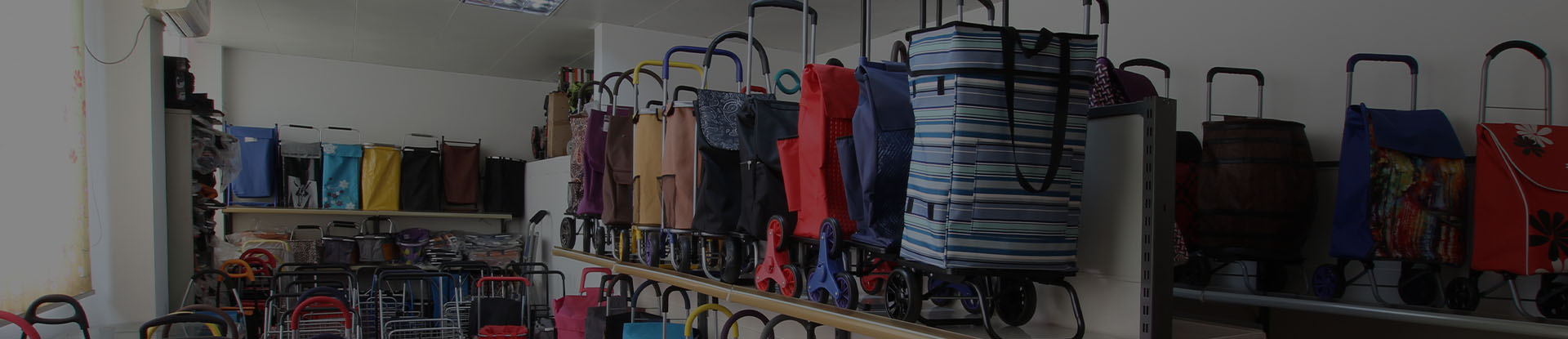
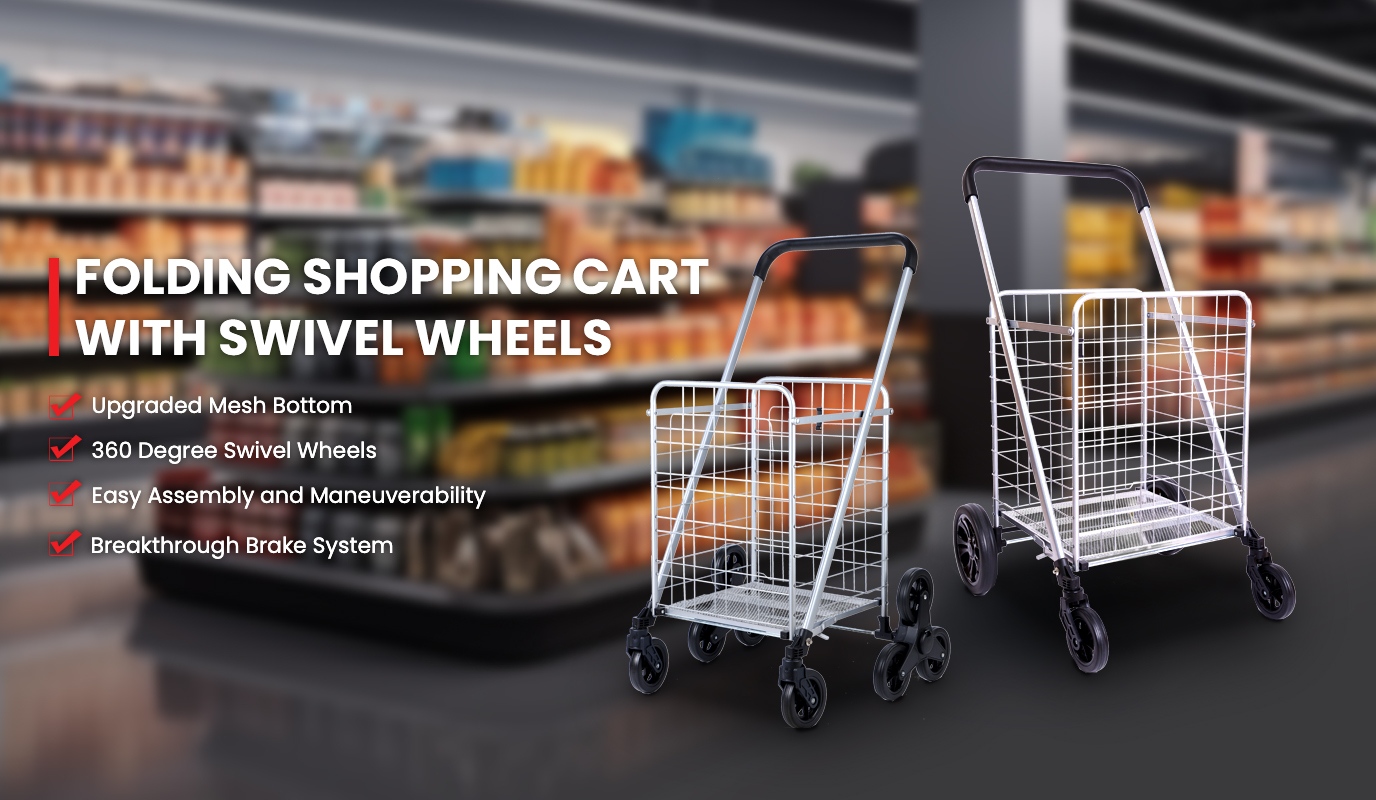
How to Choose Laundry Carts for Commercial Laundry Projects
Commercial laundry projects require equipment that can handle continuous movement, heavy loads, and frequent daily operation. Whether used in hotels, hospitals, laundries, textile facilities, or industrial cleaning centers, Laundry Carts must provide reliable transportation efficiency and long-term durability.
Choosing the right laundry cart requires evaluating:
Load capacity
Material performance
Wheel system
Structural strength
Cleaning requirements
Customization capability
As a professional laundry cart manufacturer, WOCHANG has more than 20 years of manufacturing experience in Shopping Carts, laundry carts, baskets, and related transport products. The company exports products to more than 30 countries and focuses on product design improvement, quality control, and customized solutions for global markets. (WOCHANG)
Understand Different Commercial Laundry Applications
Before selecting a laundry cart, it is important to understand the working environment.
Different industries have different transportation requirements.
| Application | Recommended Laundry Cart Features |
|---|---|
| Hotels | Large capacity, smooth movement, easy cleaning |
| Hospitals | Hygienic materials and stable structure |
| Commercial laundries | Heavy-duty frame and high load capacity |
| Textile factories | Durable wheels and continuous operation design |
| Self-service laundry facilities | Flexible size and easy handling |
A hotel laundry operation may require frequent transportation between rooms and laundry areas, while an industrial laundry facility may prioritize higher capacity and stronger structures.
The correct laundry cart design improves workflow efficiency and reduces unnecessary handling time.
Select The Right Laundry Cart Material
Material selection directly affects durability, cleaning convenience, and service life.
Common laundry cart materials include:
| Material | Advantages |
|---|---|
| Metal frame | Strong structure and high load capacity |
| Fabric bag | Lightweight and flexible |
| Canvas material | Durable and practical |
| Plastic components | Easy cleaning and corrosion resistance |
For commercial environments, manufacturers need to balance:
Strength
Weight
Maintenance requirements
Operating frequency
Laundry carts used in humid environments should also consider corrosion resistance and material stability.
A professional manufacturer should select materials according to the actual application instead of using a single standard design for every project.
Evaluate Load Capacity And Structure Design
Commercial laundry carts often carry heavy loads every day, making structural design a critical factor.
Important design elements include:
Frame Strength
A strong frame helps prevent:
Deformation
Structural damage
Reduced service life
Cart Capacity
The capacity should match the operation scale.
| Project Type | Capacity Consideration |
|---|---|
| Small laundry facility | Compact and flexible carts |
| Hotel operation | Medium to large capacity carts |
| Industrial laundry | Heavy-duty large capacity carts |
Handle Design
Comfortable handles improve:
Operator efficiency
Movement control
Daily usability
A well-designed laundry cart should remain stable even under frequent loading and transportation.
Choose The Right Wheel System
Wheels directly affect the working efficiency of commercial laundry carts.
A suitable wheel system should provide:
Smooth movement
Stable direction control
Reduced pushing effort
Long service life
| Wheel Feature | Benefit |
|---|---|
| Strong wheel material | Better durability |
| Smooth rotation | Easier movement |
| Stable connection | Improved safety |
| Suitable size | Better load support |
For large laundry facilities, wheel performance becomes especially important because carts may travel long distances every day.
Manufacturing Process Overview
The quality of commercial laundry carts depends on controlled manufacturing processes.
Material Preparation
Factories inspect:
Raw material quality
Structural components
Fabric performance
Frame Production
Manufacturers control:
Welding quality
Frame dimensions
Structural strength
Assembly Process
Production teams check:
Wheel installation
Handle connection
Cart balance
Final Quality Inspection
| Inspection Item | Purpose |
|---|---|
| Load testing | Verify carrying ability |
| Wheel testing | Confirm movement performance |
| Frame inspection | Ensure structural stability |
| Surface inspection | Improve appearance |
| Packaging inspection | Prevent transportation damage |
A complete production system helps maintain consistent quality across repeated orders.
OEM And ODM Process For Laundry Cart Projects
Commercial laundry projects often require customized solutions based on facility layout and operating requirements.
A professional OEM and ODM process includes:
Requirement Analysis
Manufacturers evaluate:
Application environment
Required capacity
Material preference
Transportation distance
Product Development
Customization options may include:
Cart dimensions
Fabric materials
Frame design
Wheel configuration
Logo customization
Sample Testing
Samples should be evaluated for:
Load performance
Stability
Movement efficiency
Cleaning convenience
Mass Production
The factory manages:
Material consistency
Production schedules
Quality standards
Delivery requirements
WOCHANG provides laundry cart solutions with manufacturing experience and product development capability for different commercial applications. (WOCHANG)
Manufacturer Vs Trader: Why Factory Capability Matters
For commercial laundry projects, choosing a manufacturer provides better control over product quality and customization.
A manufacturer can directly manage:
Material selection
Production processes
Structural improvements
Quality inspections
Product adjustments
A trader usually depends on external suppliers, which may reduce flexibility in:
Design changes
Production tracking
Quality management
Custom solutions
Direct cooperation with a manufacturer allows better communication throughout product development and bulk supply.
WOCHANG specializes in manufacturing shopping carts, laundry carts, baskets, and related transport products with more than 20 years of experience. (WOCHANG)
Quality Control Checkpoints For Commercial Laundry Carts
Laundry carts operate in demanding environments, so quality control should cover every production stage.
Important checkpoints include:
| Quality Area | Inspection Focus |
|---|---|
| Materials | Confirm durability and consistency |
| Frame structure | Check strength and stability |
| Wheels | Verify smooth operation |
| Fabric components | Ensure durability |
| Final assembly | Maintain product reliability |
Quality control should not only focus on finished products but also monitor production processes.
Bulk Supply Considerations
For large commercial projects, supply capability is as important as product design.
Before selecting a supplier, evaluate:
| Factor | Key Question |
|---|---|
| Production capacity | Can the factory support project quantity? |
| Lead time | Can delivery schedules be maintained? |
| Quality consistency | Are repeat orders stable? |
| Customization | Can requirements be adjusted? |
| Packaging | Are products protected during shipping? |
A reliable manufacturer should provide stable production support for long-term project requirements.
Export Market Compliance
Commercial laundry equipment supplied internationally needs to meet different market expectations.
Important considerations include:
Product specifications
Material requirements
Packaging standards
Quality documentation
Manufacturing responsibility
WOCHANG holds BSCI and SCAN certifications and supplies products to international markets, especially North America, Europe, and Southeast Asia. (WOCHANG)
An experienced export manufacturer can better manage international requirements and provide consistent product delivery.
Project Sourcing Checklist
Before ordering laundry carts for commercial projects, consider:
| Checklist | Key Question |
|---|---|
| Application | Is the cart suitable for the working environment? |
| Capacity | Does it match daily laundry volume? |
| Material | Can it handle frequent use? |
| Wheels | Are they suitable for the floor conditions? |
| Structure | Is the frame strong enough? |
| Quality | Are inspection procedures available? |
| Customization | Can OEM requirements be supported? |
| Supply | Can production remain stable? |