


What Makes A Shopping Cart Factory Suitable for Long-Term Cooperation
Choosing a shopping cart factory for long-term cooperation requires more than checking product prices or reviewing existing models. A reliable manufacturing partner needs stable production capability, consistent quality control, flexible customization ability, and experience supporting different market requirements.
A professional shopping cart manufacturer should understand that carts are not only simple transportation tools. They need to handle repeated daily use, different load conditions, various environments, and strict export requirements.
WOCHANG has focused on Shopping Carts, shopping baskets, laundry carts, and related products for more than 20 years. With experience exporting to more than 30 countries, BSCI and SCAN certifications, and continuous product development capabilities, WOCHANG supports global customers with stable manufacturing solutions. (WOCHANG)
Manufacturing Experience Is The Foundation Of Long-Term Cooperation
A suitable shopping cart factory should have enough industry experience to understand product structure, material performance, and market requirements.
A factory with long-term experience can better control:
Product design improvement
Material selection
Production efficiency
Manufacturing risks
Quality consistency
According to industry research, manufacturing experience plays an important role in reducing production defects because mature factories usually have standardized processes and accumulated technical knowledge.
WOCHANG has more than 20 years of experience in manufacturing shopping carts and baskets, focusing on continuous design optimization and product improvement for global markets. (WOCHANG)
Manufacturer Vs Trader: Why Factory Capability Matters
When selecting a long-term partner, understanding the difference between a manufacturer and a trader is important.
A trader mainly focuses on product sourcing, while a manufacturer controls the complete production process.
| Comparison | Manufacturer | Trader |
|---|---|---|
| Product development | Direct engineering support | Limited adjustment ability |
| Material control | Direct management | Depends on suppliers |
| Customization | Flexible OEM/ODM support | Usually limited |
| Quality control | Factory inspection system | External inspection |
| Production schedule | Direct production planning | Depends on factories |
Working directly with a shopping cart manufacturer provides better control over:
Product specifications
Production timeline
Quality standards
Packaging requirements
Custom development
For long-term cooperation, manufacturing capability creates more stability than simply purchasing existing products.
Manufacturing Process Overview Of Shopping Carts
A professional shopping cart factory should have a complete production workflow.
The typical manufacturing process includes:
1. Material Preparation
Factories select suitable materials according to product requirements.
Common materials include:
Steel tubes
Aluminum alloy
PP plastic components
Polyester fabrics
EVA materials
Wheel components
Material selection directly affects:
Load capacity
Product lifespan
Weather resistance
User experience
2. Frame Production
The frame is the core structure of a shopping cart.
Production steps include:
Tube cutting
Bending
Welding
Surface treatment
Assembly
A stable frame structure ensures:
Better carrying capacity
Smooth movement
Reduced deformation
3. Component Assembly
Different products require different assembly processes.
For example:
Shopping carts require wheel installation and frame assembly
Shopping trolley bags require fabric attachment and handle installation
Laundry carts require basket structure and mobility testing
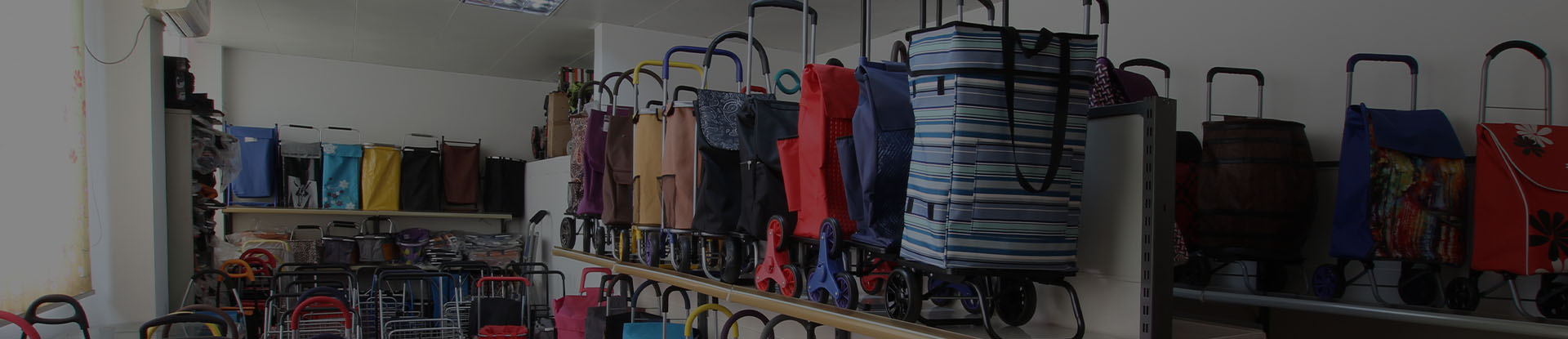
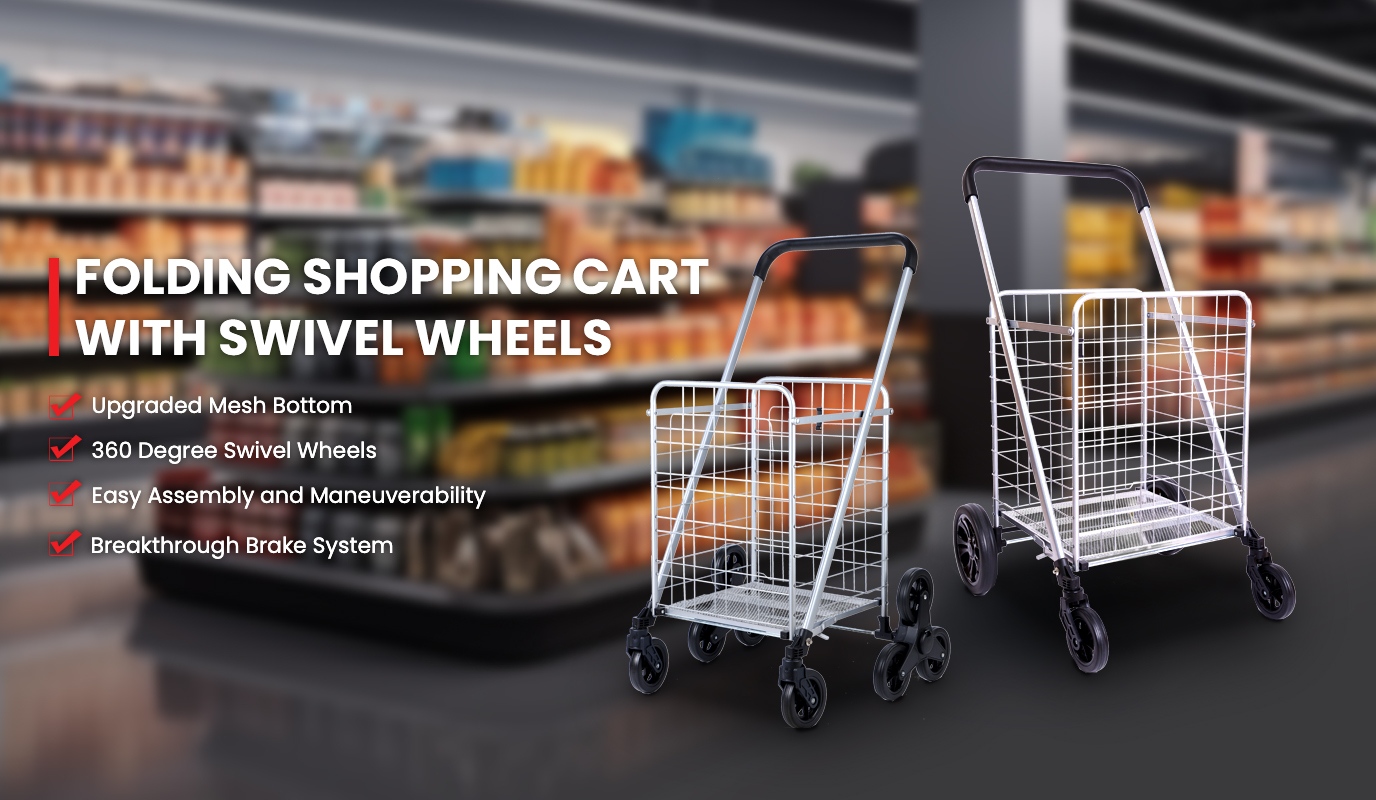
WOCHANG provides different product categories including shopping carts, foldable shopping carts, laundry carts, outdoor carts, shopping baskets, and shopping bags. (WOCHANG)
Quality Control Checkpoints For Reliable Supply
Quality consistency is one of the most important factors in long-term cooperation.
A professional factory should control every production stage.
| Production Stage | Quality Control Focus |
|---|---|
| Material inspection | Verify material specifications |
| Welding process | Check frame strength |
| Surface treatment | Prevent corrosion and improve appearance |
| Wheel testing | Ensure smooth movement |
| Assembly inspection | Confirm product structure |
| Final inspection | Verify overall quality |
Shopping carts are frequently used products, meaning small quality problems can affect customer experience.
A reliable factory should have preventive quality control rather than only checking finished products.
OEM And ODM Process Capability
Long-term cooperation often requires customized products rather than standard models.
A professional shopping cart factory should support OEM and ODM development.
The process usually includes:
Requirement Analysis
Confirm:
Product application
Target market
Material requirements
Load capacity
Design expectations
Engineering Development
Optimize:
Frame structure
Wheel system
Folding mechanism
Storage design
Product appearance
Sample Testing
Evaluate:
Function performance
Durability
Appearance
Packaging suitability
Mass Production
Maintain:
Same specifications
Stable quality
Consistent delivery
WOCHANG supports customized product development according to different market requirements, including design improvements and product solutions. (WOCHANG)
Material Standards Used In shopping cart manufacturing
Material quality directly influences product reliability.
Important material considerations include:
| Material | Application | Key Performance |
|---|---|---|
| Steel | Cart frames | Strength and durability |
| Aluminum alloy | Lightweight carts | Low weight and corrosion resistance |
| PP plastic | Baskets and components | Impact resistance |
| Polyester fabric | Shopping bags | Wear resistance |
| EVA | Wheel components | Shock absorption |
For example, aluminum shopping trolley products can combine lightweight structure with practical load capacity. WOCHANG aluminum trolley models use aluminum alloy frames with PP, EVA, and polyester components for different applications. (WOCHANG)
Bulk Supply Considerations For Shopping Cart Projects
A suitable factory should have the ability to support stable bulk supply.
Before cooperation, important factors include:
| Evaluation Item | Why It Matters |
|---|---|
| Production capacity | Ensures delivery stability |
| Quality system | Reduces batch differences |
| Material sourcing | Maintains product consistency |
| Packaging design | Protects products during transportation |
| Export experience | Reduces shipping risks |
Large-volume projects require predictable production, not only competitive pricing.
A factory with mature production management can better handle:
Repeated orders
Product upgrades
Seasonal demand changes
Market-specific requirements
Export Market Compliance And Cooperation Reliability
International markets often have different expectations for product quality, packaging, and ethical manufacturing.
A reliable shopping cart factory should understand:
Export documentation
Packaging requirements
Product inspection standards
Social responsibility requirements
WOCHANG holds BSCI and SCAN certifications, reflecting its commitment to manufacturing quality and responsible production practices. (WOCHANG)
Export experience also helps manufacturers understand differences between regions such as North America, Europe, and Southeast Asia. (WOCHANG)
Project Sourcing Checklist For Choosing A Shopping Cart Factory
Before establishing long-term cooperation, evaluate:
| Checklist | Key Questions |
|---|---|
| Manufacturing experience | Does the factory specialize in carts? |
| Product range | Can it support different categories? |
| Customization | Can OEM and ODM requirements be handled? |
| Quality control | Are inspection processes established? |
| Materials | Are specifications clearly controlled? |
| Export ability | Does the factory understand international markets? |
| Supply stability | Can production support long-term demand? |
A suitable factory should become a manufacturing partner rather than only a product supplier.