


How Much Does A Standard Metal Shopping Cart Cost
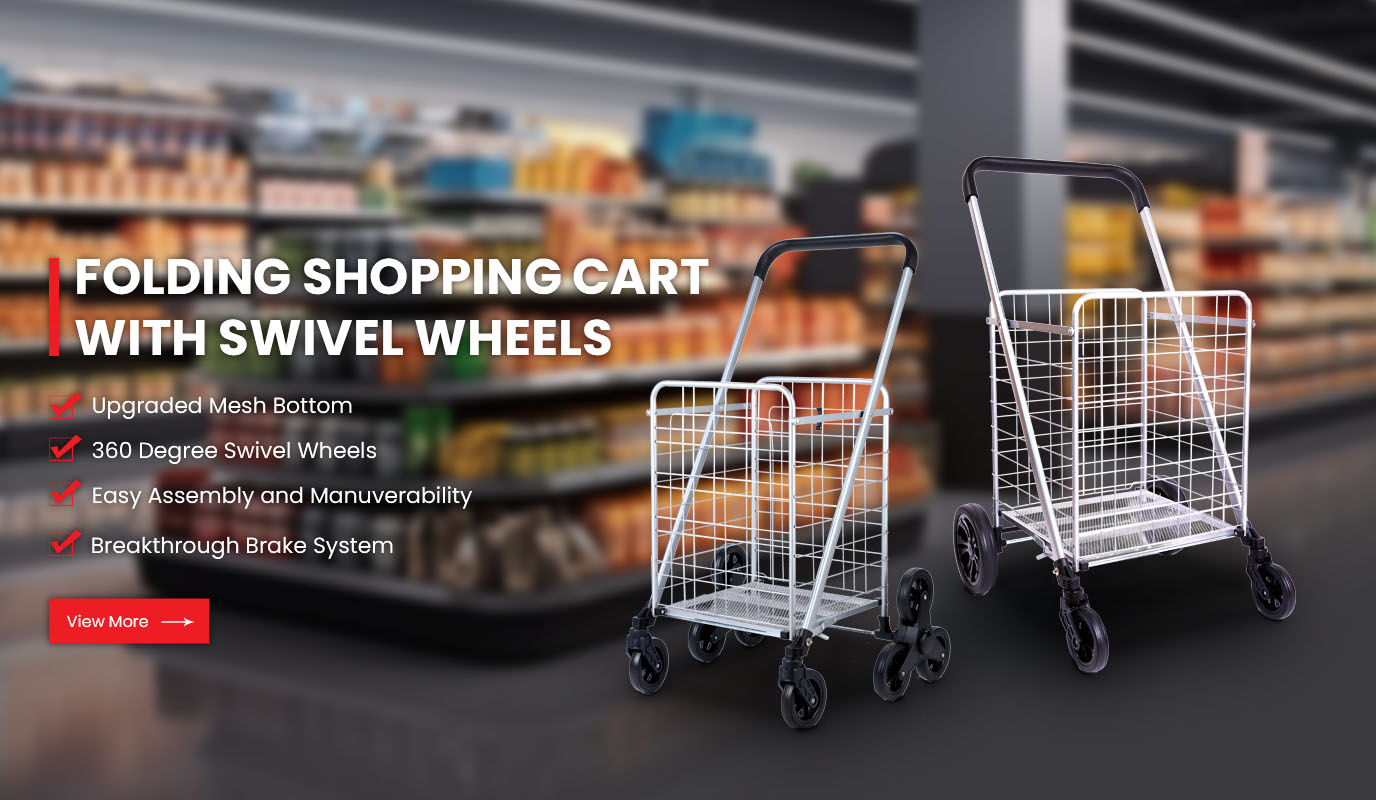
A standard metal Shopping Cart does not have one fixed price because cost depends on steel input, basket size, wheel system, surface finish, nesting structure, and order quantity. For bulk production, WOCHANG’s own industry article gives a practical benchmark for welded steel wire carts with zinc-plated or powder-coated surfaces at about $70 to $120 per unit in bulk. That range is a useful starting point for buyers comparing standard retail trolley programs rather than customized specialty models.
What drives the cost most
Material is the first major factor. Standard metal shopping carts are usually built from welded steel wire and steel tube, so market steel conditions directly affect quotation stability. OECD Steel Outlook 2025 says flat steel and rebar prices had fallen from earlier peaks and appeared to stabilize in early 2025, which helps explain why trolley pricing can improve or tighten depending on the timing of procurement. Surface treatment also matters. Zinc plating and powder coating both add corrosion resistance, but different finish requirements will change per-unit cost. ASTM notes that steel standards are used to classify and specify the material and mechanical properties of steel products, which is relevant when buyers review raw material quality instead of comparing price only.
Typical price comparison
| Cart type | Typical bulk range | Main cost driver |
|---|---|---|
| Standard metal shopping cart | $70 to $120 | Steel and finish |
| Plastic cart with metal frame | $80 to $150 | Molded parts and color options |
| Hybrid cart design | $90 to $160 | Mixed materials and customization |
These ranges come from WOCHANG’s own published cost guidance and reflect the reality that standard models are usually more cost-efficient than highly customized programs.
Manufacturer vs trader
When buyers compare a manufacturer with a trader, the real issue is cost control across repeat orders. A manufacturer can manage wire forming, welding, plating, powder coating, caster installation, and packaging more directly. That often reduces variation in dimensions, rolling performance, and finish quality. WOCHANG presents itself as a manufacturer with more than 20 years of experience and states that it holds BSCI and SCAN certifications. Its site also says it exports to more than 30 countries and has over 50 patented technologies, which strengthens supply reliability for long-term retail projects.
OEM and ODM cost considerations
For OEM and ODM orders, cost rises when projects require custom basket volume, brand color, handle design, wheel specification, child seat structure, coin lock compatibility, or export packaging upgrades. A sound process should include drawing confirmation, sample review, load target approval, finish confirmation, and final inspection. This helps prevent rework and protects bulk supply consistency. WOCHANG’s published content also describes controlled production workflows for both traditional and smart-ready trolley designs, showing that factory-based process control matters when customization is involved.
Project sourcing checklist
Before placing an order, buyers should check steel material standards used, coating consistency, wheel durability, nesting performance, weld quality, packaging method, certification records, and shipment volume planning. The lowest quote is not always the lowest total cost. A standard metal shopping cart becomes more competitive when the supplier can hold quality control checkpoints, repeat the same finish across batches, and support export market compliance without delays. WOCHANG’s direct manufacturing model makes that evaluation easier because buyers can review production capability, certification status, and bulk supply readiness from the factory side instead of relying only on a trading quotation.