



Strategic Logistics Planning For Retail Equipment Programs
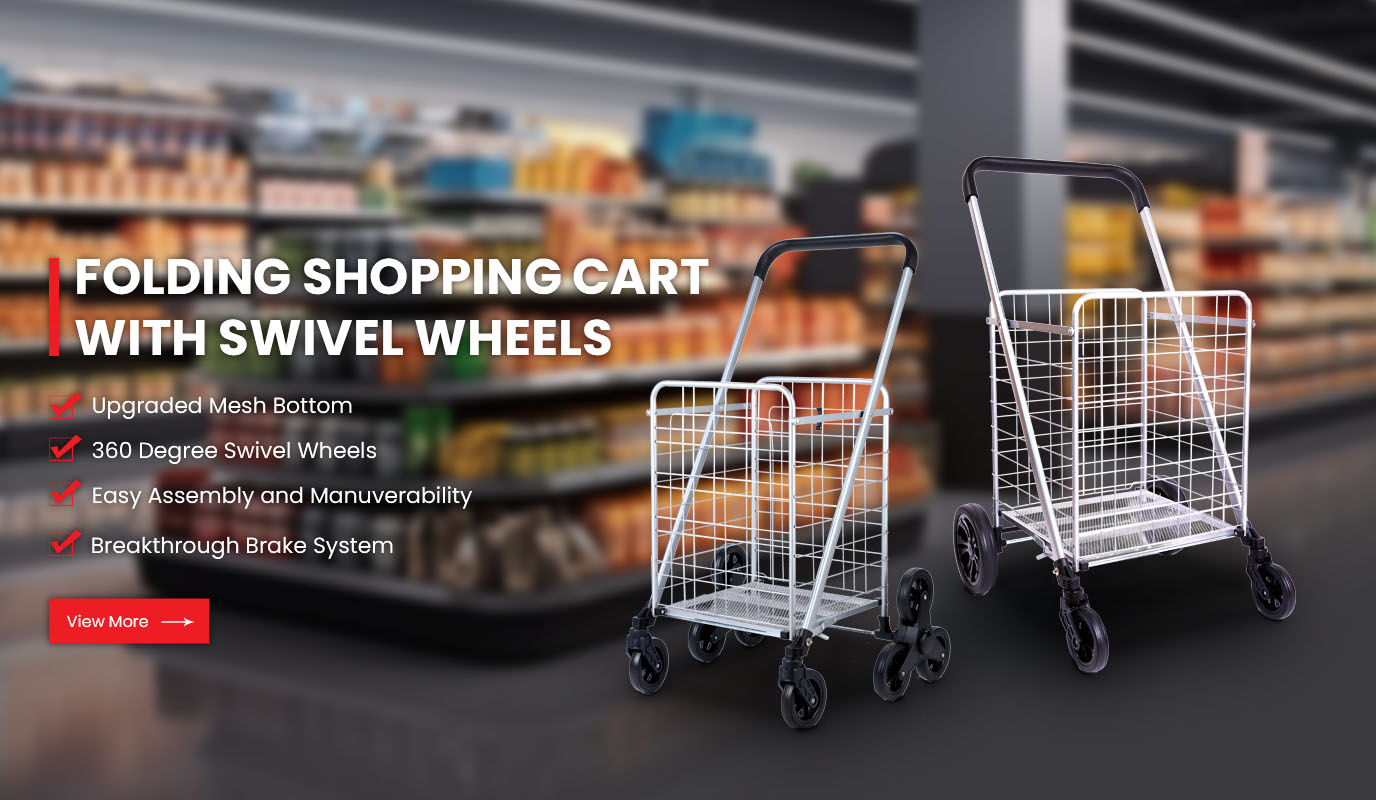
In international procurement, transportation and packaging strategy can significantly influence total landed cost. For bulky products such as shopping trolleys and Shopping Baskets, inefficient packing can increase container usage, raise freight charges, and create damage-related losses.
For manufacturers like WOCHANG, which exports retail mobility systems to more than 30 countries and operates under structured compliance systems such as BSCI and SCAN, packaging and shipment planning are integrated into production strategy rather than treated as a final-stage task.
Below are the key ways packaging and shipping methods can reduce international procurement costs.
1. Nesting Optimization To Maximize Container Utilization
Shopping trolleys are designed to nest. However, nesting depth must be engineered precisely to optimize container loading.
Cost-saving strategies include:
Controlled dimensional tolerances to ensure tight nesting
Consistent frame alignment to prevent stacking friction
Handle and basket geometry optimized for compact stacking
Container loading simulations before mass shipment
Even small dimensional deviations can reduce container loading efficiency. Manufacturer-level dimensional control supports predictable volume utilization.
2. Knock-Down And Modular Packaging Options
In some programs, partially assembled or knock-down packaging reduces freight volume.
This may include:
Detachable handles
Separate wheel packaging
Modular basket and frame shipment
Compact palletized stacking
Modular packing must be carefully engineered to avoid post-arrival assembly delays or structural misalignment.
3. Protective Packaging To Prevent Transit Damage
International shipping exposes goods to vibration, humidity, and compression. Damage during transit leads to replacement cost, claim handling, and delayed store deployment.
Cost-reduction measures include:
Reinforced carton protection at contact points
Protective spacers between nested frames
Moisture-resistant wrapping in humid routes
Secure wheel stabilization during transport
Preventive packaging design reduces hidden procurement costs associated with post-delivery maintenance.
4. Mixed-Container Strategy
For large retail rollouts, combining product categories in the same container reduces shipping overhead.
Examples:
shopping baskets + trolleys
Spare parts kits integrated into primary shipment
Accessory modules pre-packed with main units
Manufacturers capable of coordinating multi-product container planning can lower per-unit freight allocation.
5. Material Selection And Weight Efficiency
Lighter but structurally stable material design reduces shipping cost per unit.
Strategies include:
Optimized steel thickness without compromising strength
Balanced structural reinforcement
Lightweight wheel assemblies
Efficient component geometry
Engineering-level material optimization reduces freight cost while maintaining durability.
6. Production Scheduling And Freight Coordination
Freight costs fluctuate depending on seasonal demand and port congestion.
Reliable suppliers:
Align production schedules with shipping windows
Pre-book container space during peak seasons
Coordinate packing completion with vessel cutoff dates
Late production completion often results in premium freight charges.
Manufacturers with export experience manage packaging and freight coordination simultaneously.
7. Export Documentation Accuracy
Incorrect documentation can delay shipments and incur storage or demurrage charges.
Cost-reduction factors include:
Accurate HS classification
Consistent product coding
Clear packing list alignment
Proper labeling for customs inspection
Compliance-ready export processes reduce clearance delays.
8. Manufacturer vs Trader: Control Over Packaging Efficiency
When sourcing internationally, the difference between a manufacturer and a trader affects shipping cost control.
A manufacturer can:
Design packaging around product geometry
Optimize nesting depth at production stage
Adjust structural design to improve container loading
Maintain consistent packing procedures across batches
A trader often has limited influence over packaging design, especially when sourcing from multiple factories.
WOCHANG operates as a manufacturer, allowing direct control over structural design, packaging engineering, and container loading optimization.
9. Quality Control To Reduce Hidden Costs
Poorly executed packaging leads to deformation, coating damage, and wheel misalignment.
Quality checkpoints should include:
Nesting inspection before packing
Frame alignment verification
Protective layer placement confirmation
Carton compression testing
Final loading supervision
Reducing damage reduces warranty claims and operational disruptions.
10. Bulk Procurement Planning And Long-Term Cost Reduction
For multi-store rollouts, long-term logistics planning further reduces procurement costs:
Reserve production slots for repeated container shipments
Lock packaging configuration for consistent freight calculation
Plan spare parts shipment cycles
Consolidate shipments across store openings
Stable cooperation reduces emergency freight use and air shipment premiums.
Project Sourcing Checklist
Before confirming international trolley orders, buyers should verify:
Container loading quantity per model
Nesting tolerance control
Protective packaging design
Modular packing options if required
Documentation readiness
Lead time alignment with vessel schedule
Spare parts packing integration
Damage prevention strategy
Conclusion
Packaging and shipping methods directly influence international procurement costs. Optimized nesting, modular packing, protective materials, mixed-container planning, material efficiency, and export coordination all contribute to lower total landed cost.
Working with a manufacturer that controls product geometry, packaging engineering, quality checkpoints, and export scheduling provides buyers with greater cost predictability and reduced risk in large-volume international trolley procurement programs.