


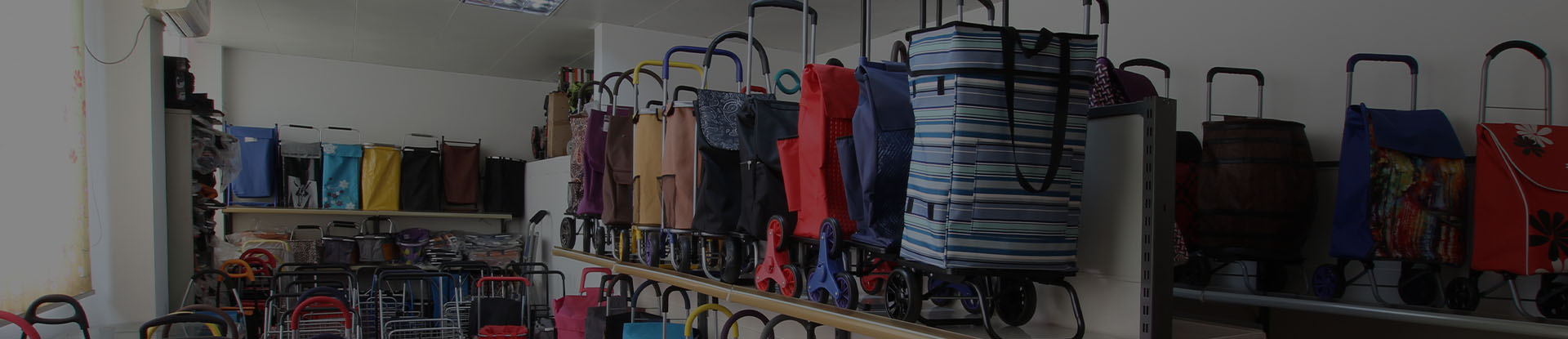
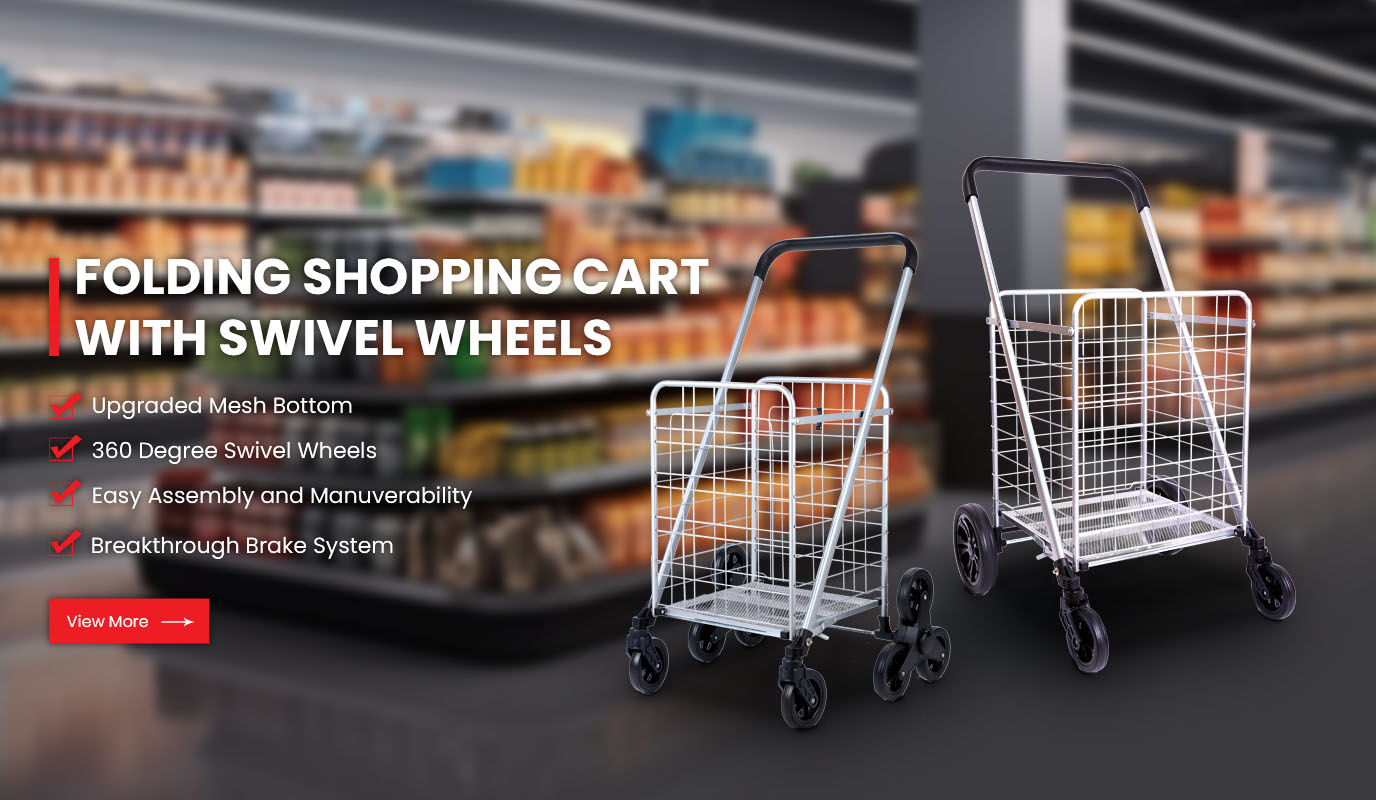
Shopping Baskets and shopping trolleys are not substitutes. In a well-run retail environment, they work as a paired system that guides customer flow, controls labor workload, and protects store assets. Baskets handle quick trips and narrow aisles. Trolleys handle higher basket sizes, larger basket values, and multi-category shopping. When retailers treat them as a system, they reduce congestion at entrances, improve checkout efficiency, and extend equipment service life.
WOCHANG is a manufacturer focused on Shopping Carts, shopping baskets, and related transport solutions, with more than 20 years of manufacturing experience, exports to over 30 countries, and over 50 patented technologies developed in-house. The factory also holds BSCI and SCAN certifications, which is relevant for retail groups that require ethical manufacturing and audit-ready supplier management.
Why Retailers Need Both Baskets And Trolleys
Trip type separation
Baskets match short, planned purchases and reduce “oversized trolley” usage in small baskets trips.
Trolleys support weekly stock-up behavior, bulky categories, and multi-stop shopping patterns.
Flow and space management
Baskets reduce aisle blockages and improve turning radius in tight areas.
Trolleys keep large orders stable, reducing product drops and store damage.
Checkout and labor balance
Baskets can be stacked and moved quickly by staff.
Trolleys reduce the number of “hand-carry” incidents that slow lanes and create shrink risks.
System Design: How They Should Work Together
A functional basket-trolley system usually includes four zones:
Entrance zoning
Baskets positioned for immediate grab-and-go
Trolleys staged slightly deeper to prevent entrance crowding
In-store conversion
Basket-to-trolley conversion points near high-volume categories
Add-on basket trolleys for customers whose basket “outgrows” the trip
Checkout return loop
Clear basket return stacks near exit paths
Trolley corrals aligned with staff collection routes
Backroom maintenance
Simple cleaning, wheel inspection, and spare parts storage
Fast replacement cycle for high-wear components
This is where manufacturing consistency matters. If basket dimensions or trolley nesting tolerances vary between batches, the system breaks: stacks jam, wheels wear unevenly, and store operations add manual work.
Manufacturer vs Trader: Why Retail Equipment Sourcing Is Different
Retail transport products look simple, but they are repetitive-use assets. The biggest operational risk is inconsistent batch quality.
A manufacturer can usually provide:
Stable design control for nesting, stacking, and compatibility
Repeatable welding, bending, and assembly processes
Defined QC checkpoints tied to production, not just final packing
OEM or ODM revisions with traceable change control for chain-store rollout
A trader may resell similar-looking products but often cannot guarantee:
Same steel grade and wire diameter across repeat orders
Same wheel performance standard between production lots
Same coating durability for stores with wet cleaning routines
WOCHANG positions itself as a manufacturer, offering shopping cart, shopping basket, Laundry Cart, Outdoor Carts, and related product lines, which supports “system sourcing” rather than single-item buying.
OEM / ODM Process For Basket And Trolley Programs
For chain stores, the best OEM workflow is a program approach:
Requirement definition
Store format and aisle width
Target basket volume and trolley capacity range
Nesting depth, stack quantity per rack, and entrance footprint limits
Noise control requirements for wheels and frames
Cleaning chemicals used on-site and coating expectations
Engineering and sampling
Dimensional drawings and tolerance lock
Compatibility check between basket stacks and trolley bases
Pilot sampling for turning radius, wheel noise, and stacking ergonomics
Pre-production verification
Confirm BOM stability
Confirm packaging that prevents deformation in transit
Confirm spare parts list for wheels, caps, handles, and bumpers
Mass production release
Batch traceability and inspection records
Container loading plan for bulk shipments
Manufacturing Process Overview For Steel Wire Retail Transport Products
A controlled factory workflow typically includes:
Wire forming and bending with fixed tooling
Frame welding with controlled penetration and repeatable jigs
Surface preparation before coating to improve adhesion consistency
Coating or finishing process matched to store cleaning conditions
Wheel assembly with alignment control to reduce wobble and uneven wear
Final assembly checks for nesting, stacking, and rolling performance
These steps are not interchangeable. The end-user “feel” of a trolley is often determined by alignment accuracy and wheel assembly discipline, not by appearance.
Quality Control Checkpoints That Protect Retail Operations
For basket-and-trolley systems, QC should be written around how the products are used:
Dimensional tolerance checks
Nesting clearance, handle position, stackability
Weld integrity checks
High-stress joints, corners, load-bearing intersections
Coating quality checks
Coverage uniformity, edge protection, scratch resistance
Wheel performance checks
Rolling smoothness, swivel response, noise level, fastener security
Functional checks
Basket stacking stability
Trolley tracking and straight-line roll
Anti-snag edge finishing to reduce product damage
A manufacturer with in-house process control is better positioned to keep these checkpoints consistent across repeat orders.
Material Standards Used In Retail Environments
Retailers usually evaluate materials from a lifecycle perspective:
Steel wire and tube structure selected for repeated dynamic loading
Coating chosen to handle frequent wiping and wet-floor exposure
Plastic components designed for impact resistance and long-term color stability
Wheels specified for floor type and expected daily kilometers of movement
The key is not only selecting the material, but ensuring the same material spec is maintained across every production batch.
Bulk Supply Considerations For Store Rollouts
When purchasing for multiple stores or phased openings, focus on:
Batch consistency for nesting and stacking compatibility
Packaging that protects geometry so products arrive ready-to-use
Spare parts planning for wheels and high-wear fittings
Lead-time stability to match store opening schedules
Mixed-container strategy when sourcing baskets, trolleys, and accessories as one program
WOCHANG’s export experience across multiple regions supports this type of rollout logic, where repeatability matters more than a single shipment.
Project Sourcing Checklist For Buyers
Use this checklist to reduce operational risk:
Confirm the store system design: entrance, conversion points, checkout return loop
Lock dimensions and tolerances for stacking and nesting
Confirm wheel specification against floor type and cleaning routine
Define coating requirements and corrosion expectations
Require QC checkpoints for welds, coating, and wheel performance
Confirm OEM branding needs: color, logo placement, packaging standard
Confirm shipment plan: carton strength, palletization, container loading method
Confirm compliance documentation readiness for the destination market
Export Market Compliance
For export programs, consistent documentation and packing discipline prevent delays:
Stable item codes and model naming across purchase cycles
Audit-ready factory management practices for retailers with compliance requirements
Packaging labels and carton markings aligned with import and warehouse processes
WOCHANG’s BSCI and SCAN certifications are relevant here because they align with common retail compliance expectations for ethical manufacturing and supply chain audits.
Conclusion
Shopping baskets and shopping trolleys work best when sourced and managed as one retail mobility system. The real performance drivers are compatibility, repeatable quality, wheel behavior, and coating durability under daily cleaning and high-frequency use.
Choosing a manufacturer with controlled production, OEM capability, bulk shipment experience, and defined QC checkpoints helps retailers maintain consistent store operations across multiple locations and repeat purchase cycles.