


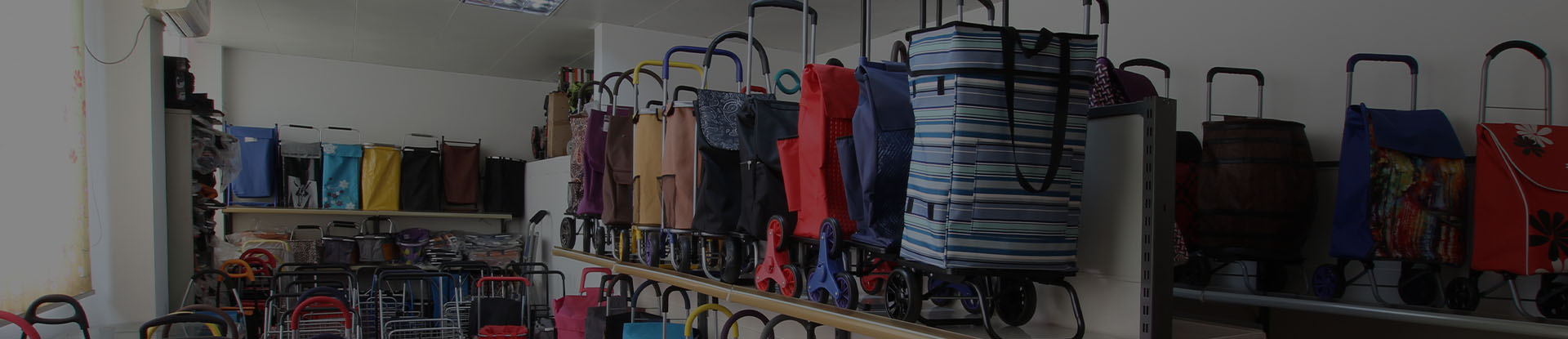
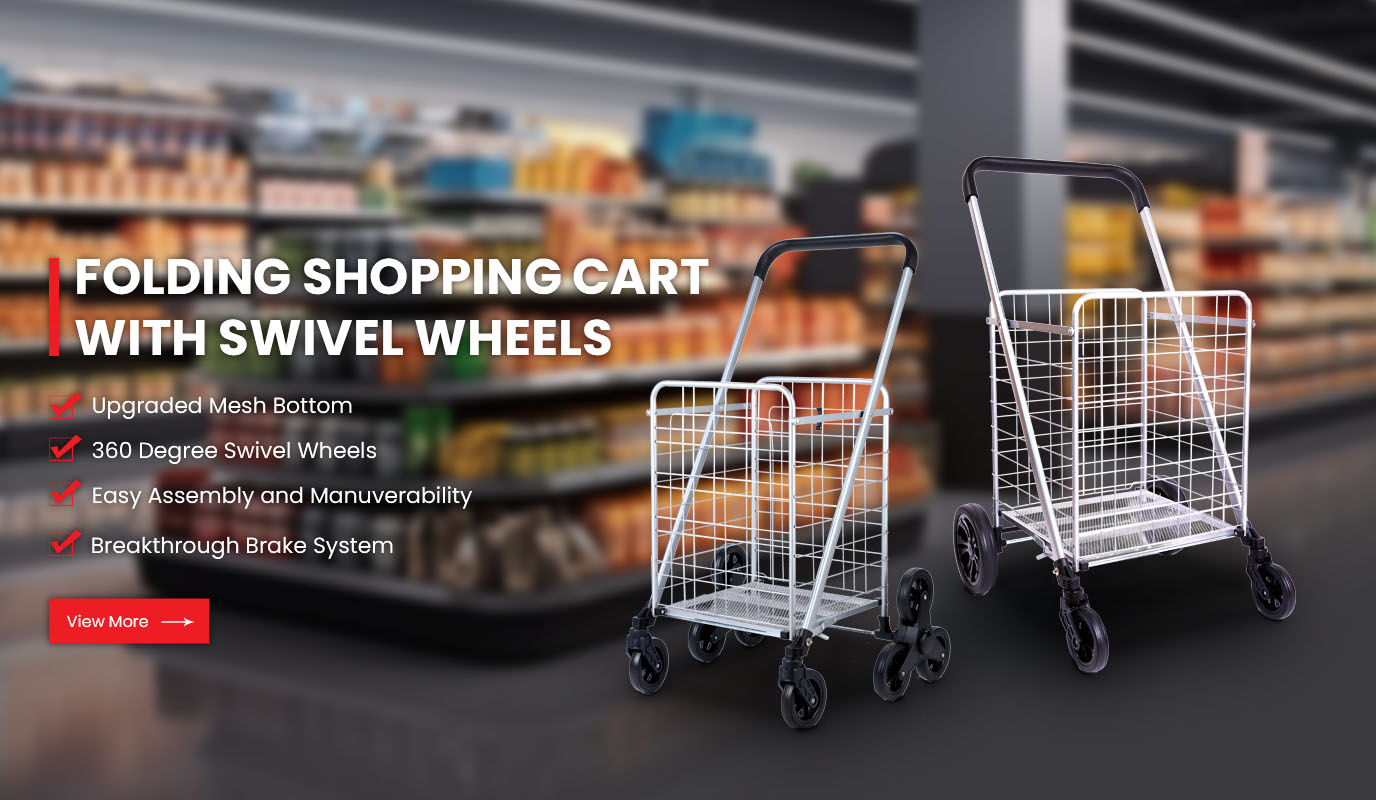
When overseas buyers source shopping trolleys, their decisions are driven less by appearance and more by long-term performance, reliability, and suitability for real usage environments. Whether the trolleys are intended for household use, retail support, community distribution, or last-mile delivery, buyers focus on how the product performs over time, across batches, and under repeated daily use. Understanding these key performance factors helps explain why some trolley suppliers are preferred in international markets.
As a manufacturer specializing in foldable Shopping Carts and trolley systems, WOCHANG aligns product development with the performance priorities most commonly evaluated by overseas buyers.
Structural Strength And Load Stability
Structural performance is one of the first factors buyers assess.
Overseas buyers typically evaluate:
Frame strength under rated load conditions
Resistance to bending or deformation
Stability when fully loaded and moving
Even load distribution across the base
A trolley that flexes or feels unstable under normal load is often rejected early in the sourcing process. WOCHANG focuses on balanced frame geometry and reinforced load-bearing points to maintain stability during use.
Wheel Performance And Mobility
Wheel performance directly affects user experience and product lifespan.
Key wheel-related considerations include:
Smooth rolling on indoor and outdoor surfaces
Stability on uneven ground or thresholds
Resistance to noise during movement
Long-term durability of wheel and axle assemblies
Overseas buyers often test wheel performance because it determines whether the trolley can be used comfortably in real environments such as sidewalks, residential corridors, or retail floors.
Folding Mechanism Reliability
For foldable shopping trolleys, the folding system is a critical performance component.
Buyers typically look for:
Smooth folding and unfolding action
Secure locking in both folded and unfolded states
Consistent alignment after repeated use
No excessive play in folding joints
A folding mechanism that degrades quickly can shorten the usable life of the entire trolley. WOCHANG designs folding structures with controlled joint tolerances to support repeated cycles.
Durability Under Repeated Use
Overseas buyers often evaluate trolleys based on expected service life rather than initial cost.
Durability assessments focus on:
Resistance to wear at stress points
Stability after long-term rolling and folding
Frame integrity under frequent daily use
Performance consistency over time
Products that maintain performance after extended use are more likely to qualify for long-term supply agreements.
Weight And Handling Balance
Handling comfort is increasingly important, especially in walking-based usage scenarios.
Buyers consider:
Overall trolley weight
Ease of lifting into vehicles or storage
Balance when pushing or pulling
Effort required to maneuver when loaded
A well-balanced trolley reduces user fatigue and improves acceptance in overseas consumer markets.
Basket Or Load Area Performance
The storage area affects both usability and durability.
Key factors include:
Load capacity of the basket
Resistance to sagging or deformation
Ease of cleaning
Compatibility with different item sizes
WOCHANG designs basket structures to support daily loads while maintaining shape and attachment stability.
Surface Finish And Corrosion Resistance
Overseas markets often expose trolleys to varied environmental conditions.
Buyers assess:
Resistance to rust or surface degradation
Durability of coatings under cleaning and moisture
Visual consistency across batches
A trolley that deteriorates quickly in appearance may be seen as low quality even if structurally functional.
Consistency Across Production Batches
For overseas buyers, repeatability is critical.
Performance consistency includes:
Uniform dimensions between units
Similar folding feel across batches
Consistent wheel alignment and rolling performance
Stable load behavior across shipments
WOCHANG emphasizes batch-level control to ensure that approved samples accurately represent future production.
Maintenance And Serviceability
Buyers also consider how easy it is to maintain the trolley.
Preferred features include:
Replaceable wheels or components
Accessible joints for inspection
Simple cleaning without disassembly
Lower maintenance requirements reduce total cost of ownership for buyers and end users.
Adaptability To Different Use Scenarios
Many overseas buyers serve multiple markets or customer groups.
They value trolleys that can adapt to:
Household shopping
Community or apartment use
Retail or light logistics tasks
Last-mile delivery applications
Modular and flexible designs increase product versatility and commercial value.
Supplier Reliability And Quality Control Capability
Beyond the product itself, buyers evaluate the manufacturer.
Key considerations include:
Ability to maintain quality over time
Clear production and inspection processes
Responsiveness to technical questions
Willingness to support long-term cooperation
WOCHANG aligns production control and quality management with these expectations to support stable overseas partnerships.
Conclusion
When sourcing shopping trolleys, overseas buyers focus on performance factors such as structural strength, wheel mobility, folding reliability, durability, handling balance, corrosion resistance, batch consistency, and maintenance efficiency. These factors directly affect user satisfaction, service life, and long-term sourcing risk.
Shopping trolleys designed with stable structures, reliable components, and controlled manufacturing processes—such as those produced by WOCHANG—are better positioned to meet overseas buyer expectations. By prioritizing real-world performance over short-term cost, buyers select trolley solutions that deliver consistent value across diverse international markets.