


How Are Shopping Trolleys Commonly Used in Everyday Life Across Overseas Markets?
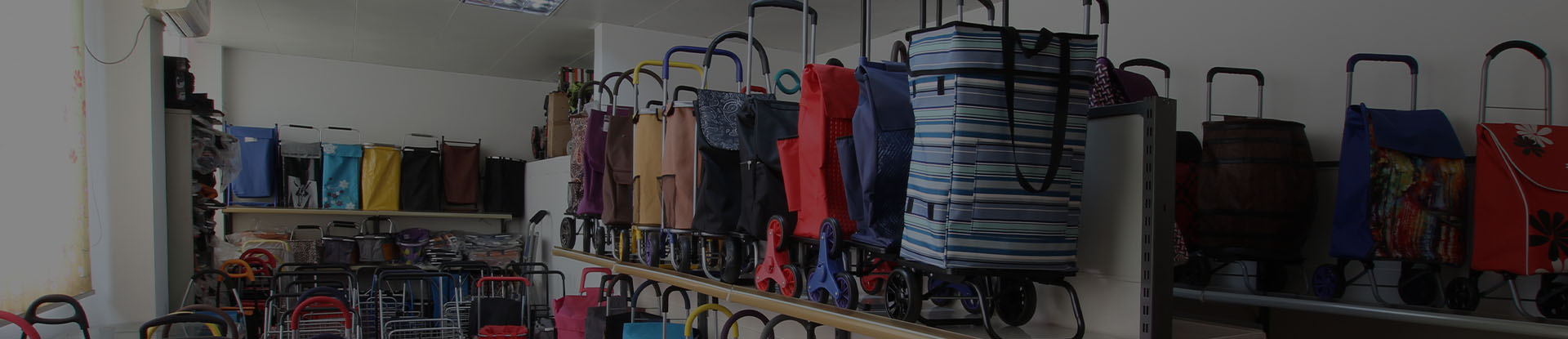
Shopping trolleys have evolved far beyond their original role as simple supermarket tools. Across overseas markets, they are now widely used in daily life for household transport, community shopping, light logistics, and mobility support. Differences in living environments, urban infrastructure, and consumer habits have shaped how shopping trolleys are used in various regions, driving demand for more flexible, durable, and user-friendly designs.
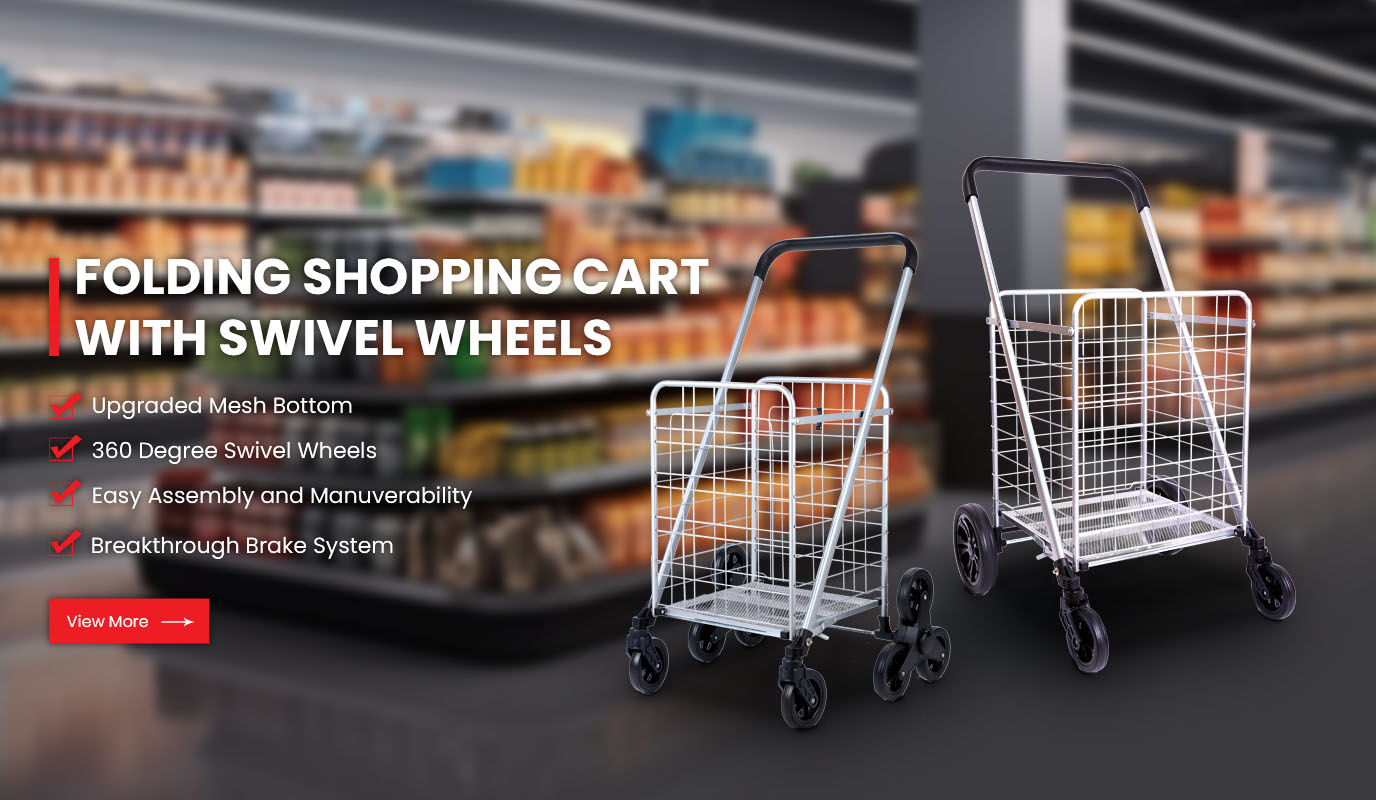
As a manufacturer of foldable Shopping Carts and trolley systems, WOCHANG closely observes overseas usage patterns and designs products that adapt well to real-life applications in different international markets.
Household Grocery Transport In Urban Areas
In many overseas cities, especially in Europe and parts of East Asia, shopping trolleys are a common household item.
Typical usage includes:
Walking to local supermarkets or markets
Carrying groceries over short to medium distances
Reducing the need for private car use
Navigating sidewalks, crossings, and residential streets
Foldable shopping trolleys are especially popular in dense urban areas where parking is limited and walking is part of daily routines.
Apartment And Community Living Applications
In overseas apartment-based living environments, shopping trolleys support daily convenience.
Common scenarios include:
Transporting groceries from parking areas to apartments
Moving items between shared facilities and living units
Carrying household supplies within residential complexes
Compact and foldable trolley designs fit well into elevators, corridors, and small storage spaces, making them practical for community living.
Support For Elderly And Mobility-Conscious Users
In many overseas markets with aging populations, shopping trolleys play an important support role.
They are often used to:
Reduce physical strain during shopping
Provide balance support while walking
Carry daily necessities safely and steadily
Lightweight frames, stable wheels, and ergonomic handles are particularly valued in these user groups.
Use In Local Markets And Street Shopping
Open-air markets remain common in many regions.
Shopping trolleys are frequently used for:
Carrying fresh produce and daily food items
Moving goods through uneven or crowded spaces
Handling multiple small purchases efficiently
Durable wheels and stable load distribution are essential for these environments.
Multi-Purpose Household Transport
Overseas consumers often use shopping trolleys beyond shopping.
Additional household uses include:
Transporting laundry to shared facilities
Carrying water bottles or bulk items
Moving household supplies within the home
This multi-purpose usage increases the importance of durability and adaptable design.
Application In Last-Mile Delivery And Community Distribution
In some overseas cities, shopping trolleys are integrated into local delivery workflows.
Common uses include:
Walking-based last-mile delivery routes
Community distribution points
Short-distance transport from vehicles to final destinations
Foldable and modular trolley designs support these flexible delivery models.
Use In Retail And Small Commercial Settings
Small retailers and service providers also use shopping trolleys.
Typical applications include:
Restocking shelves
Moving light inventory
Handling supplies within shops
Compact size and easy maneuverability make trolleys suitable for tight retail spaces.
Differences In Usage Across Regions
Usage patterns vary by region.
Examples include:
Europe: Emphasis on walking-based shopping and foldable carts
North America: Use for bulk household transport and community errands
Asia-Pacific: High demand for compact, lightweight, and multi-functional designs
WOCHANG adapts trolley designs to suit these regional preferences while maintaining core structural reliability.
Importance Of Foldable And Space-Saving Design
Across overseas markets, space efficiency is a shared priority.
Foldable shopping trolleys are valued because they:
Fit into small homes and apartments
Store easily in closets or vehicles
Reduce clutter when not in use
This makes foldable designs a standard expectation rather than a niche feature.
Role Of Durability In Daily Overseas Use
Because shopping trolleys are used frequently, durability is critical.
Overseas users expect:
Stable frames that withstand repeated use
Wheels that roll smoothly on mixed surfaces
Folding mechanisms that remain reliable over time
WOCHANG designs trolley structures with reinforced joints and consistent geometry to support daily use across diverse environments.
How Product Design Aligns With Overseas Lifestyles
Successful shopping trolley designs reflect real-life habits.
Well-adapted products typically offer:
Balanced weight for easy handling
Ergonomic control for long walks
Modular storage suited to different tasks
Simple maintenance for long-term ownership
WOCHANG incorporates these considerations into its foldable shopping trolley development to meet overseas lifestyle demands.
Conclusion
Across overseas markets, shopping trolleys are widely used for household grocery transport, apartment living, elderly support, local markets, multi-purpose household tasks, retail operations, and last-mile delivery. Their role in everyday life has expanded significantly, driven by urbanization, changing mobility habits, and demand for practical transport solutions.
Foldable Shopping Carts designed with compact structures, durable frames, smooth mobility, and user-oriented features—such as those produced by WOCHANG—are well suited to these diverse overseas applications. As lifestyles continue to evolve, shopping trolleys will remain an essential everyday tool across global markets.