


Why Is Modular Design Becoming More Important in The Shopping Trolley Industry?
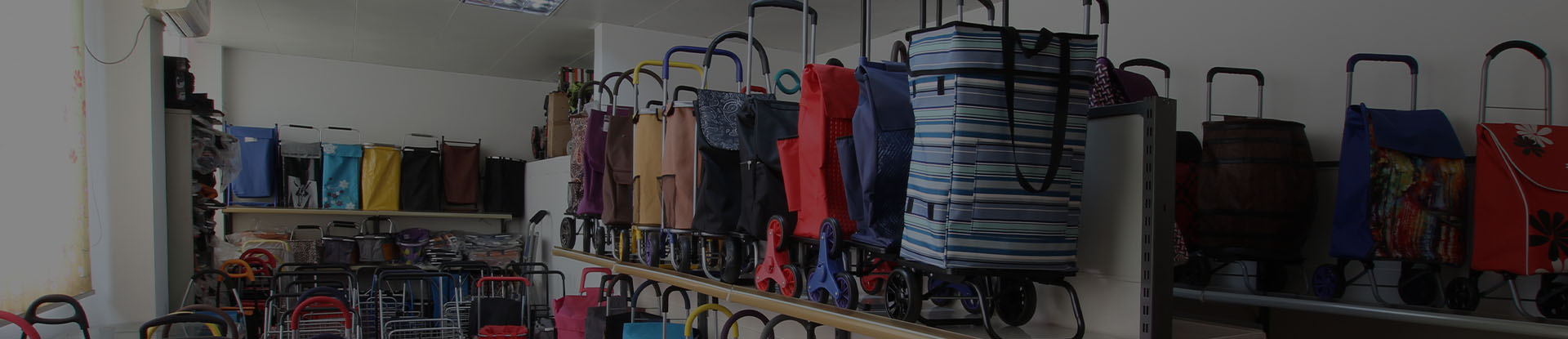
Modular design is becoming increasingly important in the shopping trolley industry as user demands, retail environments, and logistics requirements continue to evolve. Traditional one-piece trolley structures often lack flexibility, making maintenance, customization, and long-term cost control more difficult. In contrast, modular shopping trolleys are designed with interchangeable components, allowing manufacturers, distributors, and end users to adapt products more efficiently to different use scenarios.
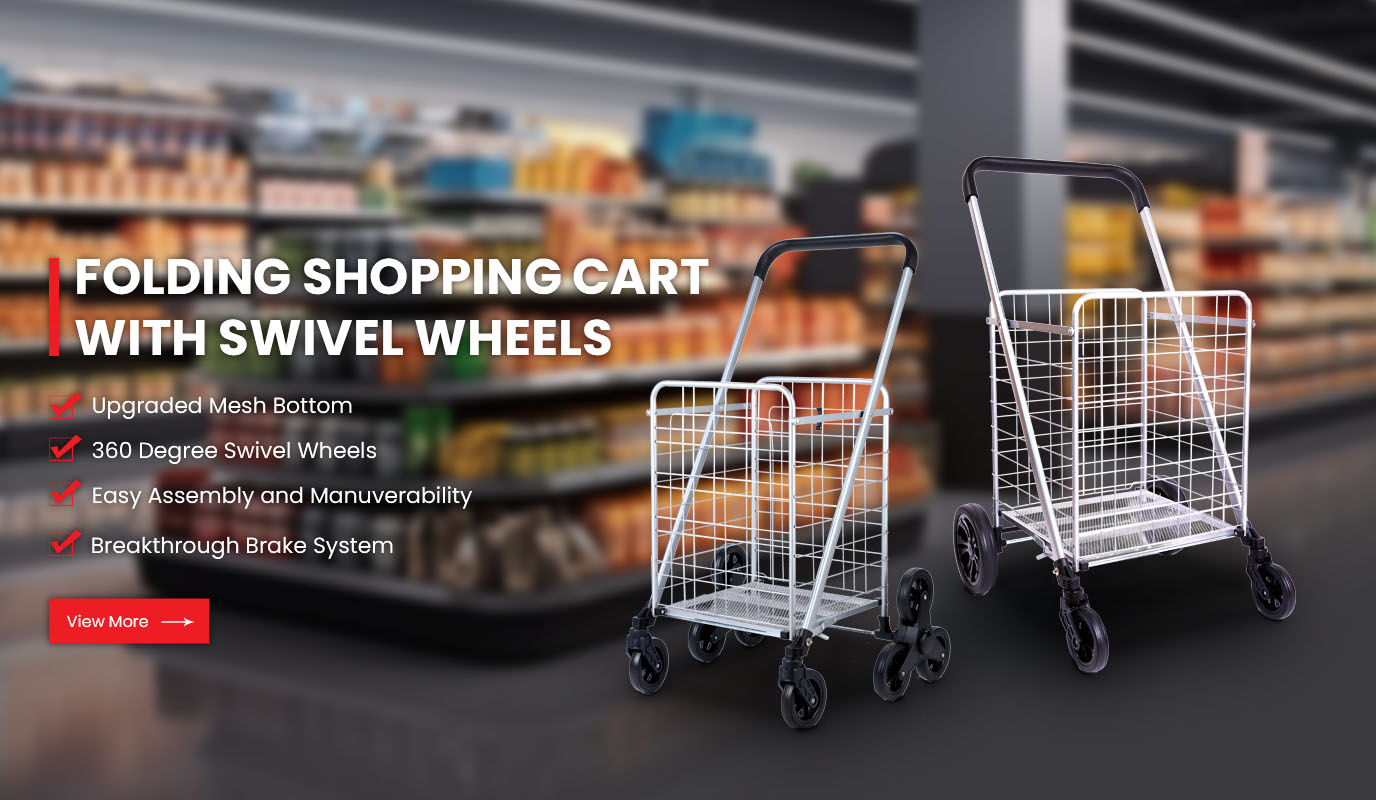
As a manufacturer focused on foldable Shopping Carts and trolley systems, WOCHANG has observed that modular design is no longer just an added feature but a practical necessity for meeting modern market expectations.
Changing Usage Scenarios Require Greater Flexibility
Shopping trolleys are no longer used only in supermarkets.
Today, they are widely applied in:
Household grocery transport
Apartment and community shopping
Retail stock handling
Light logistics and warehouse use
Urban and mobility-focused environments
Different scenarios require different basket sizes, wheel types, handles, and load capacities. Modular design allows one core trolley structure to be adapted to multiple use cases without redesigning the entire product.
Modular Design Simplifies Product Customization
Customization has become a key purchasing factor, especially for distributors and project buyers.
With modular design:
Basket materials can be changed without altering the frame
Wheel sizes or types can be selected based on surface conditions
Handles can be adjusted or replaced for different user needs
Accessories can be added or removed as required
WOCHANG develops trolley systems with standardized connection points, making it easier to configure products for different markets while maintaining structural consistency.
Easier Maintenance And Lower Long-Term Costs
Maintenance efficiency is a major advantage of modular shopping trolleys.
Modular structures allow:
Individual components to be replaced instead of the whole cart
Faster repairs with minimal tools
Reduced downtime for frequently used carts
Lower overall replacement costs
For users and commercial buyers, replacing a worn wheel or damaged basket is far more cost-effective than discarding the entire trolley.
Improved Durability Through Component Specialization
In modular designs, each component is optimized for its specific function.
This results in:
Stronger frames focused on load-bearing performance
Wheels designed specifically for rolling durability
Folding joints engineered for repeated movement
Baskets optimized for weight distribution and wear resistance
WOCHANG applies this approach to ensure that stress is not concentrated in a single structure, improving overall durability.
Better Adaptation To Different Markets And Regulations
Different regions and applications often have varying requirements.
Modular design helps manufacturers respond to:
Different size or capacity preferences
Varying environmental conditions
Market-specific usage habits
Regional safety or quality expectations
By adjusting modules instead of redesigning entire products, manufacturers can respond faster to market changes.
Support For Foldable And Space-Saving Structures
Foldable Shopping Carts rely heavily on precise structural balance.
Modular design supports foldability by:
Separating folding mechanisms from load-bearing frames
Allowing compact storage without compromising strength
Making folding components easier to maintain or replace
WOCHANG integrates modular folding systems that maintain smooth operation while supporting compact storage in home environments.
Streamlined Manufacturing And Inventory Management
From a production perspective, modular design offers clear advantages.
Manufacturers benefit from:
Standardized core components across multiple models
Reduced tooling changes
More efficient inventory management
Faster production adjustments
This efficiency helps stabilize product quality and supply consistency.
Sustainability And Reduced Material Waste
Sustainability is becoming more important across industries.
Modular shopping trolleys support sustainability by:
Reducing full-product replacement
Extending usable life through part replacement
Lowering material waste over time
Replacing individual modules is more environmentally responsible than discarding complete carts.
Enhanced User Experience Over Product Lifetime
From the user’s perspective, modular design improves long-term usability.
Benefits include:
Ability to upgrade parts as needs change
Consistent performance even after years of use
Easier maintenance without specialized tools
A trolley that adapts over time provides better overall value.
How WOCHANG Applies Modular Design Principles
WOCHANG designs Foldable Shopping Carts with modular thinking at the structural level.
Key design principles include:
Standardized frame geometry
Interchangeable wheel assemblies
Reinforced folding joints as independent modules
Basket systems that can be adapted or replaced
This approach allows WOCHANG products to meet diverse usage requirements while maintaining reliability and ease of maintenance.
Conclusion
Modular design is becoming increasingly important in the shopping trolley industry because it improves flexibility, customization, maintenance efficiency, durability, and sustainability. As usage scenarios diversify and buyers demand longer product lifespans with lower ownership costs, modular structures provide a practical solution that traditional one-piece designs cannot match.
Shopping trolleys developed with modular design principles—such as those produced by WOCHANG—are better equipped to adapt to changing needs, support long-term use, and deliver consistent performance. As the industry continues to evolve, modular design is set to become a standard rather than an option.