



What Is The Average Lifespan Of A Foldable Shopping Cart?
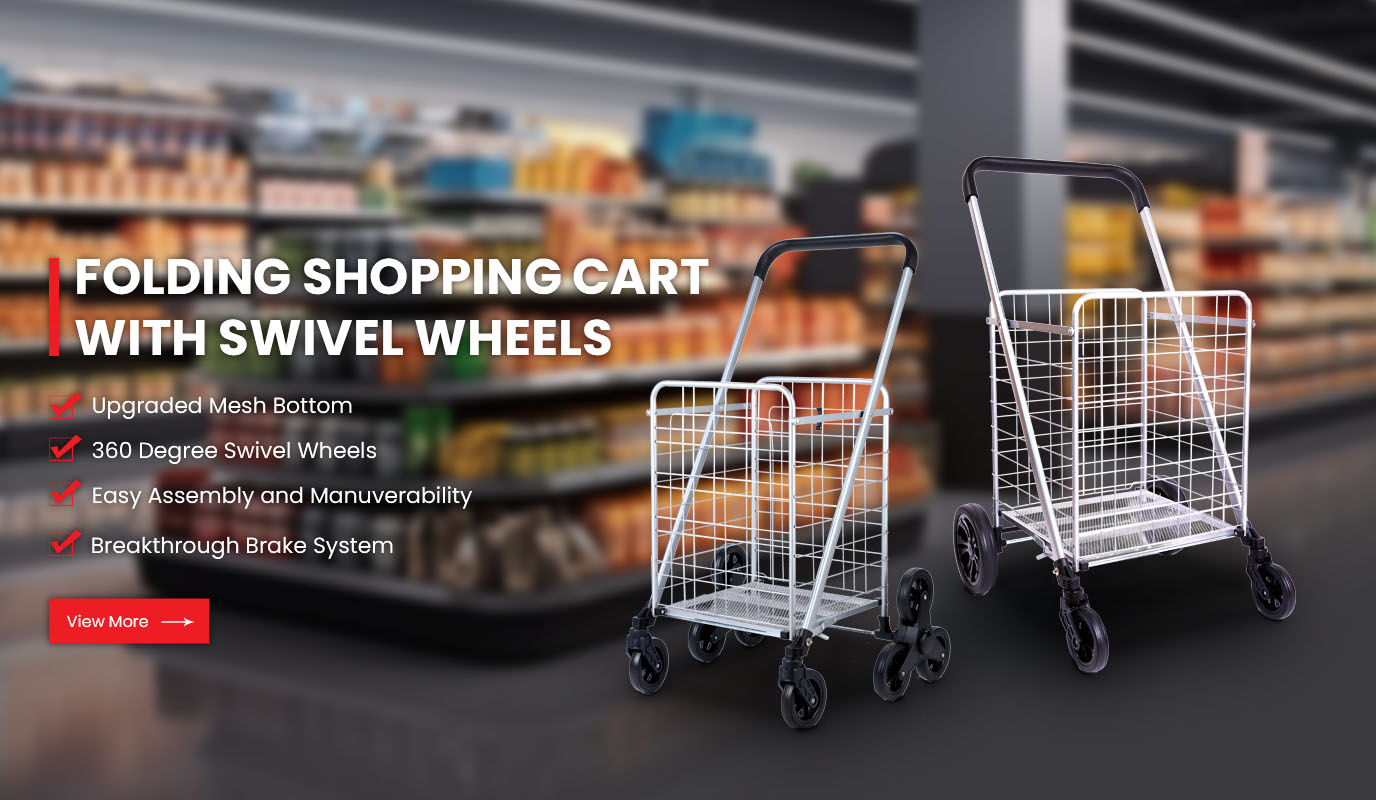
The average lifespan of a foldable Shopping Cart depends on its structural design, materials, usage frequency, load conditions, and maintenance practices. While foldable carts are designed for convenience and portability, they are also expected to withstand repeated folding, rolling, and loading in daily use. Understanding how long a Foldable Shopping Cart typically lasts helps buyers set realistic expectations and make informed purchasing and maintenance decisions.
As a manufacturer specializing in Foldable Shopping Carts and trolley systems, WOCHANG designs its products with durability-focused structures and practical materials to support long-term use in both household and light commercial environments.
Typical Lifespan Range Of A Foldable Shopping Cart
Under normal usage conditions, a quality foldable shopping cart typically lasts:
3 to 5 years for regular household use
2 to 4 years for frequent or semi-commercial use
Longer service life when properly maintained and not overloaded
This range assumes the cart is used within its designed load capacity and stored appropriately between uses.
Key Factors That Affect Foldable Cart Lifespan
The lifespan of a foldable shopping cart is influenced by several interconnected factors rather than a single component.
Frame Material And Structural Design
The frame is the backbone of the cart.
Lifespan is improved when the cart features:
Strong metal tubing with consistent wall thickness
Reinforced joints at folding and load-bearing points
Balanced geometry that distributes weight evenly
WOCHANG foldable shopping carts are designed with stable frame structures that reduce stress concentration during folding and transport.
Wheel Quality And Rolling System
Wheels are one of the most wear-prone components.
Wheel lifespan depends on:
Material quality of wheels and axles
Surface conditions where the cart is used
Load distribution and rolling habits
Carts with stable wheel assemblies and properly aligned axles tend to remain functional longer and roll more smoothly over time.
Folding Mechanism Durability
Repeated folding and unfolding places stress on joints.
Longevity improves when:
Folding joints are reinforced and well-aligned
Contact surfaces resist abrasion
Movement remains smooth without forced bending
WOCHANG designs folding structures with clear joint spacing to reduce friction and debris accumulation.
Load Capacity And Usage Habits
Exceeding recommended load limits significantly shortens lifespan.
Proper usage includes:
Staying within specified weight capacity
Distributing items evenly inside the cart
Avoiding sudden drops or impacts when loaded
Consistent overloading accelerates frame deformation and wheel wear.
Environmental Exposure
Environmental conditions play a major role.
Factors that reduce lifespan include:
Frequent exposure to moisture or rain
Outdoor storage without protection
Use on rough or abrasive surfaces
Indoor storage and controlled environments help preserve both frame and wheels.
Maintenance And Care Practices
Maintenance directly affects how long a foldable cart lasts.
Good maintenance habits include:
Regular cleaning of wheels and joints
Drying the cart after cleaning or rain exposure
Light lubrication of moving parts when needed
Periodic tightening of fasteners
Well-maintained carts often exceed average lifespan expectations.
Signs A Foldable Shopping Cart Is Near End Of Life
Certain indicators suggest a cart is reaching the end of its usable lifespan.
Common signs include:
Persistent wheel wobble or poor rolling
Folding joints that no longer align properly
Frame deformation affecting stability
Repeated loosening of fasteners despite tightening
At this stage, replacement is usually safer and more cost-effective than repair.
How Manufacturing Quality Influences Lifespan
Not all foldable shopping carts age the same way.
High-quality carts typically offer:
Consistent frame geometry across units
Durable surface finishes that resist corrosion
Reinforced stress points in folding areas
Reliable wheel systems with stable alignment
WOCHANG focuses on structural consistency and practical material selection to ensure foldable shopping carts maintain performance over extended service periods.
Extending The Lifespan Beyond The Average
Users can extend lifespan by:
Avoiding overload and uneven weight distribution
Using carts on suitable surfaces
Storing carts indoors when not in use
Addressing minor issues early
These practices help carts remain functional well beyond the typical lifespan range.
Conclusion
The average lifespan of a foldable shopping cart is generally between three and five years under normal household use, with shorter or longer service life depending on usage intensity, maintenance habits, and product design. Factors such as frame strength, wheel quality, folding mechanism durability, and environmental exposure all play critical roles.
Foldable shopping carts manufactured with durable metal frames, stable folding structures, and maintenance-friendly designs—such as those produced by WOCHANG—are built to support long-term reliability. With correct use and simple routine care, a foldable shopping cart can deliver consistent performance and value throughout its service life.