


How Do You Clean And Maintain A Foldable Shopping Cart?
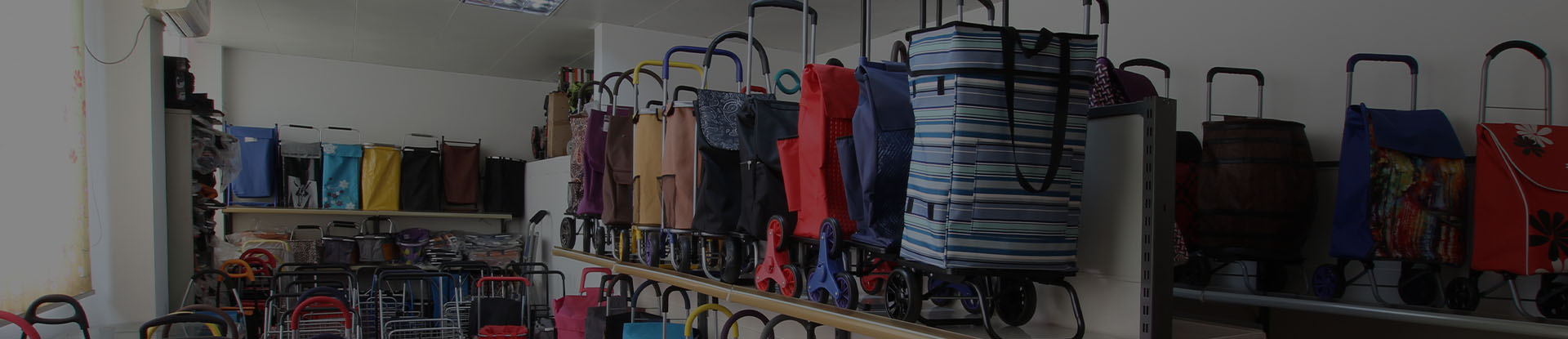
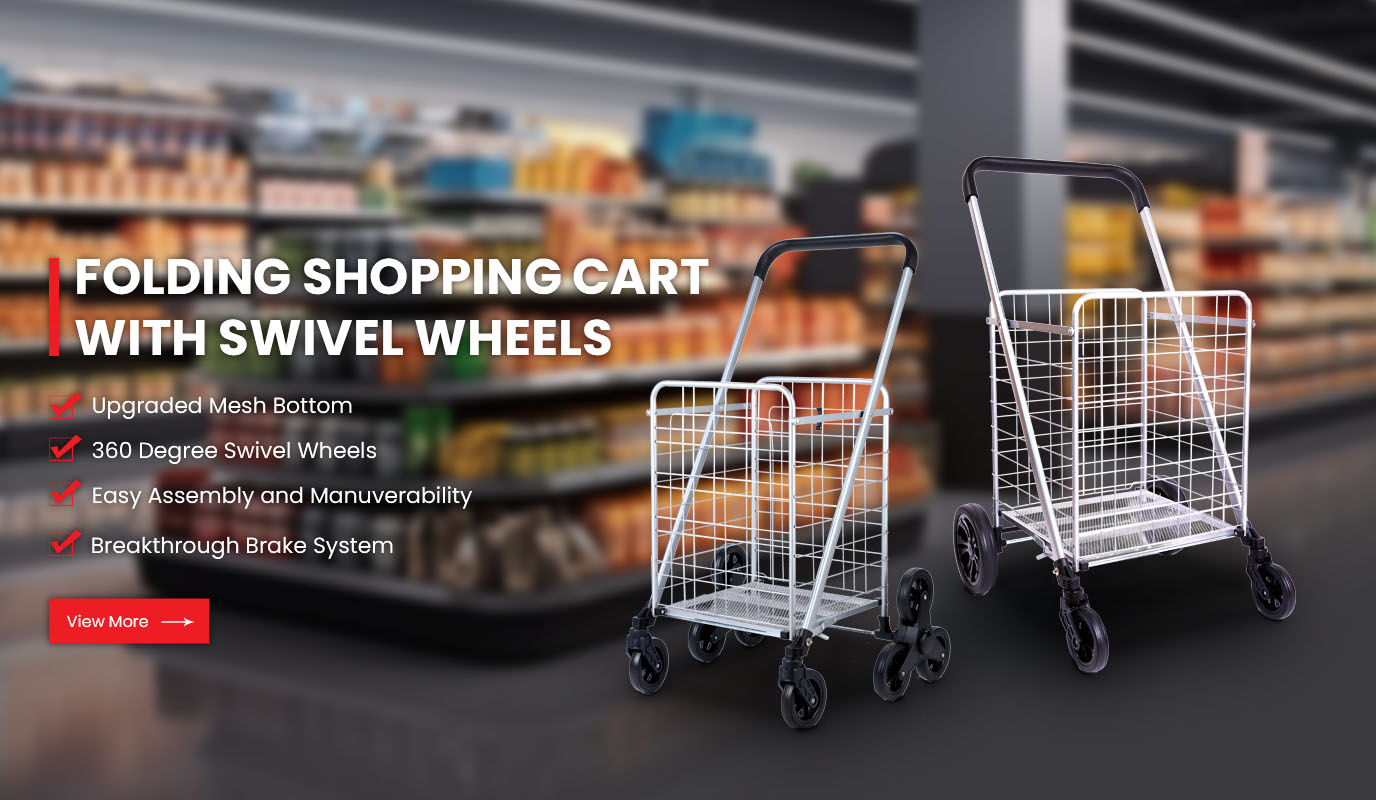
Foldable Shopping Carts are widely used for grocery shopping, retail transport, household storage, and light logistics tasks. Because they are frequently exposed to dust, moisture, food residue, and outdoor conditions, regular cleaning and proper maintenance are essential to keep them functional, safe, and durable over time. A well-maintained Foldable Shopping Cart not only looks cleaner but also operates more smoothly and lasts significantly longer.
As a manufacturer specializing in Foldable Shopping Carts and trolley solutions, WOCHANG designs products with practical structures, durable materials, and user-friendly folding mechanisms, making routine cleaning and maintenance easier for both individual users and commercial buyers.
Why Regular Cleaning And Maintenance Matter
Foldable Shopping Carts rely on moving parts such as hinges, wheels, and folding joints. Without proper care, dirt buildup and moisture can gradually affect performance.
Regular cleaning and maintenance help to:
Prevent wheel jamming and uneven rolling
Reduce corrosion on metal components
Maintain smooth folding and unfolding action
Extend overall service life
Keep the cart hygienic for daily use
For carts used in grocery transport or public environments, cleanliness is also important for user safety and appearance.
Understand The Materials Before Cleaning
Before cleaning a foldable shopping cart, it is important to understand its main materials.
Most foldable shopping carts include:
Metal frames for strength and load support
Fabric, plastic, or mesh baskets for storage
Rubber or plastic wheels for mobility
Mechanical joints and fasteners for folding
WOCHANG foldable shopping carts are designed with material combinations that balance durability and ease of maintenance, allowing effective cleaning without damaging structural integrity.
Step 1: Empty And Unfold The Cart Completely
Start by preparing the cart for cleaning.
Recommended steps:
Remove all items from the basket
Fully unfold the cart to access joints and corners
Place the cart on a flat, open surface
Cleaning is more effective when all surfaces and mechanisms are accessible.
Step 2: Remove Loose Dirt And Debris
Before using water, remove dry debris.
This can be done by:
Shaking the cart gently to remove loose dirt
Using a soft brush to clean corners and seams
Wiping away dust with a dry cloth
This step prevents dirt from spreading during wet cleaning.
Step 3: Clean The Basket Or Storage Area
The basket area usually accumulates the most residue.
Cleaning method depends on material type:
For fabric baskets, use mild detergent with warm water and a soft brush
For plastic or mesh baskets, wipe with soapy water and rinse lightly
Avoid soaking non-removable fabric for long periods
After cleaning, allow the basket to air-dry completely to prevent odor or mildew.
Step 4: Wipe Down The Frame And Folding Mechanism
The frame and folding joints are critical for smooth operation.
Proper cleaning includes:
Wiping metal tubes with a damp cloth
Removing grime around hinges and folding points
Drying immediately after wiping to avoid moisture buildup
WOCHANG designs folding structures with clear joint spacing, making it easier to clean without disassembly.
Step 5: Clean And Inspect The Wheels
Wheels are exposed to dirt, hair, and outdoor debris.
Maintenance steps include:
Removing hair or threads wrapped around wheel axles
Wiping wheels with damp cloth or soft brush
Checking wheel rotation for smooth movement
Clean wheels improve handling and reduce strain on the frame.
Step 6: Dry The Cart Thoroughly
Drying is as important as cleaning.
Recommended practices:
Wipe metal parts dry with a clean cloth
Leave the cart unfolded in a ventilated area
Avoid storing the cart while damp
Proper drying helps prevent corrosion and material degradation.
Step 7: Lubricate Moving Parts When Necessary
For carts used frequently, light lubrication can improve performance.
Focus on:
Folding joints
Wheel axles
Mechanical hinges
Use a small amount of appropriate lubricant and wipe away excess to avoid attracting dust.
Step 8: Inspect For Wear And Structural Issues
Routine maintenance should include visual inspection.
Check for:
Loose screws or fasteners
Bent frame sections
Worn wheels or damaged basket material
Folding parts that feel stiff or unstable
Early detection helps prevent larger failures and ensures continued safe use.
Proper Storage To Extend Lifespan
How a foldable shopping cart is stored affects its durability.
Best storage practices include:
Folding the cart fully when not in use
Storing in a dry, indoor environment
Avoiding heavy objects placed on top of the folded cart
Keeping away from direct sunlight for extended periods
WOCHANG foldable shopping carts are designed for compact storage, reducing space requirements and protecting the structure when stored correctly.
How Manufacturing Design Supports Easy Maintenance
Not all foldable shopping carts maintain equally well.
High-quality designs typically offer:
Smooth frame surfaces that resist dirt buildup
Reinforced joints for long-term folding stability
Replaceable or durable wheel components
Balanced structures that reduce uneven wear
WOCHANG focuses on structural consistency and practical material selection, allowing carts to maintain performance even with regular daily use.
Conclusion
Cleaning and maintaining a foldable shopping cart involves regular removal of dirt, gentle washing of the basket, careful wiping of the frame, wheel maintenance, proper drying, and periodic inspection of moving parts. These simple steps help preserve smooth operation, hygiene, and structural reliability.
Foldable shopping carts manufactured with durable frames, user-friendly folding mechanisms, and maintenance-conscious design—such as those produced by WOCHANG—are easier to care for and offer longer service life. With consistent cleaning and correct storage, a foldable shopping cart can remain reliable and functional for years of everyday use.