


Should You Buy A Cart With A Detachable Bag Or A Fixed Frame?
Understanding the Two Main Cart Types
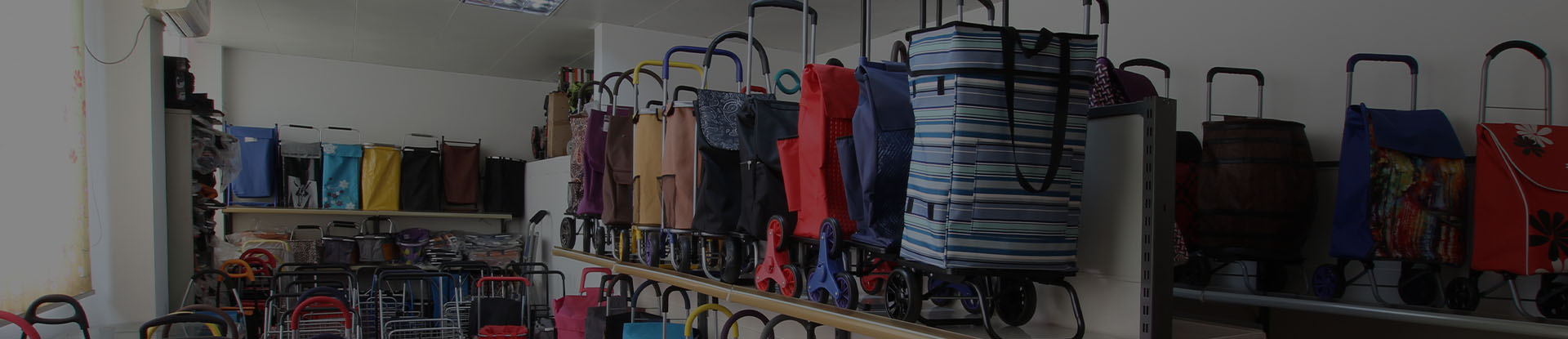
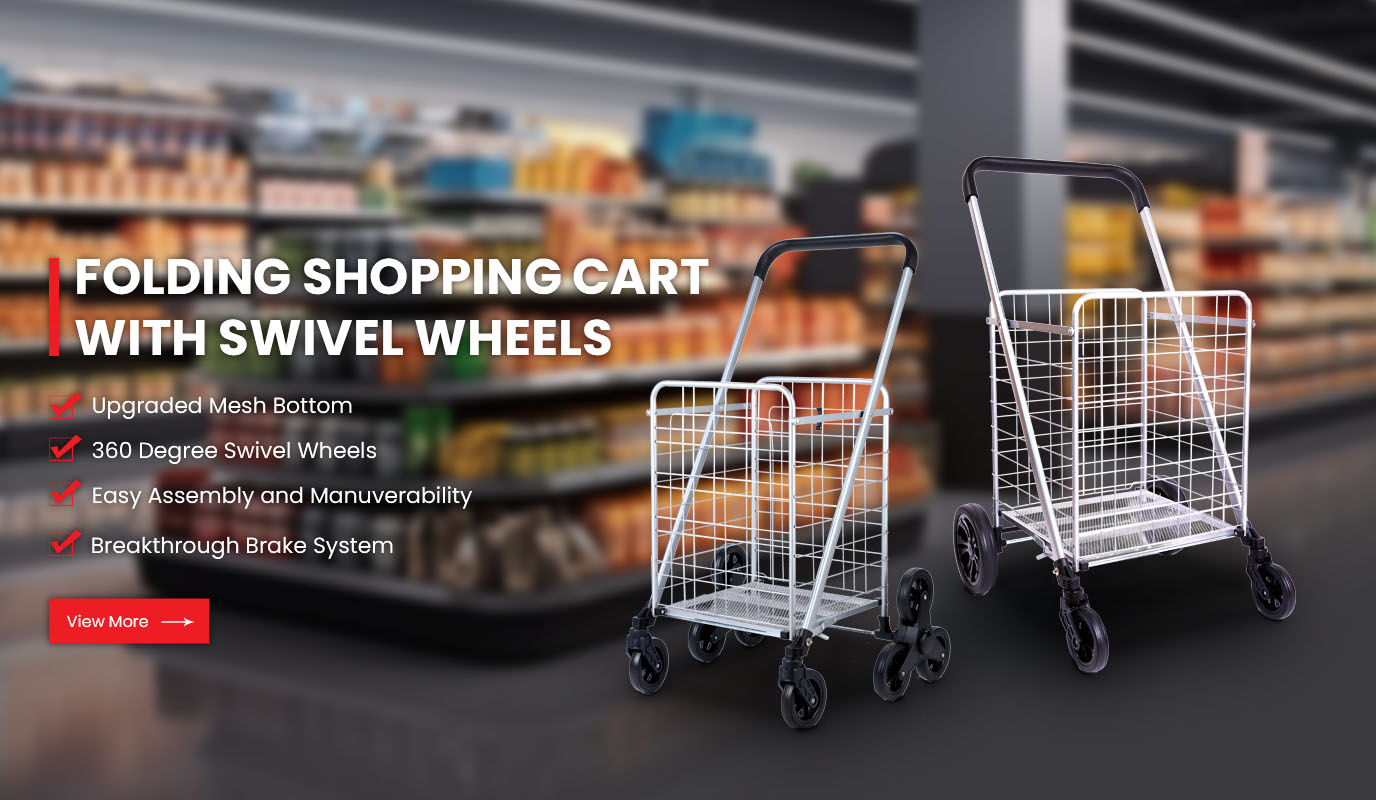
When selecting a shopping or utility cart, buyers typically face two main structural choices: a cart with a detachable bag or a cart with a fixed-frame basket/platform. Each type offers distinct advantages and trade-offs. Your choice should depend on how, where, and how often you plan to use the cart, as well as what you prioritize — portability and compact storage or strength and durability.
Advantages of a Cart With a Detachable Bag
Lightweight and Easy to Store
The bag portion can often be removed, folded, and stowed separately, making the cart compact and easy to carry when empty.
Ideal for people living in small apartments or with limited storage space.
Convenient for Everyday Shopping or Light Loads
Suitable for carrying lighter items — groceries, personal shopping, laundry, or small errands.
Bags can often be washed or replaced if they get dirty, which improves maintenance and hygiene.
Better Handling of Irregular or Loose Items
Soft bags adapt to oddly shaped or soft items (clothes, produce).
Easier to accommodate irregular volumes compared to rigid baskets.
Less Risk of Noise or Damage on Impact
The soft bag structure reduces rattling and protects items from scratches or dents.
For users concerned about noisy movement or surface contact (e.g. apartment floors), bag carts are quieter.
Disadvantages of Detachable-Bag Carts
Lower Load Capacity Compared With Fixed Frames
Bags — even reinforced ones — generally bear less weight and may deform under heavy load.
Less suitable for heavy groceries, bulk items, or crates.
Less Stability and Risk of Tipping
Soft sides may shift under load, affecting balance and stability when moving.
May tip more easily when loaded unevenly or heavily.
Shorter Lifespan Under Heavy Use
Fabric wears out faster than metal or plastic frames, especially under heavy or frequent loads.
Bags may tear or lose shape over time.
Advantages of a Cart With a Fixed Frame
Strong Load-Bearing Capacity and Stability
Rigid metal or plastic frames support heavier loads and resist deformation.
Better suited for bulk groceries, bottles, books, household items, or repeated heavy use.
Stable Movement and Better Load Distribution
Fixed base and structured sides distribute weight evenly, reducing tipping risk.
More reliable when navigating curbs, stairs, or uneven terrain.
Longer Durability and Less Maintenance
Metal or rigid plastic frames resist wear, rust, and deformation better than fabric.
Maintenance is simpler — frame doesn’t need regular washing and resists tears or wear.
Versatility for Various Uses
Useful beyond grocery shopping: luggage transport, storage, office move, warehouse logistics.
Durable enough for repeated heavy-duty tasks.
Disadvantages of Fixed-Frame Carts
Larger When Stored and Heavier to Carry Empty
Fixed-frame carts tend to be bulkier and heavier, making storage or transport less convenient.
May not fit in small car trunks or compact urban living spaces easily.
Potentially More Noise and Less Gentle Handling of Delicate Items
Hard surfaces may scratch or dent delicate items (e.g. glass bottles, ceramic containers, soft produce) if no padding is used.
Wheels and frame may cause noise on hard indoor floors.
Which Type Is Right — Based on Usage Scenarios
| Use Case / Shopper Type | Recommended Cart Type |
|---|---|
| Light grocery runs, small loads, urban apartments, frequent walking or public transport | Detachable-bag cart |
| Bulk grocery shopping, heavy loads, moving items, regular use, mixed cargo types | Fixed-frame cart |
| Mixed use: occasional heavy loads + occasional light shopping | Fixed-frame if prioritizing durability; bag-cart if portability matters more |
| Frequent market visits with irregular items (produce, soft goods) | Detachable-bag for flexibility; or fixed-frame + protective liners |
| Transporting heavy goods, crates, bottles, books, or tools | Fixed-frame cart |
Key Considerations Before Buying
What You Plan to Transport
Heavy or bulky items → fixed-frame; light/irregular items → bag-style.
How You Will Store the Cart
Limited storage space or small car trunks → bag/cart with detachable bag.
Frequency and Intensity of Use
Frequent heavy use → fixed-frame; occasional light use → bag-style is fine.
Durability and Maintenance Needs
Long-term, heavy-duty use → fixed-frame; minimal maintenance and ease of cleanup → detachable bag.
Conclusion
Neither a detachable-bag cart nor a fixed-frame cart is universally “better.” The right choice depends on your typical use, storage or transport constraints, and load requirements.
If your priority is lightweight convenience, easy storage, and flexibility, a detachable-bag cart works well.
If you prioritize strength, load capacity, stability, and long-term durability, a fixed-frame cart is the safer and more robust choice.