


What Are The Most Common Materials Used in Foldable Shopping Carts?
Foldable Shopping Carts have become a preferred choice for both households and businesses thanks to their convenience, portability, and space-saving design. However, the materials used in manufacturing determine a cart’s durability, weight, and long-term performance. Choosing the right material affects not only strength and corrosion resistance but also comfort, handling, and sustainability.
As a professional manufacturer, WOCHANG uses carefully selected materials to ensure every foldable cart delivers stability, strength, and smooth mobility. Below is an overview of the most common materials used in modern Foldable Shopping Carts and their specific advantages.
1. Steel
Steel remains the most widely used material in foldable and traditional shopping carts because of its exceptional strength and load-bearing capacity.
Advantages:
High structural rigidity and excellent weight support.
Resistant to bending and deformation even under heavy loads.
Ideal for industrial and commercial environments with frequent use.
Surface Treatment:
Steel frames are typically galvanized or powder-coated to protect against rust, scratches, and wear.Applications:
Common in supermarket carts, warehouse trolleys, and outdoor models where stability is critical.
Although heavier than aluminum, steel provides unmatched durability for long-term performance.
2. Aluminum Alloy
Aluminum alloy is another popular material for foldable carts, especially where lightweight design and corrosion resistance are priorities.
Advantages:
Extremely light yet strong enough for moderate loads.
Naturally resistant to rust, making it ideal for humid or coastal regions.
Easy to fold, carry, and transport due to reduced overall weight.
Applications:
Used in home, office, or light commercial carts that require frequent movement or compact storage.
WOCHANG uses precision-engineered aluminum alloys in selected foldable models to achieve the perfect balance between strength and portability.
3. Stainless Steel
Stainless steel combines the strength of carbon steel with superior resistance to corrosion and chemical exposure.
Advantages:
High tensile strength with long service life.
Excellent resistance to rust, oxidation, and moisture.
Easy to clean, maintaining a polished and professional appearance.
Applications:
Preferred for medical, catering, and retail environments where hygiene and appearance are essential.
While slightly more expensive, stainless steel carts offer outstanding performance for demanding industries.
4. Plastic Components (PP or HDPE)
Although the main frame is usually metal, many foldable carts incorporate plastic components such as handles, baskets, or corner guards.
Materials Used:
Polypropylene (PP): Lightweight, durable, and impact-resistant.
High-Density Polyethylene (HDPE): Offers flexibility and weather resistance.
Advantages:
Reduces total weight and manufacturing cost.
Provides comfort, noise reduction, and better grip for users.
Available in multiple colors for design flexibility.
Applications:
Common in home-use foldable carts and ergonomic handle designs.
Plastic elements enhance usability without compromising structural strength.
5. Rubber and Polyurethane Wheels
The wheels are among the most critical parts of a Foldable Shopping Cart, and their material directly affects movement and noise control.
Rubber Wheels:
Provide excellent traction, cushioning, and silent operation. Ideal for indoor use on smooth floors.Polyurethane (PU) Wheels:
Offer higher durability, better resistance to abrasion, and smoother rolling over uneven surfaces.
WOCHANG’s foldable carts use precision bearings combined with high-quality rubber or PU wheels to ensure effortless, stable mobility across different terrains.
6. Fabric or Mesh Baskets
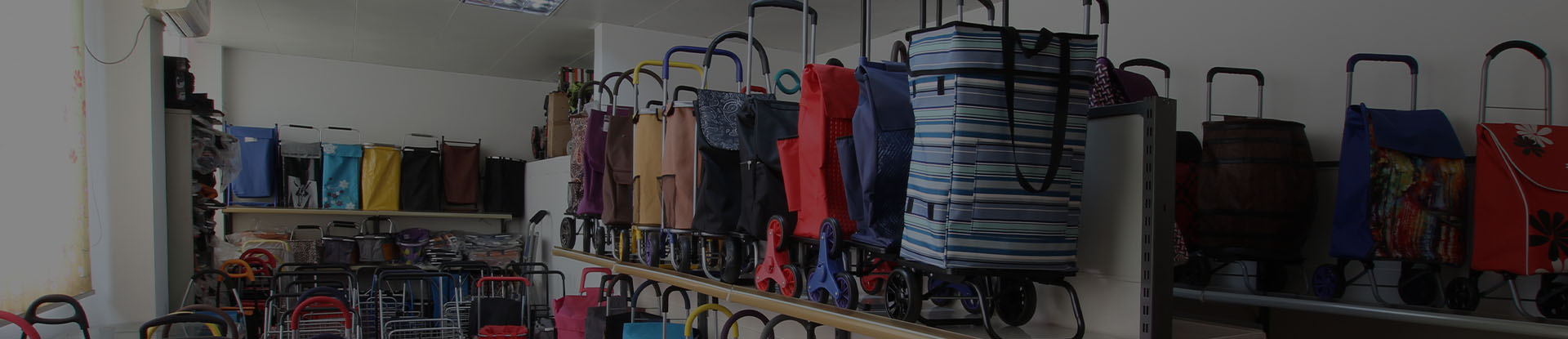
Some foldable carts designed for personal or household use feature fabric baskets or mesh inserts instead of metal baskets.
Common Materials:
Oxford fabric for flexibility and tear resistance.
Polyester mesh for ventilation and easy cleaning.
Advantages:
Lightweight and collapsible for quick storage.
Washable and replaceable when worn.
Applications:
Ideal for compact indoor carts and lightweight grocery carriers.
This design is particularly favored in urban homes where portability and cleanliness are key.
7. Fasteners and Joints
The hidden heroes of any foldable cart are the fasteners, rivets, and joints that enable smooth folding and unfolding.
Materials: Usually made from stainless steel or zinc-plated alloy to resist rust and wear.
Function: Provide strength and flexibility for repetitive folding cycles.
Importance: High-quality joints ensure safe locking and prevent accidental collapse during use.
At WOCHANG, all fasteners are tested for endurance to guarantee reliability throughout the cart’s lifespan.
Conclusion
The most common materials used in Foldable Shopping Carts include steel, aluminum alloy, stainless steel, plastic components, rubber or polyurethane wheels, fabric baskets, and metal fasteners. Each material serves a unique function—balancing strength, weight, durability, and comfort.
Through precise material selection and advanced surface treatment, WOCHANG ensures every foldable shopping cart combines long-lasting quality with user convenience. Whether for household errands or professional retail operations, WOCHANG carts deliver performance you can trust—strong, stable, and built to last.