



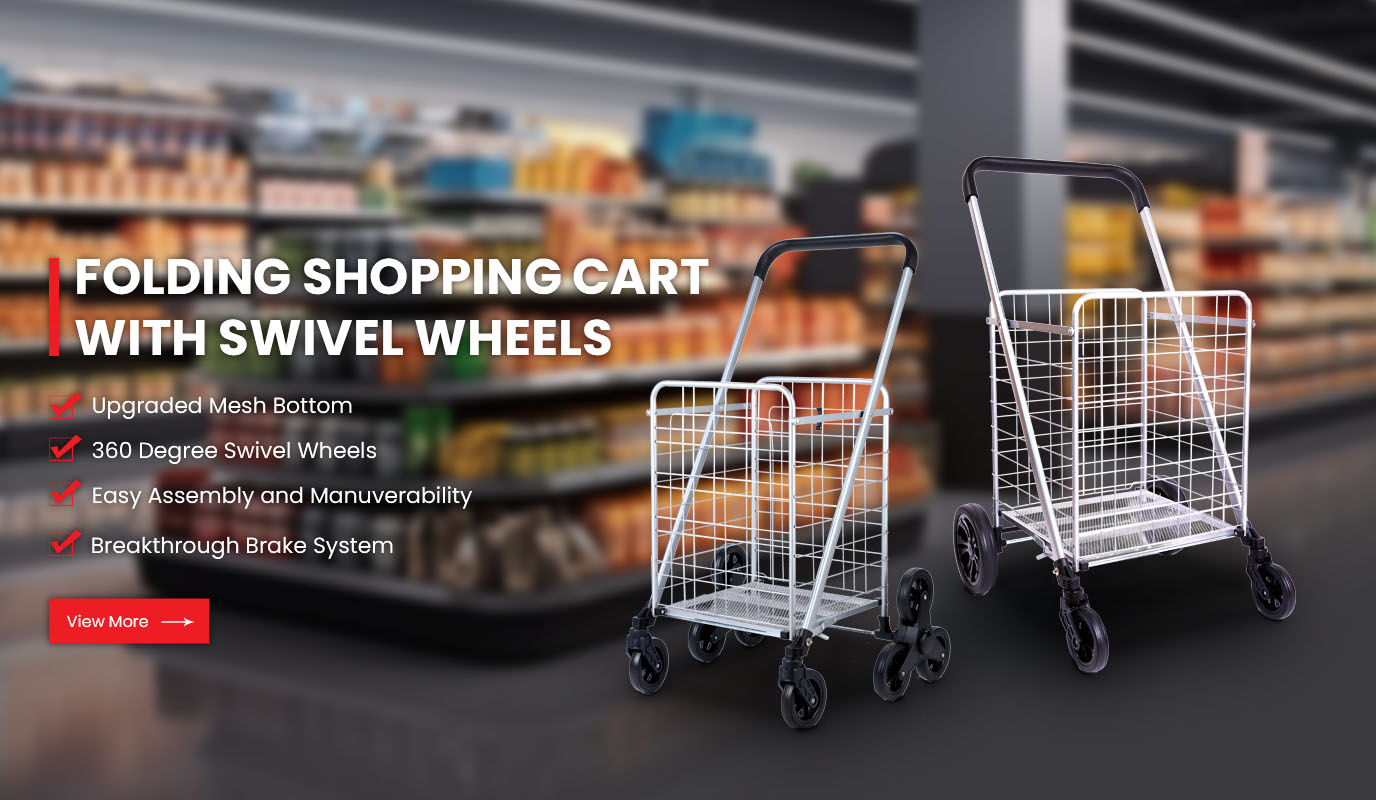
How Much Does A Metal Shopping Cart Weigh
Shopping Carts are an essential part of retail and logistics operations, and their weight plays an important role in both safety and usability. The total weight of a metal shopping cart depends on its size, capacity, and material composition. Understanding how much a cart weighs can help retailers plan transportation, storage, and floor layout efficiently.
As a professional manufacturer of durable carts, WOCHANG offers a variety of metal shopping carts designed for different commercial needs, combining lightweight structure with high load capacity.
1. Average Weight of a Metal Shopping Cart
The typical weight of a metal shopping cart ranges from 25 to 40 kilograms (55 to 88 pounds) depending on the model and design purpose.
| Type of Metal Shopping Cart | Approximate Weight | Capacity Range |
|---|---|---|
| Small supermarket cart | 25–28 kg | 80–100 L |
| Medium retail cart | 30–34 kg | 120–150 L |
| Large warehouse cart | 35–40 kg | 180–220 L |
| Heavy-duty industrial cart | 45 kg or more | 250+ L |
The difference in weight is determined by the frame thickness, basket size, wheel type, and any added accessories such as child seats or lower racks.
2. Materials That Influence Weight
Most commercial shopping carts are made from metal tubing or wire mesh. The two main materials used are steel and aluminum, each offering different performance characteristics.
Steel Carts
Steel is the most common material used for traditional supermarket carts. It provides exceptional strength and durability but is heavier than aluminum. Steel carts usually weigh between 30 and 40 kilograms and are coated with zinc or epoxy to prevent corrosion.Aluminum Carts
Aluminum models are significantly lighter, typically around 25 to 30 kilograms, while maintaining strong load-bearing performance. They are ideal for indoor use or facilities that require easier handling and reduced noise.
By selecting the appropriate material, businesses can balance strength, mobility, and longevity.
3. Factors Affecting Overall Cart Weight
Several design and component factors contribute to a cart’s total mass:
Frame Structure – Thicker tubing or reinforced corners increase stability but add weight.
Basket Volume – Larger baskets require more metal wire and structural support.
Wheel Size and Type – Heavy-duty casters with solid rubber or polyurethane treads are slightly heavier.
Additional Accessories – Child seats, plastic handles, bottom trays, and sign holders contribute a few extra kilograms.
Protective Coating – Zinc plating or powder coating layers, while thin, add marginal weight but extend lifespan.
Understanding these factors allows buyers to choose the right cart that fits both operational capacity and handling convenience.
4. Why Weight Matters in Retail Operations
The weight of a shopping cart directly affects safety, maneuverability, and cost efficiency:
Ease of Handling: Lightweight carts are easier for customers to push and for staff to collect from parking lots.
Durability: Heavier models are better suited for industrial or outdoor environments with uneven surfaces.
Storage and Transport: Knowing exact weights helps optimize shipping and stacking efficiency.
Safety: Proper balance between weight and stability prevents tipping, especially when the cart is loaded with heavy items.
Maintenance: Metal carts with stable wheel assemblies experience less vibration and longer lifespan.
Retailers typically prefer medium-weight carts for general supermarket use, achieving a balance between strength and user comfort.
5. WOCHANG’s Engineering for Balanced Weight and Strength
At WOCHANG, each metal shopping cart is engineered to deliver high load capacity with reduced structural mass. Our R&D team focuses on optimizing tube thickness and wheel performance while maintaining long-term durability.
Key features of WOCHANG’s metal carts include:
High-strength steel or aluminum alloys that ensure load stability.
Reinforced welds and corner joints to resist deformation under heavy loads.
Corrosion-resistant coatings suitable for indoor and outdoor conditions.
Smooth, quiet casters designed for easy maneuvering without compromising structure.
Balanced weight-to-capacity ratio that minimizes user effort while ensuring reliability.
This engineering precision makes WOCHANG carts ideal for supermarkets, warehouses, logistics centers, and self-service retail outlets.
6. Environmental and Logistical Considerations
A well-designed cart not only improves usability but also contributes to sustainability and logistics efficiency. Lightweight carts reduce transportation energy consumption, while durable metal structures extend product lifespan and lower replacement frequency.
WOCHANG follows sustainable manufacturing standards by using recyclable materials and efficient fabrication processes, ensuring that every cart combines strength, practicality, and environmental responsibility.
Conclusion
A typical metal shopping cart weighs between 25 and 40 kilograms, depending on its design, material, and size. Lighter aluminum models enhance mobility, while heavier steel carts offer superior strength for demanding applications.
By maintaining the right balance between weight and performance, WOCHANG provides shopping carts that deliver safety, durability, and efficiency for modern retail environments. Whether for supermarkets or warehouses, every WOCHANG cart is built to perform reliably and sustainably for years of continuous use.